Georgia Primary Turnout at 28.1% Sends Key Races to June Runoffs
Georgia’s primary saw 28.1% voter turnout, with over two million ballots cast, pushing Democratic LG and GOP Senate contests into June 16 runoffs.
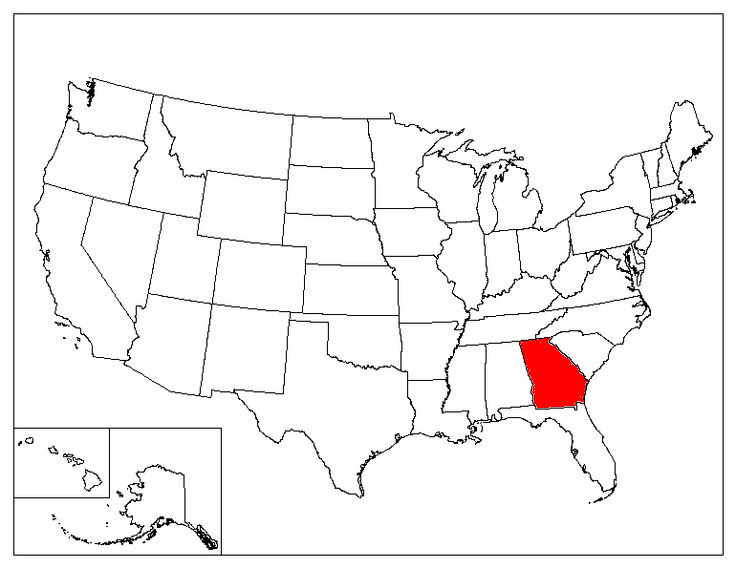
Georgia Location In The US
TL;DR
Georgia’s primary drew just over two million voters, a 28.1% turnout that set multiple races for June runoffs. The Democratic lieutenant governor and Republican US Senate contests now head to a June 16 showdown.
Context The Georgia Secretary of State released preliminary results showing 2,067,046 ballots cast out of 7,359,388 registered voters. While the numbers are not final until certified, they reflect a typical mid‑term primary participation level. Voters decided numerous statewide, congressional, and local races, many of which failed to produce a majority winner.
Key Facts In the Democratic lieutenant governor race, Josh McLaurin secured 41.4% of the vote and Nabilah Parkes earned 39.5%, sending both to a runoff. No other candidate surpassed the 15% threshold needed to avoid a second round. In the Republican US Senate primary, Mike Collins won 40.5% and Derek Dooley captured 30.2%, also advancing to a June 16 runoff. Earl "Buddy" Carter finished third with 25.1%, while the remaining contenders trailed far behind.
What It Means The modest turnout suggests that energized bases, rather than broad electorate enthusiasm, drove the results. Runoff elections often see lower participation, which could amplify the influence of party activists and early‑voting efforts. Candidates will need to consolidate support from those who backed eliminated contenders while appealing to unaffiliated voters. The outcomes also shape the broader narrative for November, as the lieutenant governor and Senate nominees will face Democratic opponents in the general election. Runoff performance may signal which candidates can expand their appeal beyond core partisans.
What to watch next Monitor voter turnout and campaign spending in the June 16 runoffs, as they will indicate which contenders can translate primary pluralities into general‑election viability.
Continue reading
More in this thread
Conversation
Reader notes
Loading comments...