Gaza Unemployment Soars to 80% as Workers Earn Under $27 Daily
Unemployment in Gaza reaches 80%, with most workers earning less than $27 a day amid widespread poverty and food insecurity.
TL;DR: Gaza’s jobless rate has risen to 80%, leaving over 250,000 people without work and most earn under $27 a day.
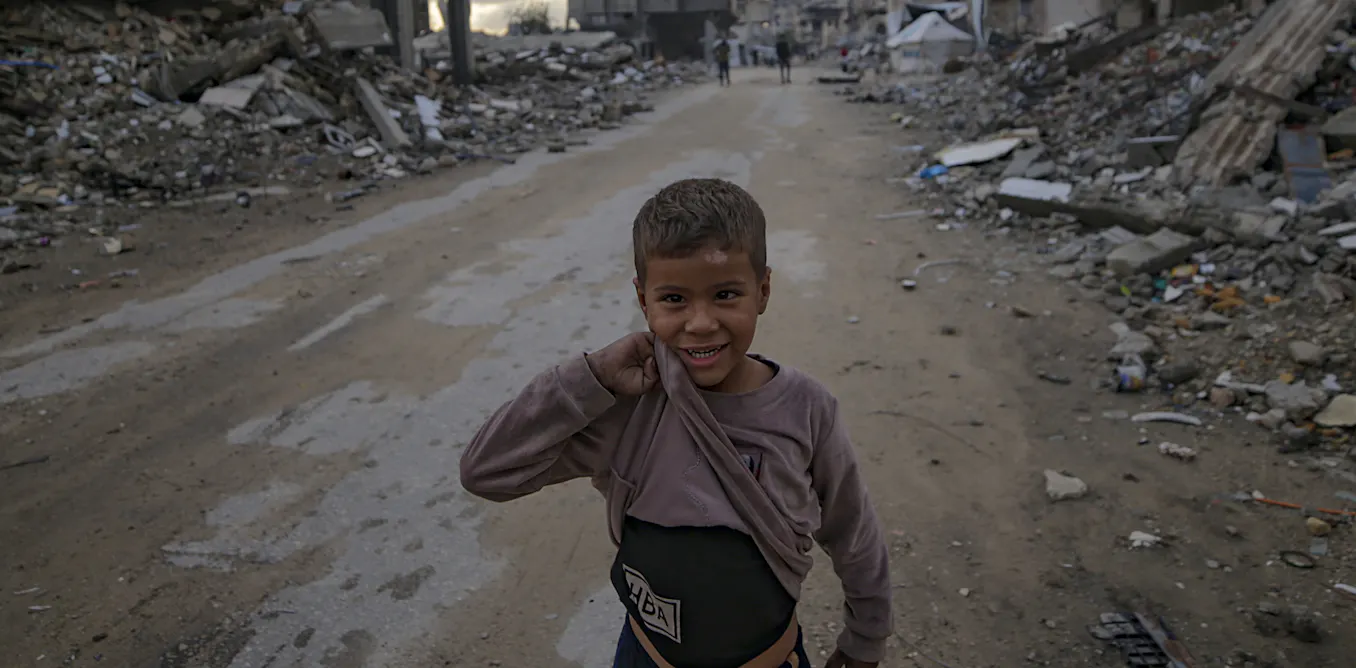
The Gaza labour market has collapsed since the war began in October 2023. International Workers’ Day fell on May 1, highlighting a crisis where the majority of the population struggles to meet basic needs.
The Ministry of Labour reports that unemployment now stands at 80 percent. More than 250,000 residents have lost their jobs, and poverty affects over 93 percent of the enclave. Acute food insecurity grips more than three‑quarters of households.
Ibrahim Abu al‑Eish, a 24‑year‑old accounting graduate, clears rubble for a local contractor. He works from dawn until dusk, often on unstable structures that have caused injuries to him and colleagues. Ibrahim says his daily wage never exceeds 80 shekels—about $27—and does not cover the basic needs of his family of nine living in a Jabalia displacement camp.
Other former entrepreneurs face similar hardship. Yousef al‑Rifi, once a bakery owner, now bakes in a makeshift roadside shop for 50 shekels ($17) a day. Inconsistent flour supplies and soaring prices make his income unreliable, forcing him to borrow money to feed his children.
The economic squeeze is compounded by restrictions on humanitarian agencies. Over 95 percent of Gaza’s residents now rely on aid, and the blockade limits the flow of goods and the reopening of crossing points. The ministry warns that without lifted restrictions, the enclave’s productive sectors cannot resume, deepening stagnation.
For the labour force, the only available work is hazardous and low‑paid. Workers trade safety for any income, while inflation erodes purchasing power. The combination of high unemployment, pervasive poverty, and food insecurity creates a feedback loop that threatens any chance of recovery.
What to watch next: International pressure on the blockade and the pace of aid deliveries will determine whether Gaza’s labour market can revive or remain trapped in a cycle of desperation.
Continue reading
More in this thread
Conversation
Reader notes
Loading comments...