From Solar to Charcoal: Cubans Forge Energy Workarounds as Grid Fails
Cubans rely on costly solar panels or cheap charcoal to cope with frequent blackouts, while the government aims for 15% renewable share by year-end.
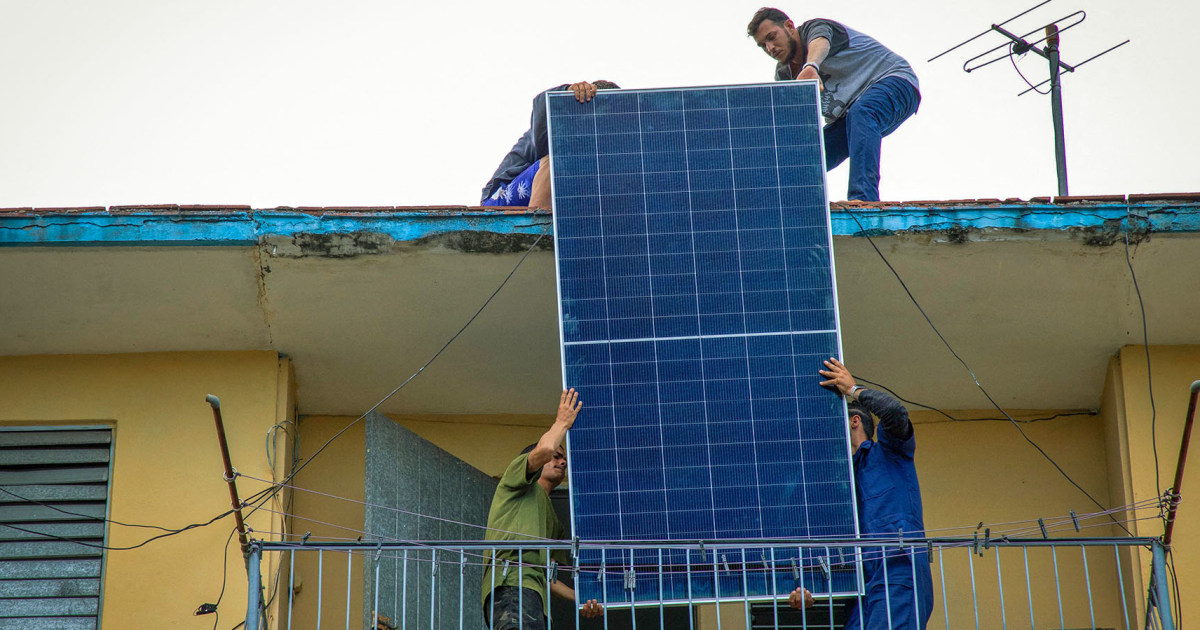
TL;DR: Cuba's unreliable grid pushes residents to adopt solar panels and charcoal for power and cooking. Government aims for 15% renewable share by year-end, up from 10% now.
Context
Havana resident Guillermo Sánchez opened his gym 13 years ago.
Frequent blackouts forced him to buy a gasoline generator in 2024, but fuel shortages made it unreliable.
He then invested almost $5,000 in a solar panel system with his family, allowing the gym to stay open during daylight outages.
Sánchez says the panels have let him keep a steady class schedule despite city-wide power cuts.
Key Facts
The solar installation cost nearly $5,000, a sum far above the average state salary of about $13 per month.
For many Cubans, that price is out of reach without overseas remittances or business income.
In contrast, a bag of charcoal costs roughly $1, making it a cheap but labor-intensive alternative for cooking.
Audiovisual producer Lisbet Reyes described how she switches to a charcoal grill when the grid fails, noting that a meal that normally takes 15 minutes can stretch to an hour.
Reyes also said the smoke fills her apartment, aggravating her respiratory condition and prompting antibiotic use, which is also scarce on the island.
Cuban officials project renewables will supply 15% of the country's energy demand by the end of this year, up from 10% currently and 3% in 2024.
What It Means
The divide between solar-equipped businesses and charcoal-reliant households highlights how income determines access to reliable backup power.
Solar systems provide silent, emission-free electricity but remain affordable mainly for those with supplemental income streams.
Charcoal, while inexpensive per bag, requires constant purchase and creates indoor air pollution that harms health, especially in poorly ventilated homes.
The government's renewable target seeks to cut dependence on fossil fuels, yet analysts doubt the aging infrastructure and limited financing can support a full transition by 2050.
Watch for upcoming reports on Cuba's solar park expansion and any policy shifts that could lower the cost of home solar systems or improve charcoal alternatives.
Continue reading
More in this thread
Unishire Urban Infra Files Nil Related Party Transaction Disclosure Amid 35.9% Stock Drop
Elena Voss
Airtel Africa Launches $110 Million Share Buyback After Profit More Than Doubles
Elena Voss
Republic National Distributing to Close Washington Facilities, Cut 267 Jobs
Elena Voss
Conversation
Reader notes
Loading comments...