From DIY Bionic Arm to Harvard Machine Learning Researcher: Benjamin Choi’s Path
Harvard senior Benjamin Choi turns a high‑school bionic arm project into a career in applied math and machine learning, graduating with dual degrees and industry plans.
TL;DR
Benjamin Choi built a mind‑controlled prosthetic in high school, leveraged linear‑algebra signal filtering, and is now graduating from Harvard with a dual applied‑math and computer‑science degree while heading into industry AI research.
Choi’s fascination with noisy brain activity began in Virginia, where he constructed a bionic arm that responded to his thoughts. The device required software capable of separating intentional commands from the brain’s constant background chatter. He later described the breakthrough: linear‑algebra techniques can isolate meaningful signals within high‑dimensional, noisy data.
At Harvard, Choi pursued a dual track—an undergraduate degree in applied mathematics and a master’s in computer science—positioning himself at the intersection of theory and implementation. The applied‑math curriculum, which he likens to the liberal arts of STEM, gave him breadth, while the computer‑science master’s added depth in algorithmic thinking and hardware considerations.
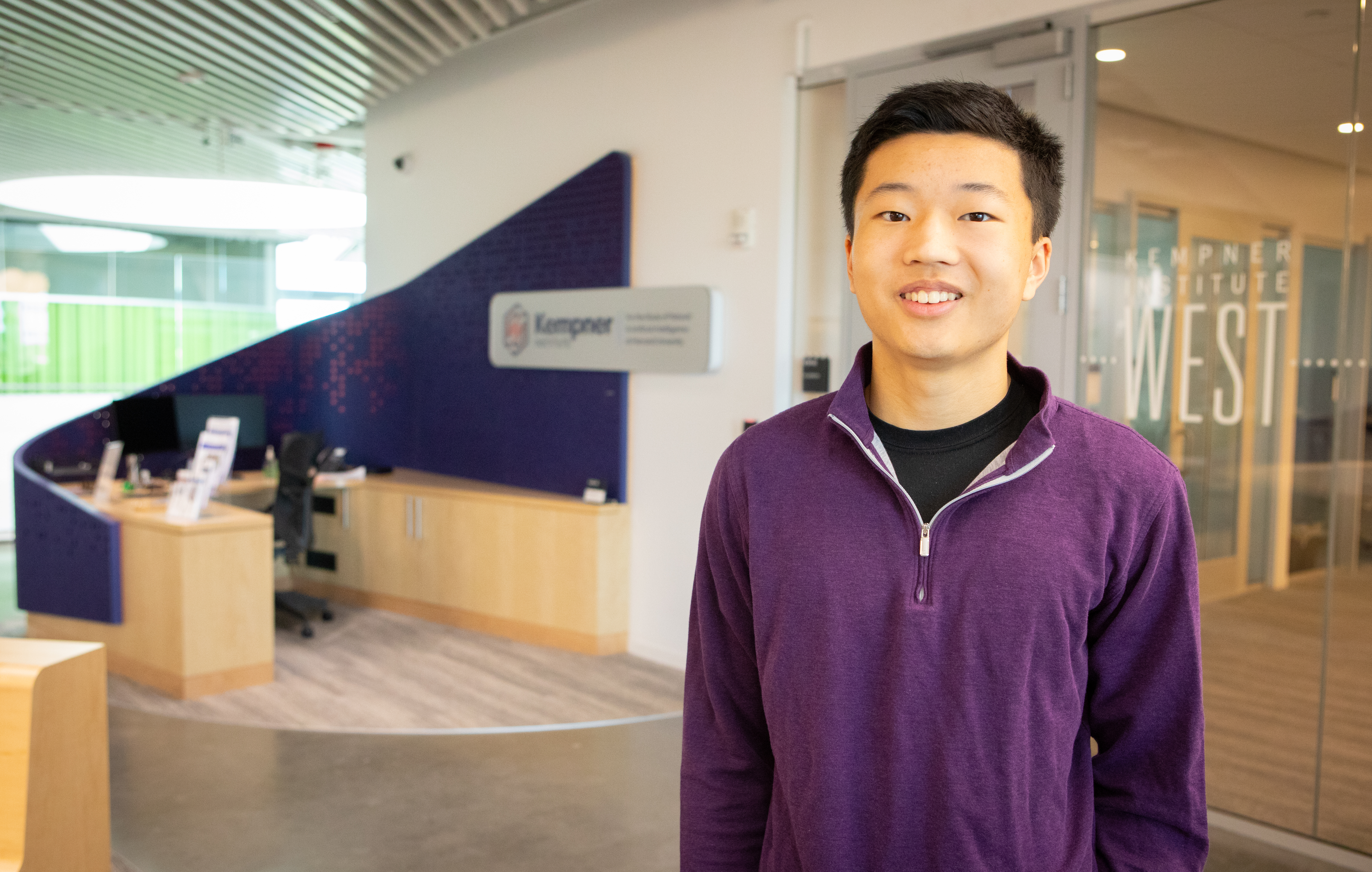
A pivotal moment arrived when Choi joined the inaugural Kempner Undergraduate Research Experience as a junior. Under Professor Demba Ba, he applied chatbot‑style AI models to clean gaps in brainwave recordings, directly extending the signal‑processing challenges he faced with his prosthetic. The project aligned with Kempner Institute’s goal of finding parallels between artificial and natural intelligence.
Coursework also shaped his trajectory. In ‘Geometric Methods for Machine Learning,’ taught by Melanie Weber, Choi explored how geometric frameworks underpin modern AI. He later contributed to Weber’s Geometric Machine Learning Group and authored a senior thesis comparing large‑language‑model data mappings to human emotional structures.
Beyond campus, Choi’s research spanned Johns Hopkins University and NASA, where he refined the signal‑processing algorithms first tested on his arm. Publications from his master’s work demonstrate a focus on adaptable problem‑solving strategies that survive shifts in programming languages and AI models.
What it means: Choi’s journey illustrates how early hands‑on engineering can seed advanced academic research, especially when combined with interdisciplinary study. His ability to translate noisy neural data into actionable commands positions him for a role as a machine‑learning researcher in industry, where real‑time signal interpretation is increasingly critical.
Watch for Choi’s upcoming contributions to commercial AI systems that integrate brain‑computer interfaces, a field poised for rapid growth as wearable neurotechnology matures.
Continue reading
More in this thread
Conversation
Reader notes
Loading comments...