French Open Heat Pushes Temperatures to 33°C, Triggers Cooling Breaks
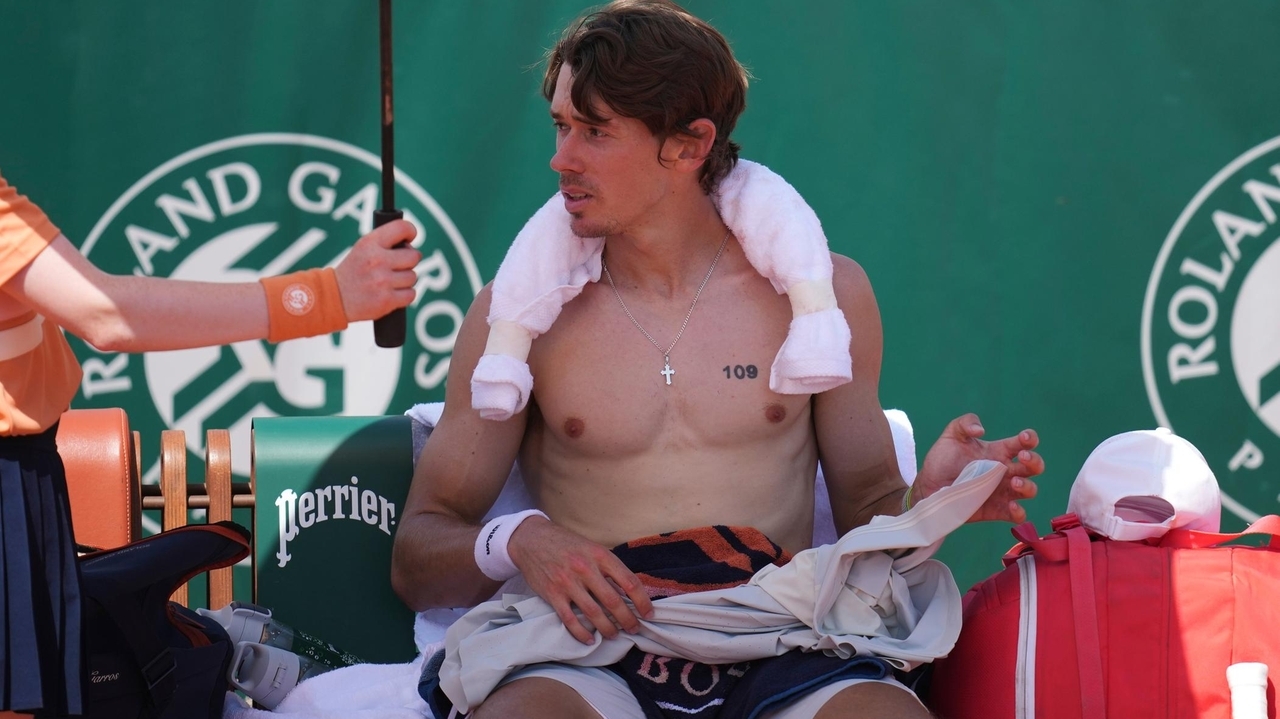
Temperatures at the French Open’s opening two days reached 33°C (91°F), triggering cooling breaks and altering play on the clay courts.
TL;DR
Temperatures at the French Open’s opening two days reached 33°C (91°F), far above the usual late‑May average, prompting 10‑minute cooling breaks and altering match play.
Context
Normally, late May in Paris sees highs around 20°C (68°F). This year’s early‑week heat rivals the July‑August conditions of the 2024 Olympics, though the Olympics were held later in the summer. Forecasts show the heat could persist through the first week, affecting players, fans, and the clay surface itself. Fans have sought relief under sprinklers, and court workers have turned hoses toward spectators seeking a cool spray. The extra water on the clay also contributes to a quicker, slicker surface, further accelerating ball speed.
Key Facts
When the Wet Bulb Globe Temperature (WBGT) – a measure that combines temperature, humidity, sun, wind and radiation – hits 30.1°C (86°F), tournament policy mandates 10‑minute cooling breaks between the second and third sets for women and between the third and fourth sets for men. At 32.2°C (90°F) WBGT, play is suspended, which would require roughly 38°C (100°F) air temperature. Iga Swiatek noted the heat feels different from Olympic conditions, saying the balls behave differently and she would not equate the two events. Several players reported needing ice bags, medical timeouts, and extra electrolytes; Gabriel Diallo retired mid‑match citing heat, while Andrey Rublev and Ignacio Buse both called for trainers during a lengthy encounter.
What It Means
The hotter air makes the clay play faster, reducing bounce and encouraging flatter, more aggressive shots. Players who favor big serves and forehands, such as Alex de Minaur and Alex Michelsen, have said the conditions suit their style, while others struggle with focus and endurance. If the heat remains, expect more frequent cooling breaks, potential schedule adjustments, and continued attention to how athletes manage hydration and recovery. Coaches are adjusting tactics, urging players to shorten points and rely more on serve‑volley exchanges to limit exposure on the court. Some athletes have altered their warm‑up routines, incorporating longer shade breaks and increased fluid intake before matches.
What to watch next: Whether the WBGT stays above the cooling‑break threshold for the remainder of the week and if any matches approach the suspension limit.
Continue reading
More in this thread
Russell Takes Pole at 2026 Canadian GP, Stroll Sent to Pit Lane
Marcus Cole
World Cup Shockwaves: Saudi Arabia Beats Argentina, Brazil Crumbles 7‑1, USA Upsets England
Marcus Cole
Malachi Moreno Withdraws from NBA Draft, Returns to Kentucky for Sophomore Season
Marcus Cole
Conversation
Reader notes
Loading comments...