French and American Cruise Passengers Test Positive for Hantavirus with 50% Fatality Rate
Two cruise ship passengers — one French, one American — tested positive for hantavirus; the Andes strain carries a up‑to‑50% fatality rate. Health officials urge early isolation and monitoring.
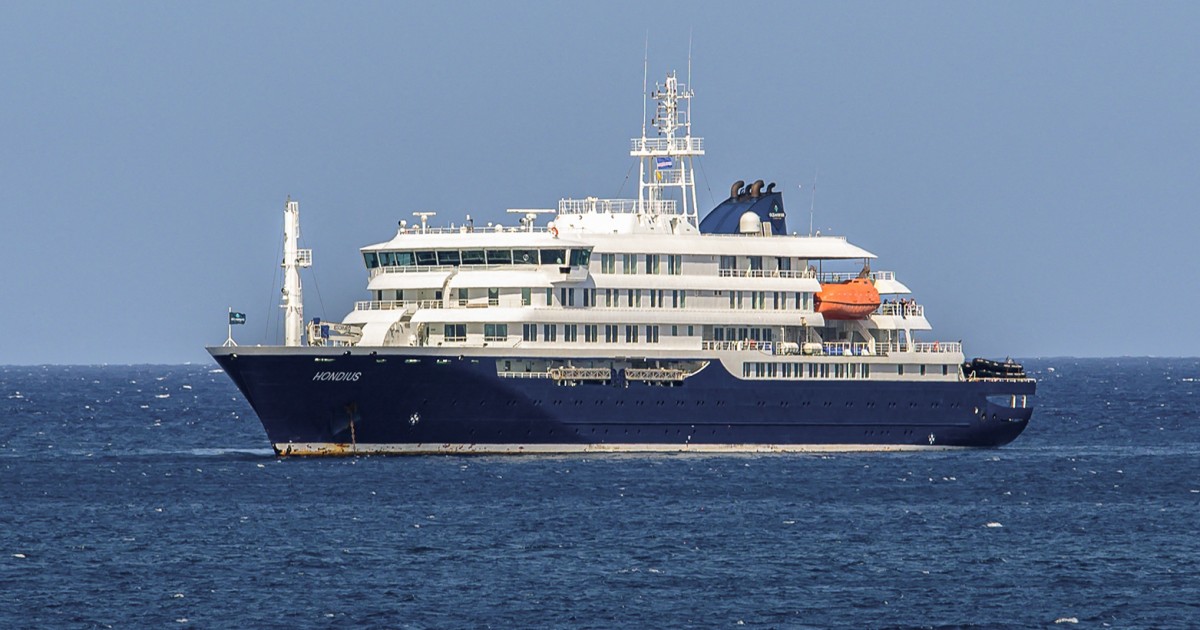
Two cruise ship passengers — one French, one American — tested positive for hantavirus, and the Andes strain involved carries a fatality rate of up to 50 %.
Health officials evacuated the luxury cruise ship MV Hondius after passengers fell ill with a rare rodent‑borne virus. Hantaviruses are usually spread by contact with rodent urine, droppings, or saliva, and can cause severe respiratory illness. Symptoms may appear one to eight weeks after exposure and include fever, headache, chills, gastrointestinal upset, and breathing difficulty.
A French woman and an American man were confirmed infected after being evacuated from the ship in the Canary Islands. French Health Minister Stephanie Rist said, "What is key is to act at the start and break the virus transmission chains," noting new isolation measures for contacts. So far, four other French passengers have tested negative and 22 close contacts are under observation.
The Andes strain of hantavirus identified in this outbreak has a fatality rate of 40–50 %, especially among older individuals. The World Health Organization has recorded nine total cases linked to the ship, with two confirmed deaths and one probable death; four people remain hospitalized, one in intensive care. WHO recommends a 42‑day quarantine for all repatriated passengers.
Current evidence comes from case reports and contact tracing, not from randomized controlled trials or cohort studies, so the association between the strain and high mortality is observational. Nevertheless, the data suggest a strong link between infection and severe outcomes in vulnerable groups.
Practical takeaways: avoid rodent habitats when traveling, seek medical care promptly if fever or respiratory symptoms develop after potential exposure, and follow public‑health guidance on isolation and monitoring.
Watch for updates on the WHO’s 42‑day quarantine compliance and any further cases among repatriated passengers.
Continue reading
More in this thread
Medicaid Cuts in Kentucky Threaten Mental‑Health Access for Thousands
Dr. Priya Sharma
UK NSC Opens Consultation on AI Grading for Diabetic Eye Screening, Deadline Aug 2026
Dr. Priya Sharma
Sedivention Secures €2.9 Million Seed Funding for Cryo‑Based Obesity Treatment
Dr. Priya Sharma
Conversation
Reader notes
Loading comments...