French and American evacuees test positive for hantavirus
A French woman and an American passenger test positive for hantavirus after cruise‑ship evacuation; over 100 people moved in under 48 hours.
TL;DR
A French woman and an American passenger evacuated from a cruise ship have tested positive for hantavirus, with the French case worsening and the American carrying the only human‑transmissible strain. Over 100 evacuees of 23 nationalities were moved off the ship in under 48 hours.
Context
Hantaviruses are a family of viruses that normally infect rodents and can cause severe lung or kidney disease in humans when inhaled through aerosolized urine, droppings, or saliva. The Andes strain, found in parts of South America, is the sole hantavirus documented to spread from person to person; this conclusion comes from observational cohort studies that followed about 150 confirmed cases in Argentina and Chile. There is no vaccine or specific antiviral therapy; treatment is supportive and focuses on oxygen therapy and fluid management.
Key Facts
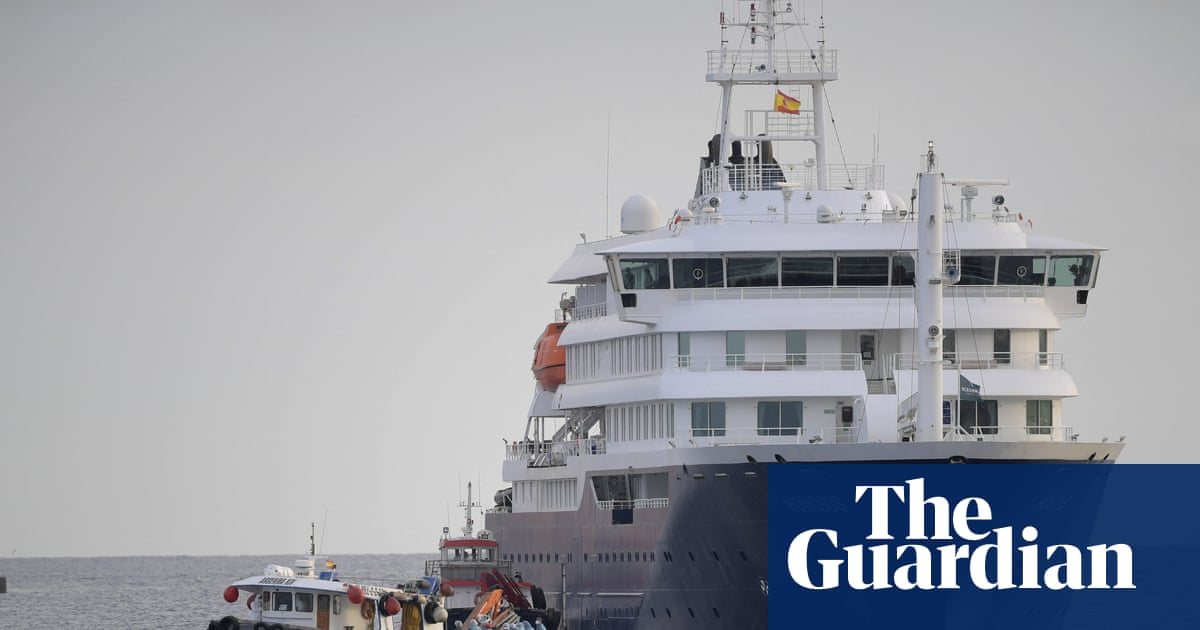
French health minister Stéphanie Rist said the infected French woman’s symptoms worsened overnight and she is now in serious condition, receiving care in a specialised infectious‑diseases unit in Paris. US health officials reported that an evacuated American tested positive for the Andes strain of hantavirus, while a second evacuee exhibited only mild symptoms. Spanish authorities noted that more than 100 people representing 23 nationalities were evacuated from the cruise ship in less than 48 hours, describing the operation as complex and unprecedented. The French woman was one of five French passengers who disembarked in Tenerife; she developed a fever during the evacuation flight but had a normal temperature when examined onboard the vessel. Three other passengers — a Dutch couple and a German woman — have died, and several others have fallen ill with the disease.
What It Means
Although the Andes strain can transmit between humans, such events remain rare and the overall risk to the general public is considered low by health agencies. In response, authorities have imposed a 42‑day quarantine with active follow‑up, including daily temperature checks and symptom questionnaires, to break any possible chains of transmission. The World Health Organization recommends this approach, noting that early detection of fever, muscle aches, or shortness of breath improves outcomes. Practical steps for anyone who may have been exposed are to seek medical care promptly if symptoms appear and to comply with isolation instructions issued by public‑health teams.
French officials have identified 22 French nationals who had potential contact with the virus, including travelers on recent flights between Saint Helena, Johannesburg, and Amsterdam, and are monitoring them closely. The ongoing repatriation effort continues to move remaining passengers and crew to the Netherlands, with the vessel set to depart after the evacuations are complete.
Health officials will continue daily surveillance of all contacts for the next 42 days and will report any new infections or signs of onward spread. Watch for updates from national health ministries and the WHO regarding any changes in case numbers or travel advisories.
Continue reading
More in this thread
Conversation
Reader notes
Loading comments...