France Becomes First Developed Nation to Publish Fossil‑Fuel Phase‑out Roadmap
France releases a national plan to end fossil fuel use, joining a 59‑nation coalition that represents over half of global GDP and a third of energy demand.
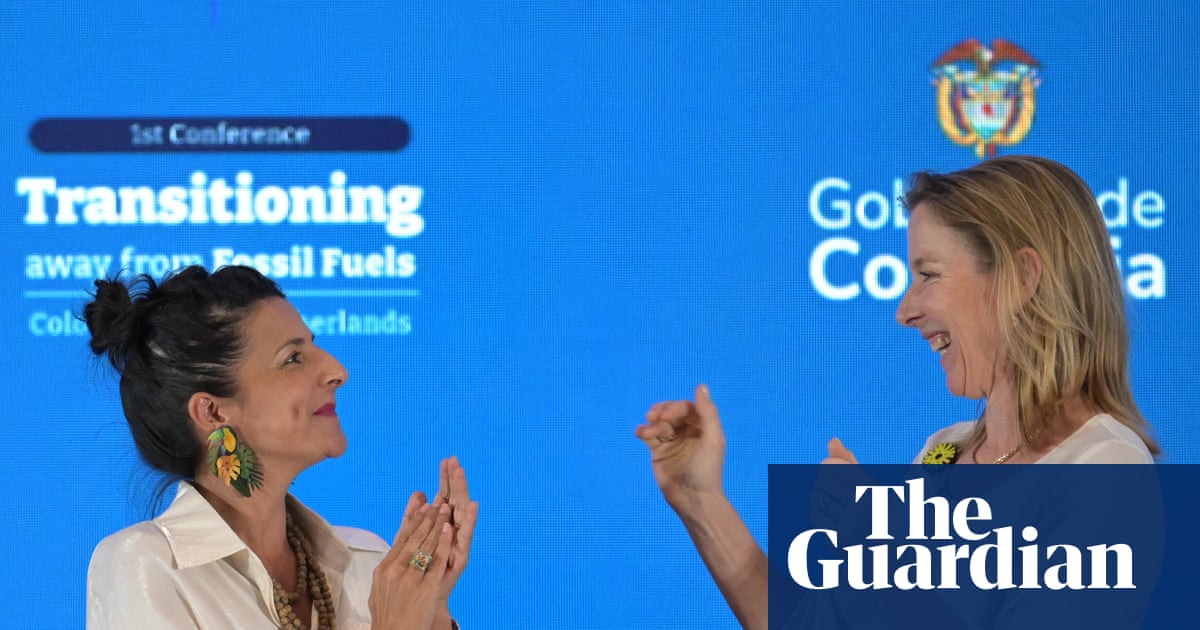
*TL;DR: France released the first roadmap from a developed country to phase out coal, oil and gas, joining a coalition of 59 nations that account for more than 50% of world GDP.
Context A two‑day summit in Santa Marta, Colombia, gathered 59 governments willing to map a transition away from fossil fuels. The group, described as a “coalition of the willing,” covers roughly one‑third of global energy demand and 20% of the world’s fossil‑fuel supply. Participants aim to create voluntary national plans that go beyond the Paris‑agreement climate pledges, which focus only on domestic emissions.
Key Facts - France announced it is the first developed country to publish a detailed national roadmap for ending fossil‑fuel production and use. The plan outlines sector‑by‑sector targets, timelines for closing coal mines, and a schedule for halting new oil and gas licences. - The coalition’s 59 members together represent over half of global gross domestic product, about 33% of worldwide energy consumption, and 20% of total fossil‑fuel output. - Colombia’s environment minister, Irene Vélez Torres, stressed that the transition must move from rhetoric to a concrete, political and collective effort. She warned that future generations will judge whether the world rose to the challenge. - The roadmap framework is voluntary; no uniform structure or deadline is imposed. Countries will receive technical support, scrutiny of fossil‑fuel subsidies, and assistance with trade and debt reforms. - A scientific advisory panel, set up by Colombia, will help nations develop their plans. The next summit is scheduled for early next year on Tuvalu, where officials will encourage submission of draft roadmaps before the meeting.
What It Means France’s move signals that wealthy, industrialised economies can set a precedent for systematic fossil‑fuel withdrawal. By publishing a concrete schedule, France provides a template for other developed nations that have so far avoided detailed phase‑out commitments. The broader coalition, while lacking enforcement mechanisms, creates a peer‑pressure network that could accelerate policy adoption across diverse economies. If the roadmap approach gains traction, it may reshape the climate negotiation landscape ahead of the COP31 summit in November, where nations will be expected to align voluntary plans with global emission‑reduction goals.
Looking Ahead Watch for the first wave of submitted roadmaps from other developed countries and for how the Tuvalu summit translates these voluntary plans into actionable finance and trade reforms.
Continue reading
More in this thread
Renewables Overtake Coal as Leading Global Power Source in 2025
Dr. Leo Tanaka
Solar and Wind Power Account for 99% of 2025 Electricity Growth, Coal Drops Below One‑Third
Dr. Leo Tanaka
Ukraine's Triple Drone Strike on Tuapse Refinery Triggers Toxic Black Rain and Ecological Crisis
Dr. Leo Tanaka
Conversation
Reader notes
Loading comments...