Framework Laptop 13 Pro Adds Touchscreen, Panther Lake Chip, and $1,199 DIY Price
Framework’s new Laptop 13 Pro adds a touchscreen, Intel Panther Lake chips, and a $1,199 DIY starting price. It weighs 1.4 kg, offers a larger battery, and keeps modular compatibility.
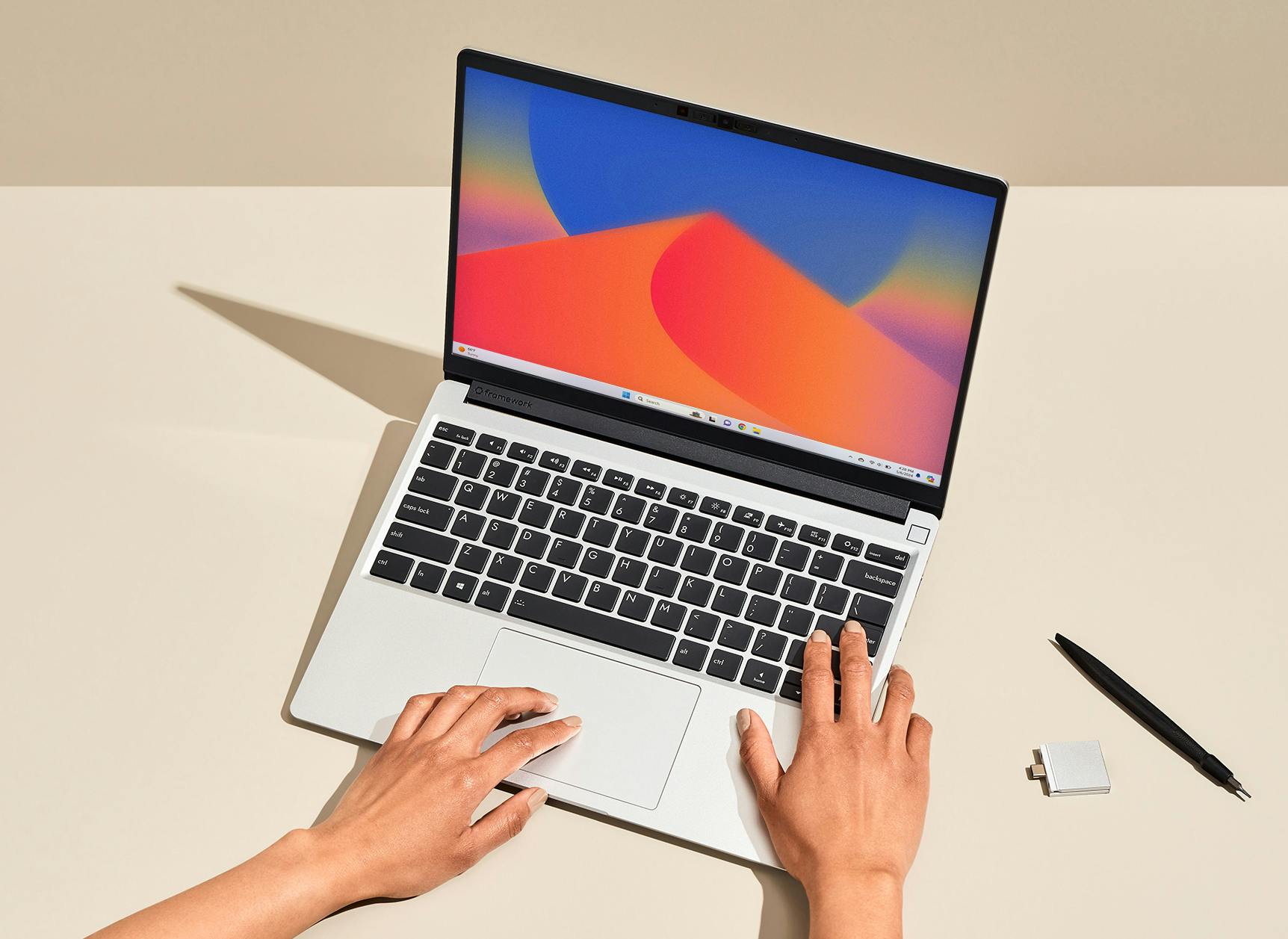
TL;DR: Framework launches the Laptop 13 Pro, its first model with a touchscreen and Intel’s Panther Lake chips, starting at $1,199 for a DIY kit.
Context
Framework has sold its modular Laptop 13 for five years, releasing six main system‑board revisions and experimenting with a RISC‑V version. Over that time the chassis has seen higher‑resolution screens, a larger battery, and finer details, but the core layout stayed the same. The new Pro model breaks that pattern with a ground‑up redesign while keeping some parts interchangeable.
Key Facts
The DIY version of the Laptop 13 Pro costs $1,199 and ships with an Intel Core Ultra 5 325 processor, but no RAM, SSD, or operating system. It weighs 1.4 kg, which is a bit more than the original 1.3 kg Laptop 13 and less than the 1.55 kg 14‑inch M5 MacBook Pro. The laptop is the first Framework device to include a touchscreen and runs on Intel’s Core Ultra Series 3 (Panther Lake) chips. Framework also offers a prebuilt Ubuntu model at $1,499 and a Windows 11 option that adds $100. Higher‑end DIY kits start at $1,599 for the Core Ultra X7 358H and $1,799 for a limited Core Ultra X9 388H. The Pro features a 13.5‑inch 2256×1504 display with a 3:2 aspect ratio, available in matte or glossy finishes. A new black aluminum color option joins the existing silver, and Framework increased the battery capacity to 61 Wh. These changes improve brightness and runtime while preserving the modular design philosophy.
What It Means
By adding a touchscreen and a newer processor line, Framework targets users who want modern features without sacrificing its repair‑first ethos. The retained compatibility of displays and motherboards lets existing owners upgrade to the Pro board and gain the larger battery and screen while keeping their old chassis. The weight increase is modest, keeping the device competitive with ultraportables from Apple and others. The pricing positions the Pro as a premium but still accessible option in the DIY laptop market. Because the motherboard and display remain swappable, users can mix older boards with the Pro chassis or vice‑versa, extending the lifespan of their investment. This approach may attract both enthusiasts who value upgradability and professionals who need a reliable, lightweight workstation.
What to Watch Next
Watch for user feedback on the touchscreen experience and whether the new Panther Lake chips deliver the promised battery life and performance gains in real‑world use. Also monitor how quickly third‑party vendors begin offering compatible RAM and SSD upgrades tailored to the Pro’s specifications. Finally, see if Framework expands the Pro line to other screen sizes or introduces additional color variants based on early demand.
Continue reading
More in this thread
NASA’s Moon Spacesuit Plan Hangs on Single Contractor After Collins Drops Out
Alex Mercer
Framework Launches Ubuntu‑Certified Laptop 13 Pro, Dubbed 'MacBook Pro for Linux Users'
Alex Mercer
Microsoft Cuts Game Pass Prices by Over 20% While Removing Day‑One Call of Duty Access
Alex Mercer
Conversation
Reader notes
Loading comments...