Former World Bank chief urges China to release food and fertilizer stockpiles
Former World Bank president David Malpass calls on China to stop hoarding food and fertilizer and release reserves to ease global shortages amid Iran‑related shipping disruptions.
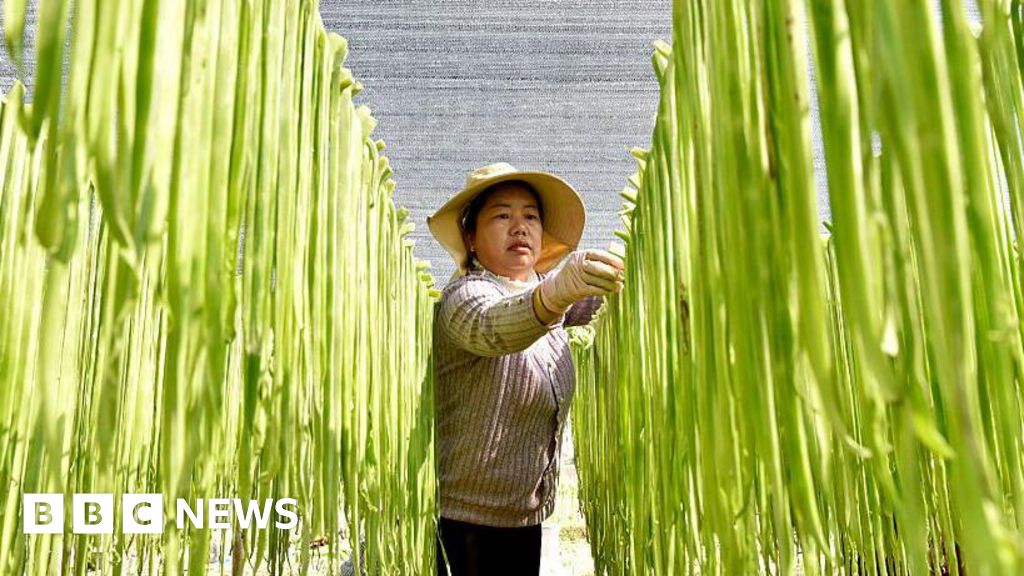
A farmer is drying Gong Cai strips, a vegetable of the lettuce family, in the fields on March 5, 2026 in Dali Bai Autonomous Prefecture, Yunnan Province of China.
TL;DR
A former World Bank president urged China to stop adding to its massive food and fertilizer stockpiles and to release existing reserves to ease global shortages. He said the move would help stabilise markets disrupted by the Iran conflict and related shipping disruptions.
Context
David Malpass, who led the World Bank from 2019 to 2023, told the BBC that China holds the world’s largest inventories of food and fertilizer and could halt further accumulation. He spoke ahead of a planned Trump‑Xi summit, noting that Beijing’s export curbs on several fertilizer types since March have tightened global supplies ahead of spring planting. He also questioned China’s self‑description as a developing country, noting its status as the world’s second‑largest economy.
Key Facts
China produced roughly 25 % of the world’s fertilizer last year and exported more than $13 billion worth, underscoring its outsized role in the market. Despite those shipments, Beijing says it remains committed to keeping global food and fertilizer markets stable, according to a spokesperson for its embassy in Washington. Since March, China has suspended exports of certain fertilizer products, citing domestic supply protection, a move that has amplified concerns among importing nations.
What It Means
Releasing even a fraction of China’s reserves could ease price pressures on grains and crops that rely on fertilizer, potentially lowering costs for farmers worldwide. Such a release could also ease upward pressure on food prices, which have been rising amid tighter input costs. The next signal to watch is any official statement from Chinese authorities on stockpile levels or export quotas ahead of the summer planting season.
Continue reading
More in this thread
Conversation
Reader notes
Loading comments...