Former Vodafone franchisees blame commission cuts and fines for debt and mental‑health crisis
Ex‑Vodafone franchise owners allege a 40% commission cut and fines drove them into debt and suicidal thoughts, sparking a legal battle.
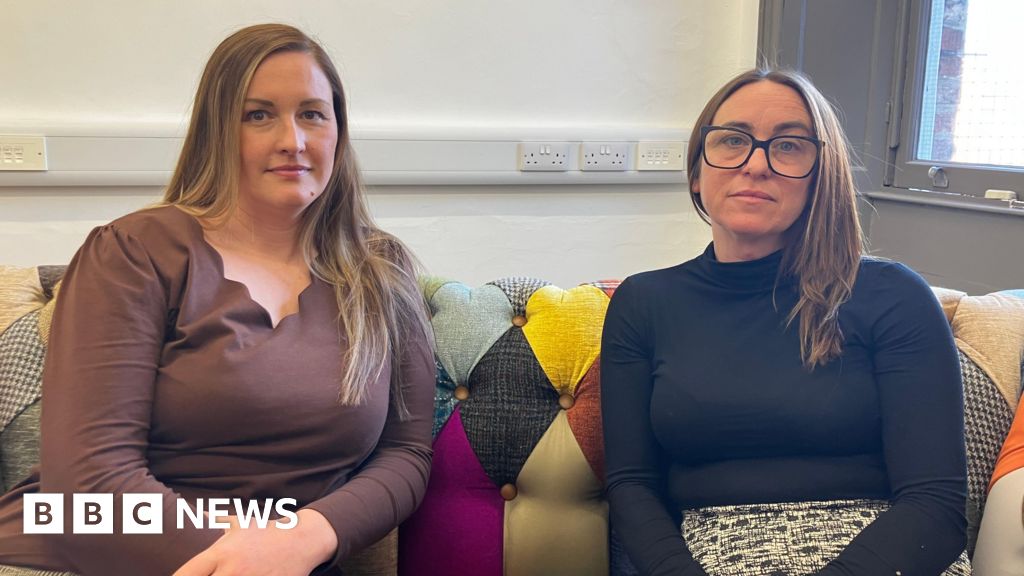
Two women sitting on a sofa and looking towards the camera. Donna, on the left, wears a brown v-neck top with a scalloped edge. Rachael, on the right, wears black glasses, and a black high-neck top and a black and white patterned skirt. The sofa has a colourful diamond pattern.
TL;DR: Two former Vodafone franchisees claim a 40% cut to upgrade commissions and a punitive fines system pushed them into tens of thousands of pounds of debt and suicidal despair.
Context In 2017 Vodafone offered store managers the chance to run their shops as independent franchisees. Donna Watton and Rachael Beddow Davison accepted, expecting to become entrepreneurs under the Vodafone brand. By 2022 both were suing, joining 60 other ex‑franchisees alleging that Vodafone’s policies became “irrational” and “arbitrary.”
Key Facts Vodafone reduced the commission paid on phone upgrades by roughly 40%, a drop the women describe as “nearly half.” The change came alongside a new fines regime that penalised staff behaviour and store performance. In March 2022 Beddow Davison was billed £3,260 after a team member was accused of being “abrupt” in a web‑chat with a customer. The women say such penalties cost them thousands of pounds.
Both managers were urged to open additional stores with no established customer base. Vodafone allegedly promised to cover any shortfall if a new store failed to earn £40,000 in its first year. The promise was not honoured, leaving Watton and Beddow Davison to shoulder rent, fit‑out costs and operating losses. Beddow Davison’s Gainsborough shop lost up to £10,000 a month, forcing her to invest personal savings to keep it afloat.
Faulty footfall counters—devices that estimate customer traffic—further distorted performance metrics. Vodafone says a third‑party provider owned the technology and investigated the complaints. Watton’s profitable Boston store was not renewed in October 2023, giving her only two months’ notice while she cared for a five‑month‑old baby and two step‑children.
The financial strain triggered severe mental‑health crises. Beddow Davison, a single parent of three, attempted suicide in November 2022, fearing she could not protect her children. Watton also reported suicidal thoughts after her contract termination. Both say Vodafone’s actions left them unable to afford holidays, days off, or basic family stability.
What It Means The case highlights the risk for large telecoms when shifting from corporate‑owned stores to franchise models. Commission cuts and punitive fines can quickly erode margins, especially when combined with unrealistic sales targets and unreliable performance data. If the court finds Vodafone’s policies unreasonable, the company could face compensation for debt, mental‑health impacts, and possibly tighter regulation of franchise agreements.
Watch for the court’s ruling later this year and any settlement offers that may set precedents for franchisee protections across the UK telecom sector.
Continue reading
More in this thread
Canada’s $200 B Clean‑Energy Opportunity Stalls on Approval Delays
Elena Voss
EU Commission Releases Draft Merger Guidelines with Innovation Shield, Opens Consultation Until June 26
Elena Voss
Texas Court Blocks FTC’s New HSR Form as States Fight HPE‑Juniper Deal
Elena Voss
Conversation
Reader notes
Loading comments...