Former Starmer Aide Calls Mandelson Ambassadorship a “Serious Mistake”
Ex‑chief of staff Morgan McSweeney says recommending Lord Mandelson as US ambassador was a serious error after new Epstein links emerged.
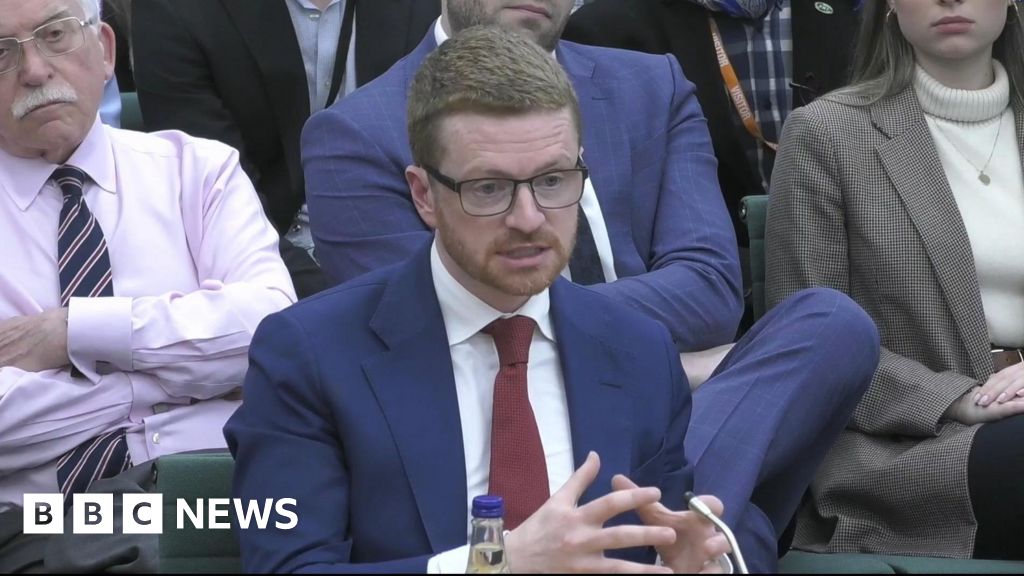
Morgan McSweeney speaks to the Foreign Affairs Committee
TL;DR
Former Labour chief of staff Morgan McSweeney says recommending Lord Mandelson as UK ambassador to the United States was a “serious mistake” after fresh evidence of Mandelson’s ties to convicted sex offender Jeffrey Epstein emerged.
Context McSweeney resigned in February 2024 after admitting he had not disclosed the full extent of Mandelson’s relationship with Epstein to the Foreign Office. The appointment, announced in late 2023, was intended to place a seasoned trade negotiator in Washington before Donald Trump’s inauguration in January 2025.
Key Facts - McSweeney told the Foreign Affairs Committee that he believed Mandelson’s experience as an EU trade envoy would help secure a US‑UK trade deal, but later realised his assessment of the Epstein connection was incomplete. - The Prime Minister’s office pressured the Foreign Office to accelerate Mandelson’s vetting so he could assume the post before Trump took office. - Full security clearance, a detailed background check required for diplomatic posts, was only completed after the ambassadorship had been publicly announced, despite earlier concerns from vetting officials. - A Cabinet Office due‑diligence report had flagged Mandelson’s continued contact with Epstein as a reputational risk, prompting the Prime Minister to request three follow‑up questions. McSweeney says the answers he received were later proven misleading. - Senior civil servants at the Foreign Office, including Sir Philip Barton and his successor Sir Olly Robbins, confirmed Downing Street’s focus on speed but denied any instruction to skip vetting steps. - Mandelson was removed from the ambassadorship in September 2025 after photographs and emails showed a deeper relationship with Epstein than previously disclosed.
What It Means The episode highlights tension between political timelines and security protocols. Downing‑street officials appear to have prioritized a symbolic diplomatic posting over thorough vetting, a choice that back‑fired when Epstein‑related evidence surfaced. McSweeney’s admission may shield senior ministers from direct blame, but it also raises questions about the oversight of diplomatic appointments. Parliament’s decision to reject a formal inquiry leaves the matter unresolved, yet the episode could fuel calls for stricter vetting safeguards and clearer accountability for senior advisers.
Looking ahead, watch for any legislative reforms to diplomatic vetting procedures and for further testimony from Downing Street officials as the next election approaches.
Continue reading
More in this thread
Fact Check: Datti Baba‑Ahmed’s 2023 Election Claim and Party Switch
Nadia Okafor
Waziri Ibrahim’s 1983 Rally Cancellation Shows Politics Can Be Civil
Nadia Okafor
Fact Check: King Charles’ Congress Speech Claims on Magna Carta, Historical Precedent, and Trump Quote
Nadia Okafor
Conversation
Reader notes
Loading comments...