Former Downing Street Chief Calls Mandelson Ambassadorship a ‘Serious Mistake’
Ex‑Downing Street chief of staff says recommending Lord Mandelson as US ambassador was a grave error after new Epstein links emerged.
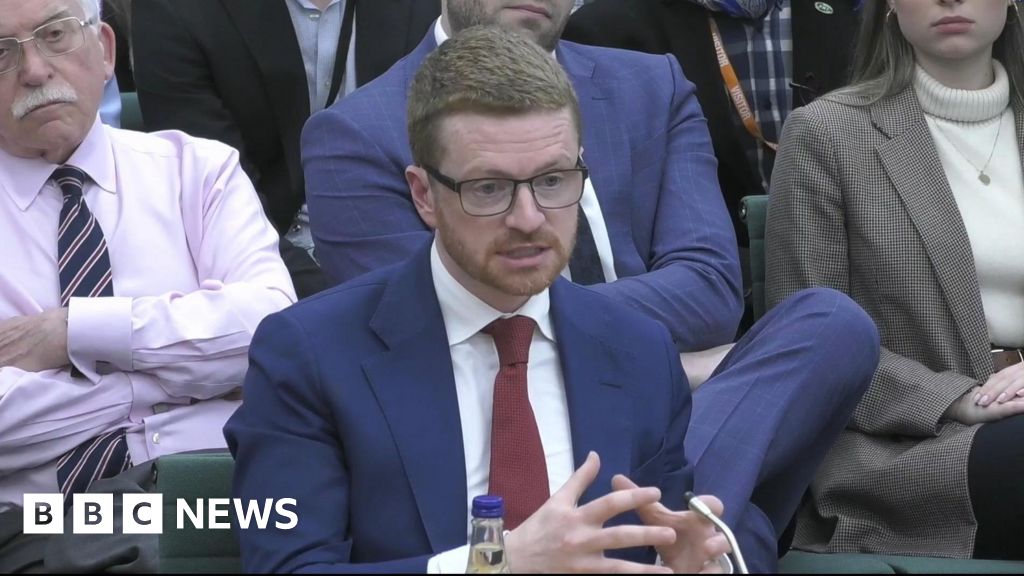
Morgan McSweeney speaks to the Foreign Affairs Committee
TL;DR
Former Prime Minister Keir Starmer’s ex‑chief of staff says recommending Lord Mandelson for the US ambassadorship was a serious mistake, citing fresh evidence of Mandelson’s ties to convicted sex offender Jeffrey Epstein.
Context Lord Mandelson was removed from his post as UK ambassador to the United States in September 2025 after documents revealed a deeper relationship with Epstein than previously disclosed. The appointment had already drawn criticism for being rushed to coincide with the start of Donald Trump’s presidency.
Key Facts - Morgan McSweeney, who resigned in February 2024 over the advice, told the Foreign Affairs Committee that he now sees his recommendation as a “serious mistake.” - He described learning the new details of Mandelson’s friendship with Epstein as “a knife through my soul.” - Initial due‑diligence flagged Mandelson’s continued contact with Epstein as a reputational risk, but the Prime Minister’s office pressed for a quick security clearance. - McSweeney said he believed Mandelson’s answers to follow‑up questions about the relationship were truthful, but later realised he had not been given the full truth. - The Foreign Office granted security clearance despite concerns from vetting officials, and in‑depth security vetting only began after the appointment was announced. - Downing Street officials, including the Prime Minister, claim they were unaware of the Foreign Office’s deviation from the vetting recommendation until recently. - MPs rejected a motion for a parliamentary investigation into whether McSweeney misled the House, though the debate highlighted the political cost ahead of upcoming elections.
What It Means McSweeney’s admission underscores the tension between political expediency and security protocols. The episode reveals how pressure to fill diplomatic posts quickly can override thorough vetting, exposing the government to reputational damage. It also raises questions about the oversight mechanisms within Downing Street and the Foreign Office when handling high‑profile appointments.
The controversy is likely to influence the upcoming general election, with opposition parties poised to demand stricter vetting reforms. Watch for parliamentary hearings on diplomatic appointments and any policy changes to safeguard national security vetting processes.
Continue reading
More in this thread
ADC Faction Defies Court Order, Leverages Governor Makinde for Ibadan Opposition Summit
Nadia Okafor
Yellen Hails Women’s Hall of Fame Induction While Decrying Trump’s Attack on Fed Independence and AI‑Driven Job Loss
Nadia Okafor
Yellen Warns of Unprecedented Threats to Fed Independence Ahead of Hall of Fame Induction
Nadia Okafor
Conversation
Reader notes
Loading comments...