First-time voters in Barnsley respond as Labour loses council to Reform UK
First-time voters in Barnsley share their reactions after Labour’s half‑century council control ends with a Reform UK majority, turnout at 37.25%, and youth urge peers to vote.
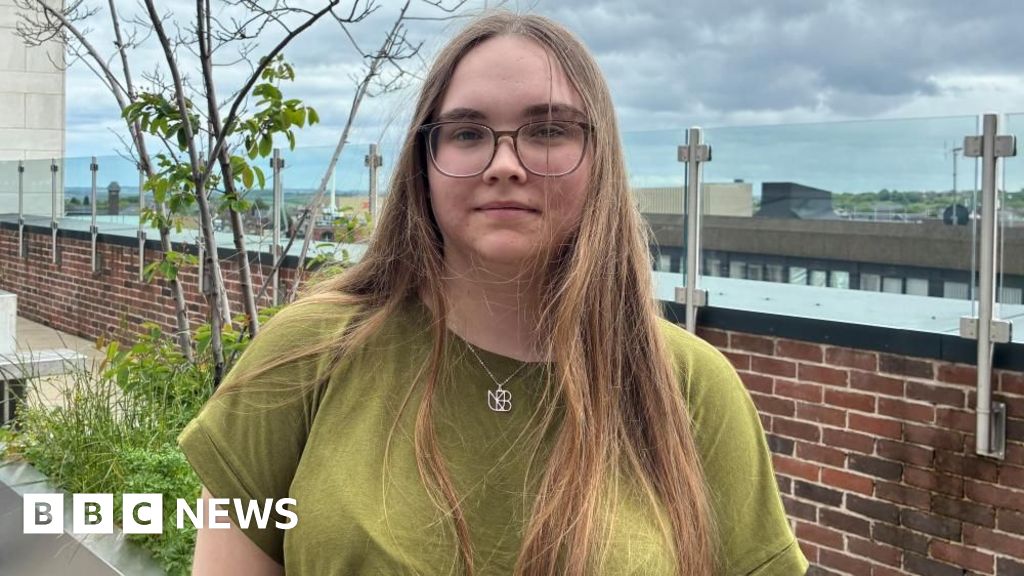
A young woman stands in front of a low-brick wall and a planter. She has long brown hair and wears glasses, a green t-shirt and a silver necklace with a large pendant on it.
TL;DR
First-time voters in Barnsley described their debut at the polls as both exhilarating and uncertain as Labour’s half‑century hold on the council ended with Reform UK securing a majority. Turnout stood at 37.25% in the all‑out election.
Context
Barnsley held its first full council election in 20 years, with all 63 seats up for grabs. For many 18‑year‑olds, including politics student Ruby, it was the first chance to cast a ballot. Ruby said stepping into the polling booth felt like 'these three crosses could mean absolutely everything – or absolutely nothing', capturing the mix of hope and doubt that accompanies a first vote. Other students echoed the sentiment, noting that voting made them feel more adult and more responsible for the town’s direction. Some said they struggled to find clear local platforms among party literature, which left them unsure who to trust.
Key Facts
- Ruby’s quote: voting for the first time can mean everything or nothing. - Voter turnout in Barnsley’s recent all‑out election was 37.25%. - Labour’s 50‑year control of Barnsley council ended when Reform UK won a majority.
What It Means
The shift signals a potential realignment in local politics, with younger voters expressing both enthusiasm for participation and frustration over limited information on local issues. Students urged peers to find a personal stake in the ballot to counter apathy, while some warned that inexperienced newcomers on the council may need time to deliver on promises such as affordable transport for youth. The change also raises questions about whether a Reform‑led council will prioritize older or younger demographics in policy decisions. Analysts suggest the result could influence upcoming regional contests, as parties reassess their ground‑level messaging in former Labour strongholds.
What to watch next: how the new council addresses transport, housing, and climate policies, and whether turnout rises in the next local election as first‑time voters become habitual participants.
Continue reading
More in this thread
Bangladesh Launches 1‑MW Rooftop Solar at Parliament, Calls Solar Key to Climate‑Resilient Future
Nadia Okafor
Shettima Highlights $2 B Trade and 5 M Nigerians in Benin at Inauguration
Nadia Okafor
Tinubu Secures APC Nomination with 10.99 Million Primary Votes
Nadia Okafor
Conversation
Reader notes
Loading comments...