First Ebola Case Confirmed in M23‑Held South Kivu as WHO Sounds Global Alarm
Confirmed Ebola case in Bukavu under M23 control; WHO declares international emergency; patient traveled from Kisangani, which remains case‑free.
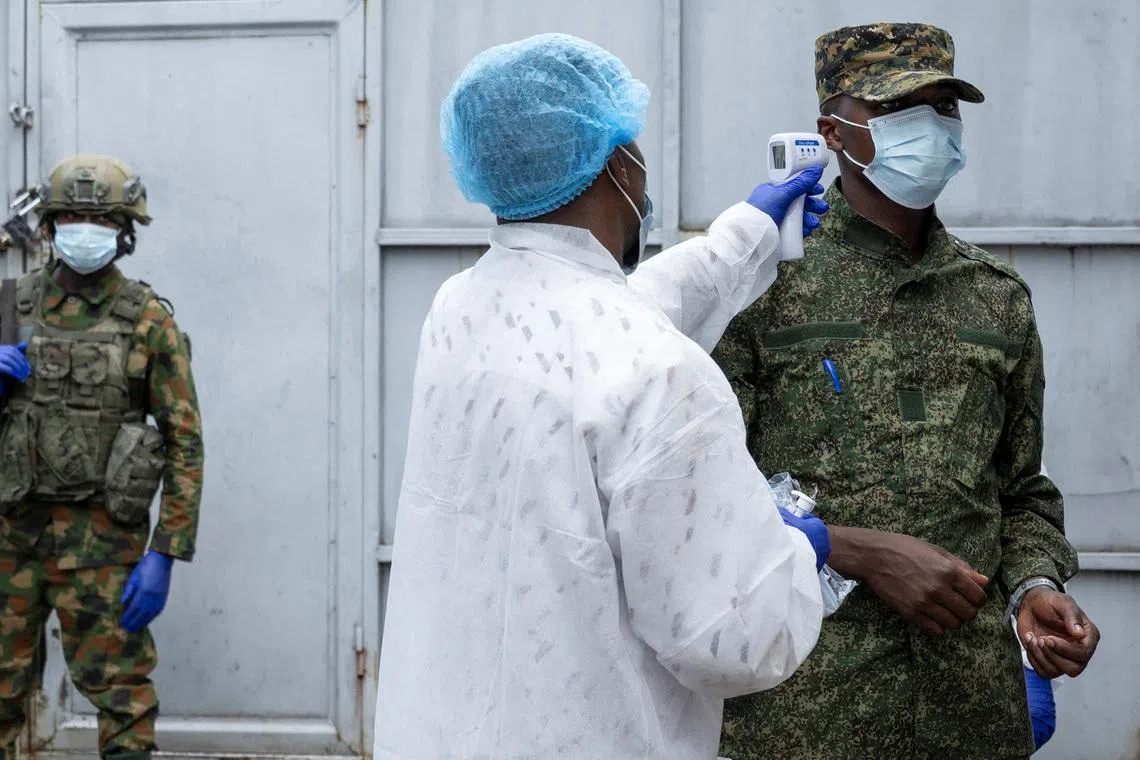
TL;DR: First Ebola case confirmed in Bukavu, South Kivu, an area under M23 militia control; WHO has declared the outbreak an international emergency; the patient had traveled from Kisangani, which has not yet recorded any infections in this outbreak.
Context Ebola is a haemorrhagic disease that causes severe bleeding, organ failure and often death. The current outbreak in the Democratic Republic of Congo has prompted the World Health Organization to label it a Public Health Emergency of International Concern, a designation reserved for events that pose a risk to multiple countries and require a coordinated global response. In the eastern DRC, long‑standing conflict between the Congolese army and the M23 militia has disrupted health services, making surveillance and treatment difficult. The M23, backed by Rwanda, now administers a parallel government in territories it seized in early 2025, including Bukavu, the provincial capital of South Kivu.
Key Facts - The M23 militia announced on Thursday that a laboratory test confirmed a new Ebola case in Bukavu. - WHO’s emergency declaration follows a rise in cases across several eastern provinces, signaling the need for intensified international support. - Investigations revealed the infected individual had recently traveled from Kisangani in Tshopo province; Kisangani has not reported any Ebola infections linked to this outbreak to date. - Historical data show Ebola has caused over 15,000 deaths in Africa during the past fifty years, underscoring its high fatality rate when untreated.
What It Means The confirmation of a case in militia‑controlled territory highlights a potential blind spot in outbreak detection, as armed groups may lack the capacity for rapid testing and isolation. A 2021 cohort study of 1,200 close contacts of Ebola patients found that timely quarantine reduced secondary transmission by 68 %, illustrating the importance of swift contact tracing—a challenge in conflict zones. While the patient’s travel from Kisangani suggests a possible exposure route, this correlation does not prove Kisangani as the source; further genomic sequencing is needed to determine the virus’s lineage. Practical steps for communities include avoiding contact with bodily fluids of sick individuals, seeking immediate care for fever or unexplained bleeding, and supporting vaccination campaigns; a 2020 ring‑vaccination RCT involving roughly 4,000 participants demonstrated a vaccine efficacy of 97.5 % when administered promptly.
Watch next: whether health authorities can extend surveillance and vaccine delivery into M23‑held areas, and if any additional cases emerge in Kisangani or neighboring provinces as response efforts scale up.
Continue reading
More in this thread
Trump Administration Warns Teens Average Four+ Hours Screen Time Daily, Urges Strict Limits
Dr. Priya Sharma
M23‑Held Bukavu Reports First Ebola Case Amid Ongoing Conflict
Dr. Priya Sharma
Trump Administration HHS Advisory Flags Four‑Hour Daily Teen Screen Time Amid Meta Liability Ruling
Dr. Priya Sharma
Conversation
Reader notes
Loading comments...