Fire Razes 1,000 Sabah Stilt Homes, Displacing Over 9,000
An extensive fire in Sabah, Malaysia, destroyed 1,000 stilt homes and affected 9,007 residents. Prime Minister Anwar Ibrahim ensures immediate aid and victim safety.
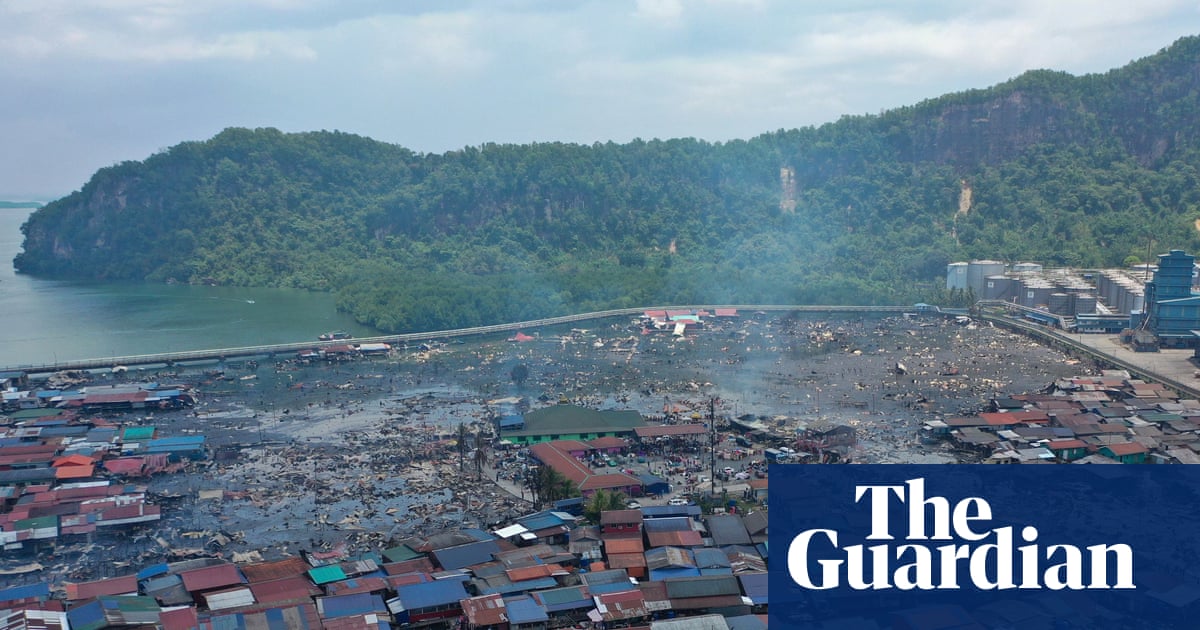
**TL;DR** An extensive fire obliterated approximately 1,000 makeshift stilt homes in Malaysia's Sabah state, displacing 9,007 residents. Government efforts now prioritize victim safety and immediate aid on the ground.
**Context** An extensive fire tore through a "water village" in Sandakan district, Sabah, during the early hours of Sunday. The blaze rapidly spread among closely packed wooden stilt houses, which sit over water. These residences house some of Malaysia's most economically vulnerable populations, including indigenous and stateless communities.
Emergency services, deploying 37 personnel from two stations, were alerted at 1:30 AM. Firefighters encountered significant obstacles during suppression efforts. Narrow access routes prevented heavy equipment, like fire engines, from directly reaching the affected area. Additionally, a low sea tide complicated accessing open water sources, while strong winds across the 10-acre site intensified the inferno's spread.
**Key Facts** The incident resulted in the complete destruction of approximately 1,000 makeshift stilt homes. This event, characterized as "very large-scale and heartbreaking," impacted 9,007 residents directly. Sandakan police chief George Abd Rakman confirmed this precise number of affected individuals.
Prime Minister Anwar Ibrahim stated the federal government is coordinating with Sabah authorities to provide immediate support. He emphasized that ensuring the safety of victims and delivering rapid assistance on the ground are the primary concerns. This coordinated response includes plans for temporary accommodation and essential relief for those displaced. No injuries or fatalities were reported in the incident.
**What It Means** The government's immediate focus on humanitarian aid addresses the urgent needs of thousands. The large-scale displacement of 9,007 people demands sustained attention for rehousing and recovery. Future developments will reveal the long-term strategies implemented to support these vulnerable communities and rebuild their lives.
Conversation
Reader notes
Loading comments...