Figure AI's Week‑Long Humanoid Robot Livestream Draws Praise and Skepticism
Figure AI's humanoid robots livestream package‑sorting for nearly a week, earning viral praise as the CEO warns of likely breakdowns. The demo runs on Helix 02, trained on over 1,000 hours of human motion data.
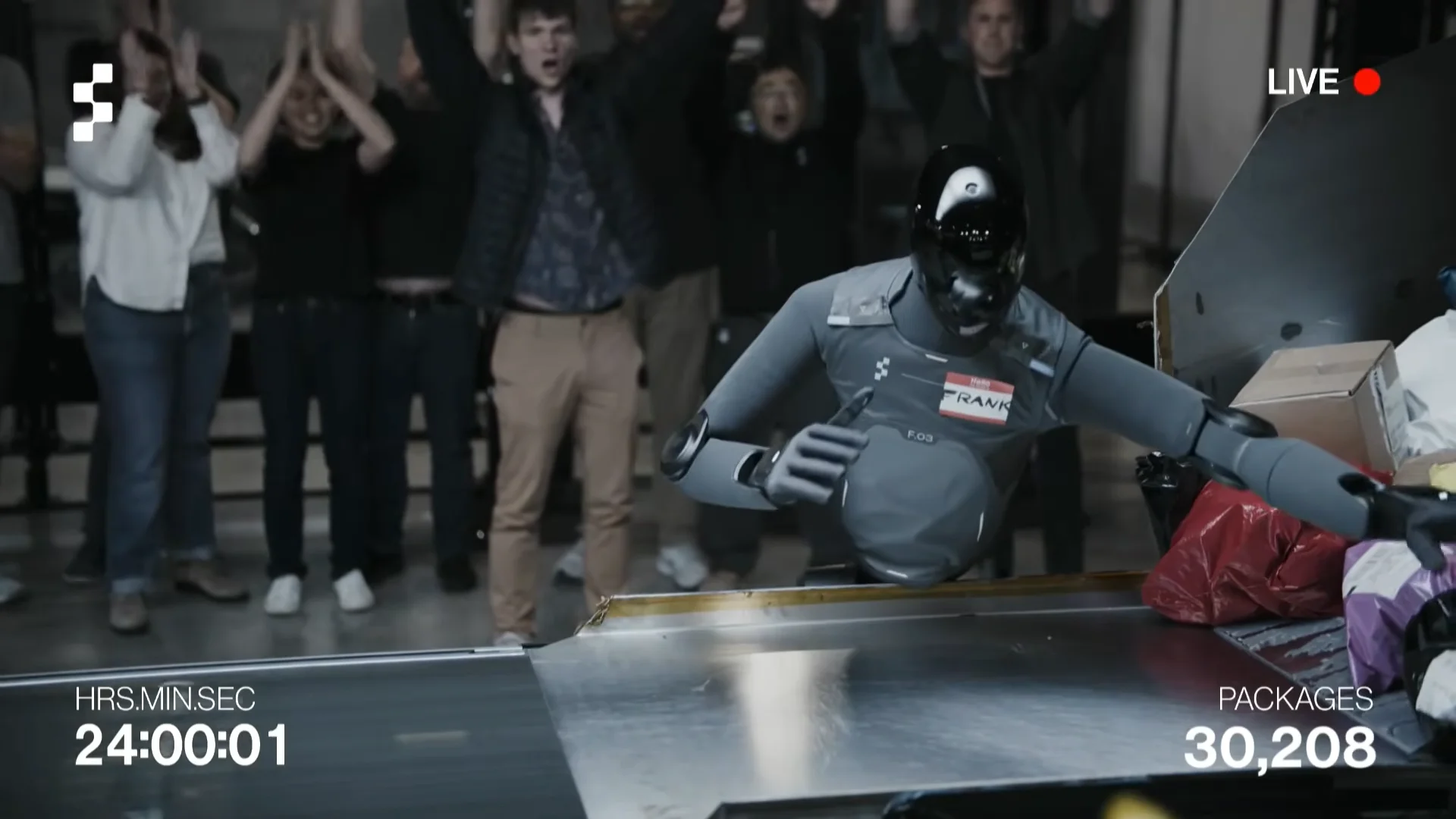
**Figure AI’s humanoid robots have been livestreaming package‑sorting work for almost a week straight. The demo runs on the Helix 02 neural network and has drawn viral praise while CEO Brett Adcock warns of likely breakdowns.
The livestream began on May 13, showing Figure 03 robots scanning barcodes on boxes and envelopes before placing them on a conveyor belt with the codes facing down. The robots operate autonomously for eight‑hour shifts, up from the earlier one‑hour demo. At one point a robot raced a human intern on the same task, drawing cheers from online viewers.
Viewers on YouTube and X have praised the stream, calling it "the greatest product demo since Steve Jobs' 'one more thing'." Figure AI responded by releasing robot‑themed merchandise and letting fans name the machines. Comments highlighted the smooth motion and seemingly effortless package handling.
Figure AI says the robots have moved thousands of packages during the nearly week‑long run. CEO Brett Adcock warned on X that high odds something would break during the eight‑hour demonstration. The robots rely on the Helix 02 neural network, an AI model trained on over 1,000 hours of human motion data.
The system also ran in more than 200,000 simulated environments to refine its control. Helix 02 enables whole‑body coordination and forward‑looking action planning without human input. This training lets the robots adapt to varied package shapes and conveyor speeds in real time.
Supporters see the livestream as proof that humanoid robots can handle repetitive warehouse tasks for extended periods. Critics note that the demo shows a narrow, controlled scenario and may not reflect real‑world variability such as uneven lighting, shifting loads, or unexpected obstacles. They argue that success in a curated setting does not guarantee reliability in messy, dynamic facilities.
The event highlights both progress in robot learning systems and the limits of current autonomy, reminding observers that breakthrough demos often mask underlying fragility. Investors and developers will watch whether Figure can extend reliability beyond the eight‑hour mark and transfer skills to new tasks. A longer run or a change in workload would test the true robustness of the Helix 02 system.
Next, observers will monitor if Figure publishes durability metrics, attempts longer runs, or applies Helix 02 to different industrial challenges.
Continue reading
More in this thread
Colossal Unveils Artificial Eggshell That Supports Shell‑Free Chicken Development
Alex Mercer
Google’s AI Mode Reaches 1 Billion Monthly Users as Usage Doubles Each Quarter
Alex Mercer
Google’s AI Search Surpasses 1 Billion Users as Overviews Dominate Queries
Alex Mercer
Conversation
Reader notes
Loading comments...