FIA President Pushes V8 Return Ahead of 2031 Engine Rule Change
Ben Sulayem argues a V8 revival could cut weight, cost and boost fan appeal ahead of Formula 1's 2031 power‑unit overhaul.
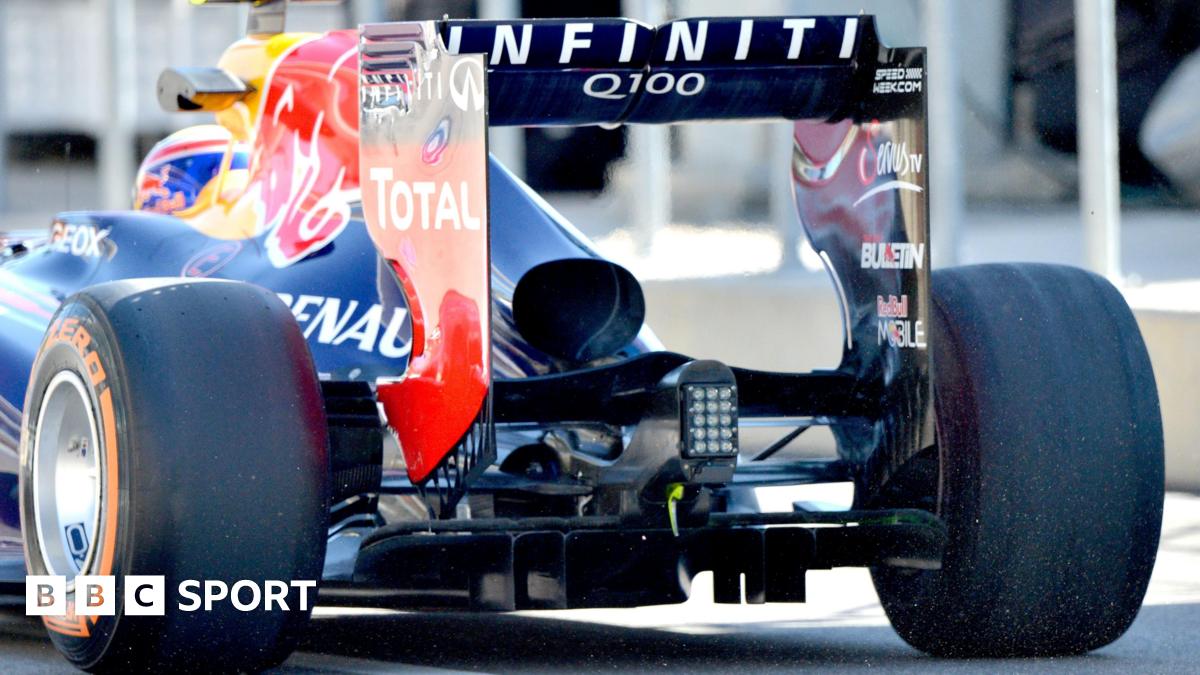
A close-up image of the rear of Mark Webber's Red Bull-Renault at the 2013 United States Grand Prix
TL;DR
FIA chief Ben Sulayem is lobbying for a return to naturally‑aspirated V8 engines, citing lower weight, cost and louder sound, as the sport approaches its 2031 engine regulation reset.
Context The next set of Formula 1 power‑unit rules will not take effect until 2031, the year after the current Concorde Agreement expires. That expiry could allow the FIA to impose new technical standards without the usual team‑level negotiation.
Key Facts Sulayem told *Car and Driver* that a V8‑based package would hit “sustainability, business price, efficiency, light weight, sound for the fans” all at once. Today's hybrid power units weigh 185 kg, including the turbo, electric motor, battery and control electronics. By contrast, the 2013 2.4‑litre V8 units, which already incorporated a small kinetic‑energy recovery system, weighed 130 kg, with the internal‑combustion engine alone at 95 kg. The lighter engine could reduce overall car mass, especially in qualifying and at race end, where fuel loads drop dramatically.
The 2026 regulations limit starting fuel to 90 kg, half the 160 kg used in 2013. A V8 without a large hybrid system would need more fuel, but the net weight advantage at the finish could be around 55 kg compared with current cars. A slimmer engine also opens the possibility of narrower chassis, further shaving weight.
Beyond performance, Sulayem argues that the iconic V8 scream would improve fan engagement. While no formal audience study is cited, the louder sound has historically been a hallmark of F1’s brand.
What It Means If the FIA moves forward, teams could face a rapid redesign cycle before the 2031 rulebook is formally adopted. Manufacturers that have recently entered the sport—Audi, Ford, General Motors and the returning Honda—might reassess their power‑train strategies if a V8 hybrid becomes the baseline. Conversely, a unilateral rule change after the Concorde Agreement ends could strain relationships between the FIA and team owners, risking withdrawals.
The next weeks will reveal whether Sulayem’s proposal gains traction in the pending technical consultations. Stakeholders will watch for any formal amendment to the 2031 engine plan, which could reshape the sport’s technological direction for the next decade.
Continue reading
More in this thread
Conversation
Reader notes
Loading comments...