FIA President Eyes V8 Return by 2030 Over 55kg Weight Gap
FIA President Mohammed Ben Sulayem says a V8 comeback is planned after consultation, noting today’s power units are 55kg heavier than the 2013 versions.
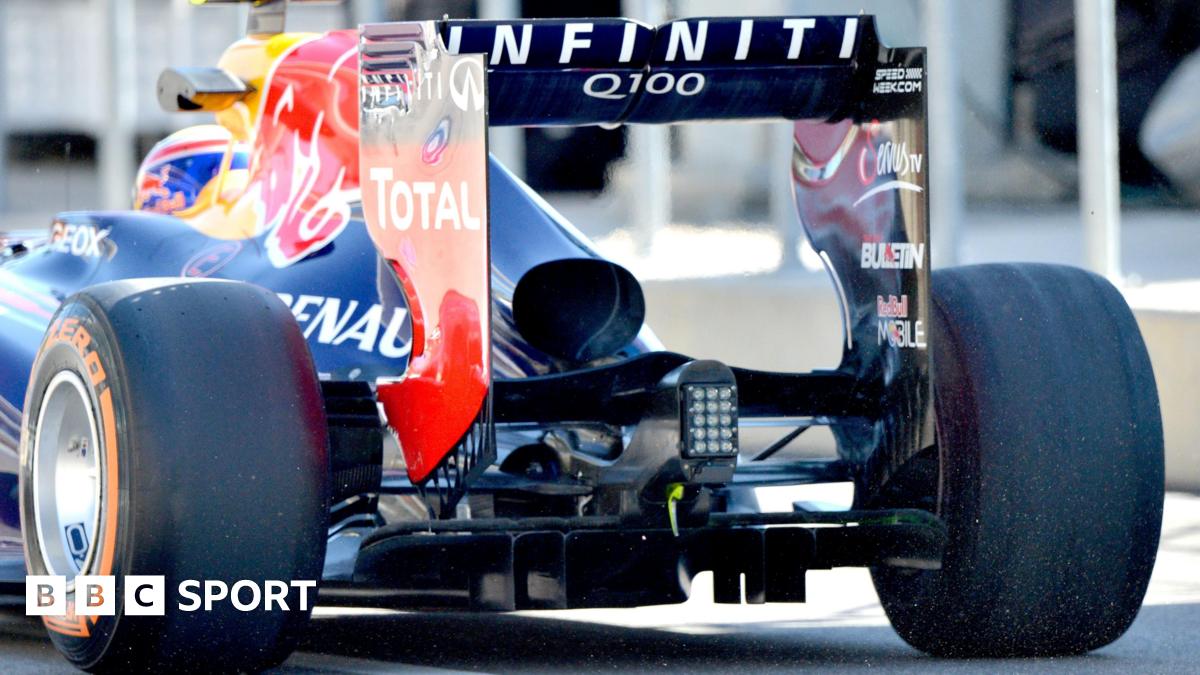
A close-up image of the rear of Mark Webber's Red Bull-Renault at the 2013 United States Grand Prix
TL;DR
FIA President Mohammed Ben Sulayem says a return to V8 engines is planned, but only after consultation. The current power units weigh 55kg more than the 2013 V8 units, a gap that could close if the switch occurs.
Context Formula 1 is engaged in two parallel engine discussions. The immediate talks seek to fix reliability and driveability issues with the 2026 hybrid units before the next season. The longer‑term debate centers on what power unit should replace the current design when the regulations change again in four or five years. Ben Sulayem has repeatedly pointed to the 2013‑era naturally aspirated V8 as a candidate, arguing it would reduce weight, lower costs, and improve the sound that fans associate with the sport. The broader conversation also notes that today’s cars are heavier than a decade ago, partly due to added safety structures such as the halo, and that any engine change must keep the carbon‑neutral sustainable fuels introduced this year.
Key Facts Ben Sulayem stated that a V8 return is happening but consultation is required. The present power unit weighs 185kg, which is 55kg heavier than the 130kg V8 unit used in 2013. The Concorde Agreement that binds teams, the FIA and Formula 1’s commercial holder expires at the end of 2030, allowing the FIA president to set new engine rules unilaterally from 2031 onward.
What It Means If the V8 proposal moves forward, teams would need to redesign their power‑unit layouts, likely shedding roughly 55kg from the rear of the car. That weight saving could improve handling and offset some of the mass added by modern safety devices. Manufacturers that have recently entered the hybrid era—Audi, Ford and General Motors—would face a shift in development focus, while Honda, which reversed its exit, would need to reassess its participation. Fans may notice a louder, higher‑pitched exhaust note, a factor Ben Sulayem cites as a draw. However, any change must retain the sustainable fuel mandate to avoid increasing emissions. The timeline hinges on the outcome of the consultation period; if agreement is reached before 2030, the new rules could debut as early as the 2030 season, otherwise they would apply from 2031 when the FIA gains unilateral authority.
What to watch next The FIA will open formal talks with teams, engine suppliers and fuel partners over the coming months, with a decision expected before the end of 2025 to allow sufficient lead time for a 2030 or 2031 introduction.
Continue reading
More in this thread
Conversation
Reader notes
Loading comments...