FIA Poised to Implement Driver-Demanded 2026 F1 Tweaks on Safety Grounds
The FIA is set to implement driver-backed 2026 Formula 1 rule changes, citing safety after the Ollie Bearman crash and potential team resistance.
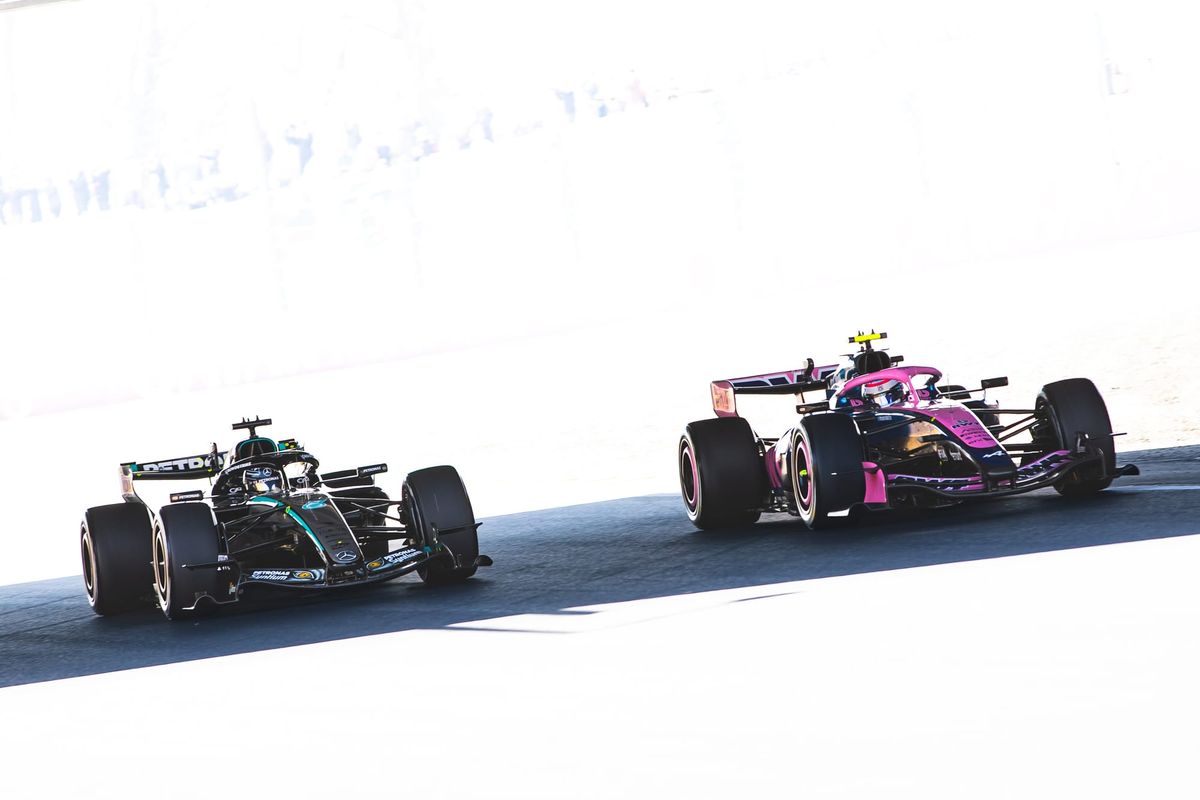
The FIA is set to implement driver-backed rule changes for the 2026 Formula 1 season, citing safety concerns after the Ollie Bearman crash and potentially overriding team objections.
Formula 1's governing body, the FIA, is poised to enforce significant modifications to the 2026 technical regulations, aligning with driver feedback on critical safety and competition aspects.
This move comes ahead of a crucial rule-setting meeting, where driver recommendations will play a central role in discussions with teams and power unit manufacturers. The FIA prioritizes ensuring meaningful changes, particularly concerning energy management, despite potential team resistance.
Drivers have consistently expressed concerns, highlighting issues with the initial 2026 regulation drafts. FIA president Mohammed Ben Sulayem confirmed these discussions, stating drivers "provided invaluable input on adjustments which they feel should be made, particularly in the areas of energy management to ensure safe, fair and competitive racing."
This feedback extends beyond qualifying; drivers emphasize problems with racing dynamics. Carlos Sainz noted, "drivers have been extremely vocal that the problem is not only qualifying, it's also racing." High closing speeds, exemplified by Ollie Bearman's crash at the Japanese Grand Prix, underscore these safety concerns.
A specific driver request involves increasing the super clipping recharge limit to 350 kW, a technical adjustment aimed at managing power delivery and mitigating dangerous speed differentials.
Historically, F1 rule changes require a super majority approval from teams and manufacturers under the Concorde Agreement. However, the FIA retains the authority to mandate changes on explicit safety grounds, independent of team consensus. The Bearman incident could provide such justification.
This allows the FIA to push through critical adjustments if teams do not fully support the necessary modifications. Such an intervention would prioritize driver welfare and competitive balance for the future F1 grid.
All eyes now turn to the upcoming rule meeting, where the balance between team interests and driver safety advocacy will shape the future direction of the 2026 season.
Conversation
Reader notes
Loading comments...