Fertiliser price surge could lift UK farm costs by 70% and push global food prices higher
Fertiliser prices up 50‑70% since the Iran war could raise UK farm costs by 70% and drive global food price spikes, warns Grosvenor Group.
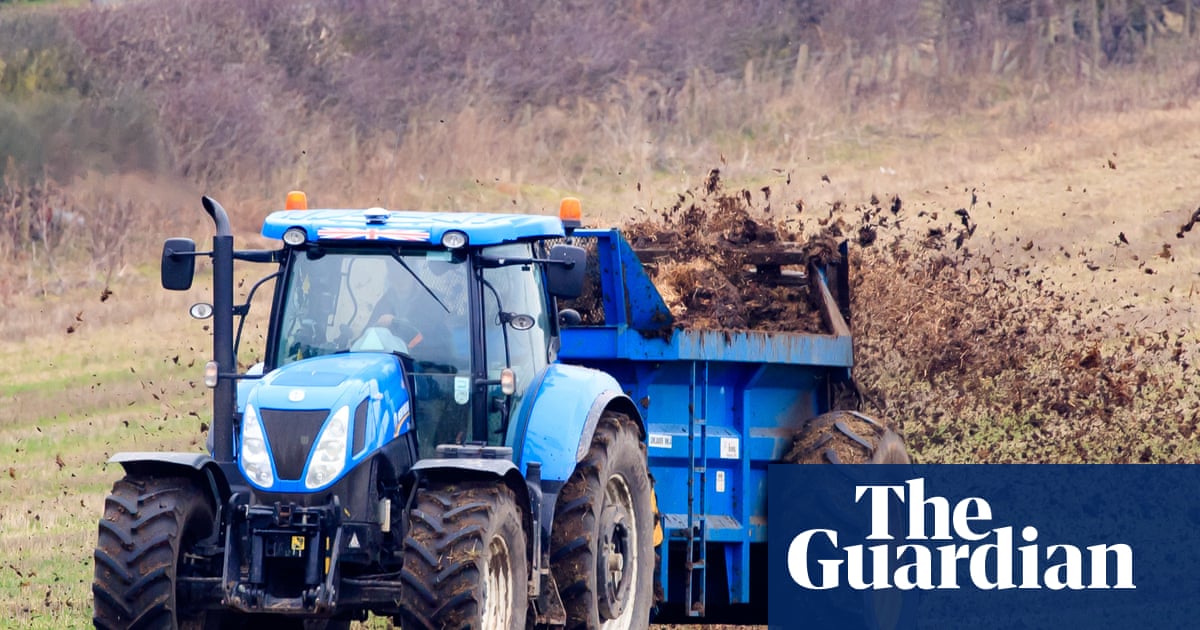
TL;DR: Fertiliser costs have risen 50‑70% since the Iran war, potentially raising UK farm expenses by up to 70% and feeding a global food price spike.
The war in Iran has forced the Strait of Hormuz, a key shipping lane for nitrogen‑based fertilisers, into near‑closure. With roughly 1,600 vessels stranded, the flow of liquefied natural gas—essential for producing urea and other nitrogen fertilisers—has been choked off.
Mark Preston, executive trustee of the Grosvenor Group, warned that the shortage will create a “very, very dramatic problem for the world” as fertiliser supplies dwindle. He noted that fertiliser was already pricey before the conflict, and the current 50‑70% price surge could push UK farm input costs up to 70%.
Grosvenor’s own dairy and arable operations in Cheshire have largely avoided the immediate impact because most fertiliser was applied before the price spike. However, Preston expects a knock‑on effect next year as farmers hesitate to purchase the now‑expensive product, opting instead for alternative practices such as increased spring cropping.
The fertiliser crunch matters beyond the UK. Nitrogen has few substitute sources, unlike oil, making the supply bottleneck a critical risk for global food production. If the strait remains closed, the cost of staple crops could climb sharply, feeding into retail grocery prices.
A recent Opinium poll found that 80% of Britons are already worried about rising grocery bills, a sentiment likely to intensify if farm costs are passed down the supply chain. Retailers have begun shifting higher input costs to consumers, stoking public anxiety.
While Grosvenor’s property arm continues to perform strongly—maintaining 97% occupancy and launching a major mixed‑use development near Oxford Street—their farming division faces an uncertain horizon. The group’s limited fertiliser use, relying on cow dung where possible, cushions its own balance sheet but does not shield the broader agricultural sector.
What to watch next: the reopening timeline for the Strait of Hormuz and any shifts in global fertiliser trade flows, which will dictate whether food price pressures intensify or ease in the coming year.
Continue reading
More in this thread
Conversation
Reader notes
Loading comments...