Fed Refines Skinny Master Account Plan as Trump Pushes Crypto Integration and Senate Moves Clarity Act Forward
The Fed revises its skinny master account proposal, Trump signs an order tightening crypto oversight, and the Senate moves the Clarity Act forward, shaping US crypto policy.
TL;DR
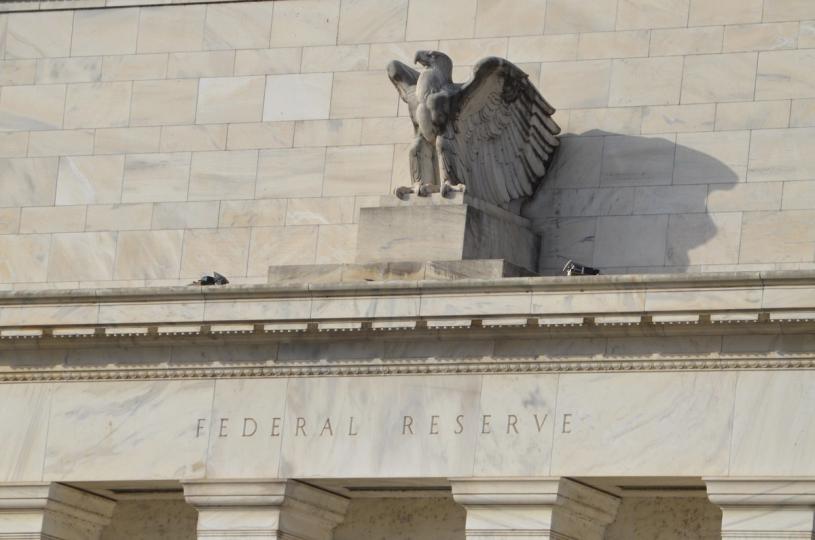
The Federal Reserve released a revised skinny master account proposal, President Trump signed an order tightening crypto‑related security rules, and the Senate Banking Committee moved the Clarity Act toward a full vote.
Context The United States is witnessing a convergence of monetary policy, executive action, and legislative effort around digital assets. The Fed’s skinny master account concept aims to let fintech and crypto firms use the nation’s payment rails without becoming full‑service banks. Simultaneously, the Trump administration is demanding stricter controls on cross‑border illicit flows, while the Senate pushes a bill that would clarify regulatory treatment of crypto firms.
Key Facts - On Wednesday the Federal Reserve published an updated request for information on a “skinny” master account, expanding the December 2025 draft. The plan would let qualifying crypto firms access Fed payment systems through member banks, bypassing the need for an Office of the Comptroller of the Currency charter. - President Donald Trump’s executive order warned that “my administration will not tolerate national security and public safety risks caused by illicit cross‑border financial activity.” The order also bars credit or services to inadmissible and removable aliens and signals tighter Bank Secrecy Act enforcement, which could affect crypto exchanges that process peer‑to‑peer payments. - The Senate Banking Committee voted to advance the Clarity Act, moving it closer to a full Senate vote. The bill seeks to define which digital‑asset entities qualify for federal oversight and could codify the Fed’s skinny account framework. - Market reaction shows modest volatility. Bitcoin (BTC) slipped 1.2% to $27,800, while Coinbase Global (COIN) fell 3.4% to $42, shaving $1.1 billion off its market cap of $31 billion. The S&P 500’s financial sector index (XLF) rose 0.6%, reflecting investor optimism about clearer regulatory pathways.
What It Means The Fed’s refined proposal narrows the gap between crypto firms and traditional banking infrastructure, potentially lowering transaction costs and increasing liquidity for digital assets. However, the Trump order introduces a parallel risk vector: heightened scrutiny under the Bank Secrecy Act could force exchanges to tighten AML (anti‑money‑laundering) controls, raising compliance costs. If the Clarity Act clears the Senate, it would provide statutory certainty, allowing fintech and crypto companies to plan long‑term investments. The combined effect could accelerate the migration of crypto trading volume onto regulated platforms, but only if compliance burdens remain manageable.
Looking Ahead Watch for the Fed’s final rulemaking timeline, the Treasury’s guidance under the new executive order, and the Senate’s vote on the Clarity Act before the August recess. These steps will determine whether the U.S. creates a cohesive framework for digital assets or fragments the market with overlapping regulations.
Continue reading
More in this thread
Bangladesh Bank Rolls Out Tk60,000 Crore Stimulus to Restart Factories and Create 2.5 Million Jobs
David Amara
Grayscale Flags Ethereum, Solana, BNB Chain and Canton as Winners of Crypto Clarity Bill
David Amara
SEC Pauses Tokenized Stock Exemption as Lawmakers Push Bitcoin Reserve
David Amara
Conversation
Reader notes
Loading comments...