Famine Confirmed in Gaza and Sudan as Food Crises Escalate
Global food crises worsen with famine confirmed in Gaza and Sudan for the first time in a decade, impacting 266 million people across 47 regions.
TL;DR
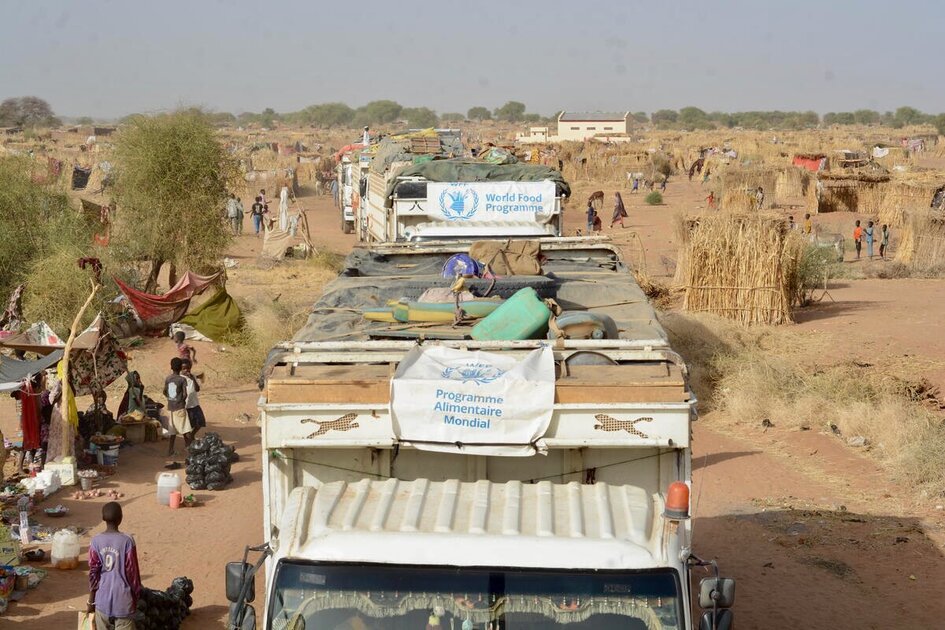
For the first time, famine has been confirmed in two distinct locations—Gaza and parts of Sudan—within the same year, highlighting an escalating global food crisis that affects hundreds of millions.
Context Global acute food insecurity, defined as a severe lack of food threatening lives or livelihoods, nearly doubled since 2016, impacting approximately 266 million people across 47 countries or territories last year. This widespread challenge signals a significant deterioration in global food access. Conflict remains the primary driver behind this escalating crisis, creating widespread instability and disrupting food systems in numerous regions.
Key Facts Famine has been confirmed in two distinct locations, Gaza and parts of Sudan, within the same year. This marks a first in the ten-year history of global food crisis reporting, indicating an unprecedented level of severity in these areas. The concentration of this crisis is stark; globally, two-thirds of all people facing food crises last year resided in just 10 countries. One-third of these 266 million individuals lived in Sudan, Nigeria, and the Democratic Republic of Congo, underscoring how conflict and instability disproportionately affect specific populations.
What It Means The current landscape reveals worsening conditions in several nations, with improvements in others, such as Bangladesh and Syria, largely offset by deteriorating situations in Afghanistan, Democratic Republic of Congo, Myanmar, and Zimbabwe. Conflict disrupts agriculture, markets, and humanitarian access, directly contributing to food shortages. International aid efforts face sharp declines, while escalating regional conflicts risk exacerbating existing crises by increasing displacement and driving up essential commodity costs. Rising energy prices, which impact fertilizer production and transport costs, also threaten future agricultural output, particularly for small-scale farmers now entering critical planting seasons. Addressing these multifaceted challenges may involve boosting local fertilizer production and improving soil health to reduce dependency on external inputs. Monitoring the interplay of conflict, aid levels, and agricultural supply chain disruptions will be crucial for understanding evolving food security challenges in the coming year.
Continue reading
More in this thread
One-Third of Global Food Insecurity Concentrated in Sudan, Nigeria, DRC, UN Report Finds
Dr. Priya Sharma
UK Biobank Health Records Leak Exposes 500,000 Volunteers on Alibaba
Dr. Priya Sharma
Monterey County Students Lead Youth Mental Health Dialogue Through Research and Art at Sunset Center
Dr. Priya Sharma
Conversation
Reader notes
Loading comments...