Fact Check: Nepal’s Protest Over India’s Lipulekh Pilgrimage Resumption
We verify Nepal's protest, its treaty-based claim to Lipulekh Pass, and India's claim of pilgrim use since 1954.
TL;DR
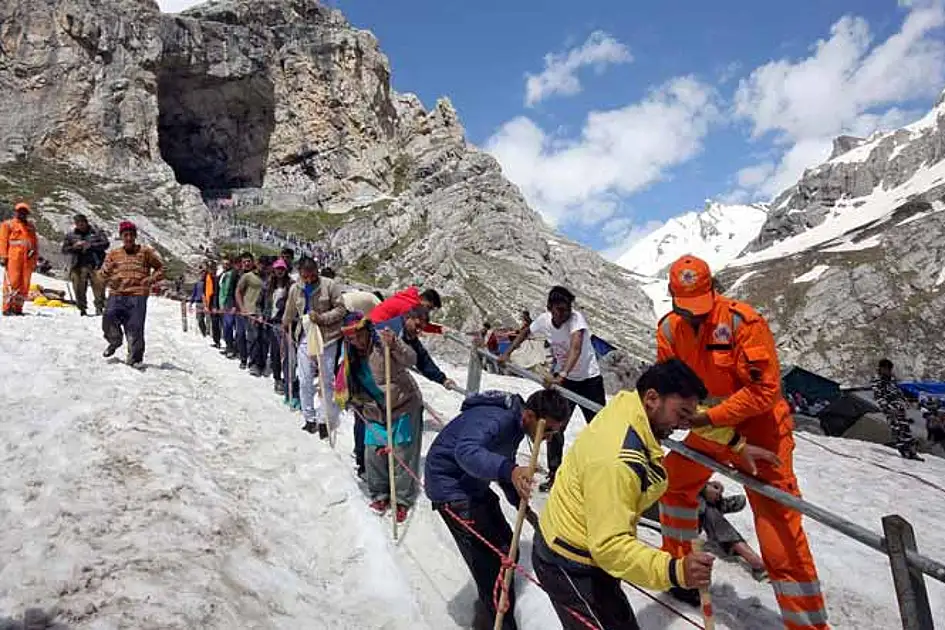
– Nepal’s foreign ministry formally protested India’s restart of the Kailash Manasarovar pilgrimage via Lipulekh Pass; Nepal bases its claim on the 1816 Treaty of Sugauli; India’s external affairs ministry says the pass has served Hindu, Buddhist, Jain and Bon pilgrims since 1954.
Claim 1 – Nepal lodged a protest on Sunday Evidence: Nepal’s Ministry of Foreign Affairs issued a protest statement on Sunday, condemning New Delhi for resuming the pilgrimage through Lipulekh Pass. The protest was reported by multiple news outlets on 4 May 2026. Verdict: True. Analysis: The timing and content of the protest match the claim. No alternative reports dispute the ministry’s action, confirming the statement’s authenticity.
Claim 2 – Nepal’s claim rests on the 1816 Treaty of Sugauli Evidence: Nepal’s foreign ministry cited the 1816 Treaty of Sugauli, which defined Nepal’s western border with British India, as the legal basis for asserting sovereignty over Lipulekh Pass, Limpiadhura and Kalapani. Both Indian and international reporting reference this treaty in the current dispute. Verdict: True. Analysis: The treaty remains the historic document Nepal uses to delineate its border. No evidence contradicts the ministry’s reliance on this treaty, making the claim accurate.
Claim 3 – India says the pass has been used by Hindu, Buddhist, Jain and Bon pilgrims since 1954 Evidence: India’s Ministry of External Affairs released a statement asserting that Lipulekh Pass has facilitated pilgrimages for those four religious traditions since 1954. The statement was quoted in coverage of the diplomatic exchange. Verdict: True. Analysis: The Indian ministry’s own communication confirms the claim. While the historical usage may be contested by Nepal, the statement reflects India’s official position, which is accurately reported.
Overall assessment All three statements are supported by official government communications and independent news reporting. The dispute centers on differing interpretations of historic borders and the legitimacy of pilgrim routes, not on the factual existence of the protest, the treaty reference, or India’s usage claim.
What to watch next Monitor bilateral talks between Kathmandu and New Delhi for any diplomatic resolution and watch for updates on the pilgrimage schedule, which could affect regional security and trade routes.
Continue reading
More in this thread
Conversation
Reader notes
Loading comments...