F1’s 2026 DRS Removal Fails to Stop ‘DRS Train’ Effect, Sainz Warns
Analysis shows F1’s 2026 DRS removal and synchronized wing openings still create drag‑train packs, limiting overtakes as drivers like Carlos Sainz warn.
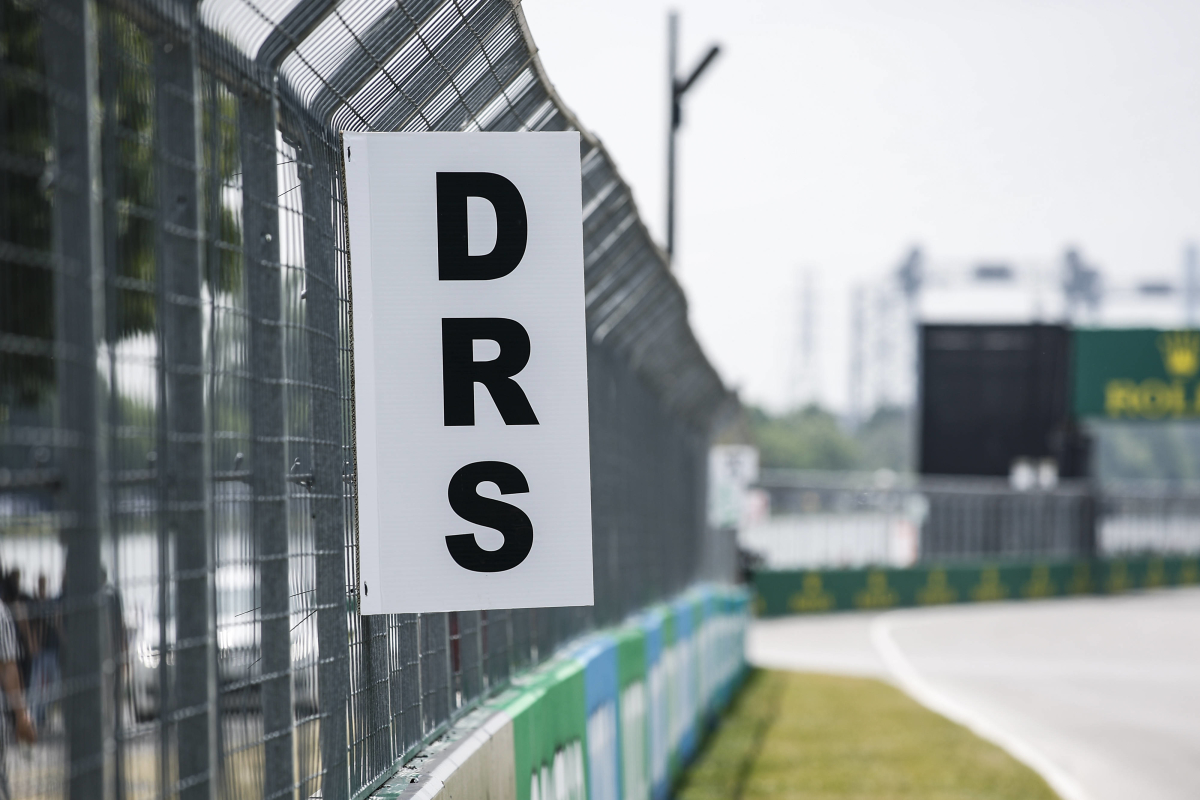
TL;DR: The 2026 Formula 1 rules removed the traditional Drag Reduction System (DRS) and instead open front and rear wings together in set zones, giving every driver a drag‑cut boost each lap. Early data show the change has not stopped the "DRS train" effect, where groups of cars run at nearly identical speeds and overtaking stays difficult.
Context: Formula 1 introduced the 2026 technical package to reshape how cars follow each other. The goal was to reduce reliance on a movable rear wing and instead use synchronized front and rear wing openings to lower drag. The change was meant to keep straight‑line speed while encouraging more mechanical battles.
Key Facts: - Regulators introduced the 2026 technical regulations to redefine race dynamics. - They completely removed the traditional DRS. - In the designated zones, front and rear wings open together to cut drag and raise top speed for all drivers each lap.
Early season statistics indicate that average overtakes per race have dropped from about 28 in 2025 to roughly 22 in the first three 2026 events, while the average time spent in drag‑reduction zones has risen from 12% of a lap to 18%.
What It Means: Despite the new active‑aero approach, telemetry from races such as Miami shows packs of cars staying within a few tenths of a second of each other in the drag‑reduction zones. This mirrors the old DRS train, where a line of cars benefited from the same slipstream and found it hard to pass.
Carlos Sainz noted that when the car ahead uses maximum wing opening, the following driver loses any speed advantage, creating a bottleneck. Teams now rely more on pit‑stop timing, tyre wear, and energy‑deployment to gain an edge, as teams share the pure aerodynamic advantage.
What to watch next: The FIA will likely examine whether adjusting the length or activation points of the active‑aero zones can break up these trains, with teams expecting possible tweaks for the 2027 season.
Continue reading
More in this thread
Conversation
Reader notes
Loading comments...