F1 Drivers’ Revolt Prompts FIA to Cut Qualifying Energy Harvest and Raise Power for Safer Racing
Formula 1's governing body, the FIA, has revised 2026 regulations, reducing qualifying energy recharge by 12.5% and increasing peak power by 40% after driver complaints.
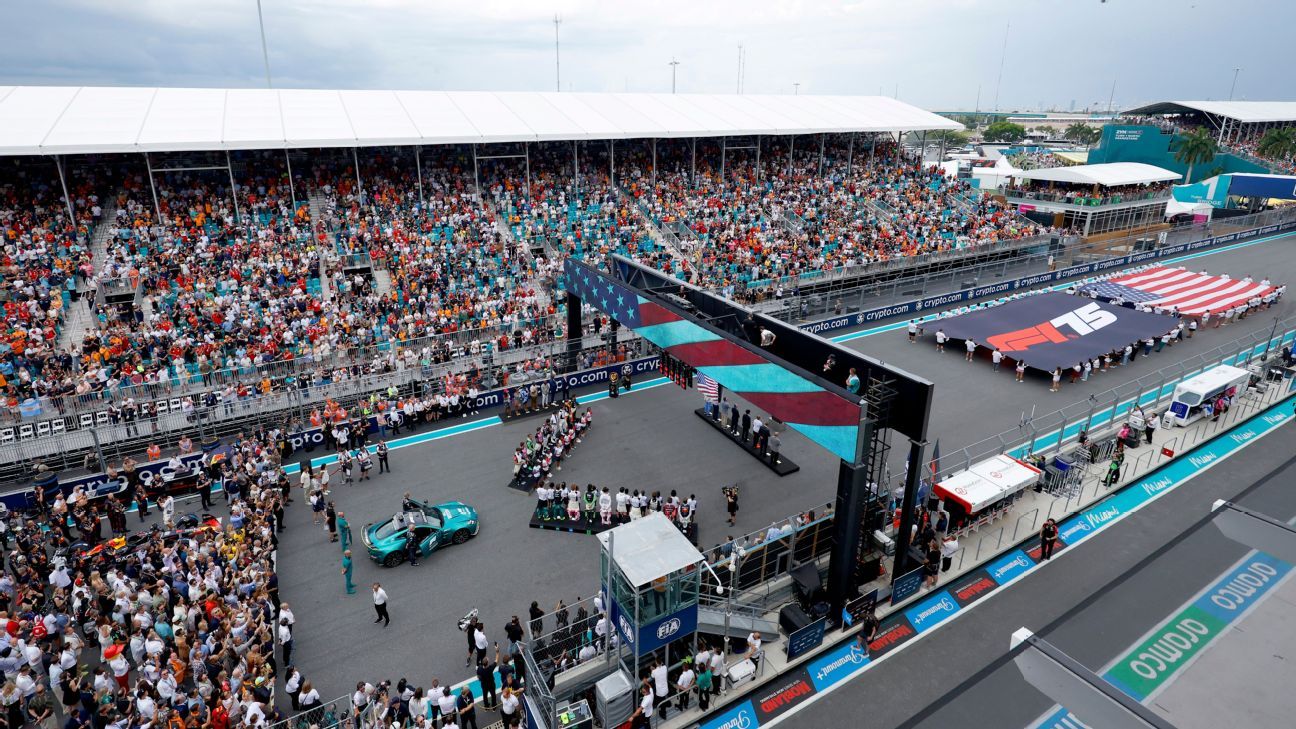
The FIA significantly adjusted 2026 Formula 1 regulations, cutting qualifying energy recharge by 12.5% and increasing peak power by 40%, directly addressing driver concerns over battery management and on-track safety.
Formula 1's governing body, the FIA, confirmed a package of changes to the 2026 technical and sporting regulations after only three races under the new framework. This swift action followed widespread driver feedback regarding cars spending excessive time managing battery charge, impacting both performance and safety. An incident at Suzuka, where a car slowed unexpectedly due to recharging, highlighted these concerns.
Drivers described the new car behavior as a significant shift. Max Verstappen characterized the new Formula 1 cars as "Formula E on steroids," underscoring the increased emphasis on electric power management. In response, the FIA reduced the allowed energy recharge per lap for qualifying from 8 megajoules to 7 megajoules, a 12.5% decrease.
Simultaneously, peak super-clip power increased from 250 kilowatts to 350 kilowatts, representing a 40% increase. This combination targets reducing the duration drivers spend off-throttle for battery recharging. George Russell noted that the recent driver consultations with the FIA were "probably the closest relationship we've had with them in numerous years," signaling a collaborative resolution.
Further race day modifications include capping battery boost at +150 kW and adjusting MGU-K deployment to 350 kW in acceleration zones and 250 kW elsewhere. A new low-power start detection system will automatically deploy the MGU-K and activate warning lights if a car leaves the grid too slowly, improving safety.
These regulatory adjustments, largely taking effect before the Miami Grand Prix, aim to deliver a more consistent and safer racing product by rebalancing the powertrain's electric and combustion components. The FIA's quick implementation, achieved with team and manufacturer consensus, demonstrates a responsiveness to critical feedback from the sport's participants. This move is designed to enhance outright performance and driver focus on racing, rather than energy conservation. Observers will now monitor the practical impact of these revised rules on competitive balance and driver experience as preparations for the 2026 season continue.
Continue reading
More in this thread
Charles Leclerc's Pre-Race Ritual Includes Jumping Rope, Cold Baths, and a Strict Diet
Marcus Cole
Charles Leclerc Outlines Jump‑Rope, Ice Bath, and Fish‑and‑Rice Pre‑Race Routine
Marcus Cole
Vrabel Promises 'Best Version' After Photo Leak with Former Athletic Reporter
Marcus Cole
Conversation
Reader notes
Loading comments...