F1 Cuts Qualifying Hybrid Energy Limit to 7 MJ per Lap Ahead of Miami GP
Formula 1 reduces hybrid energy use to 7 MJ per lap for qualifying, effective at the Miami Grand Prix. This aims to improve performance consistency and reduce speed differentials.
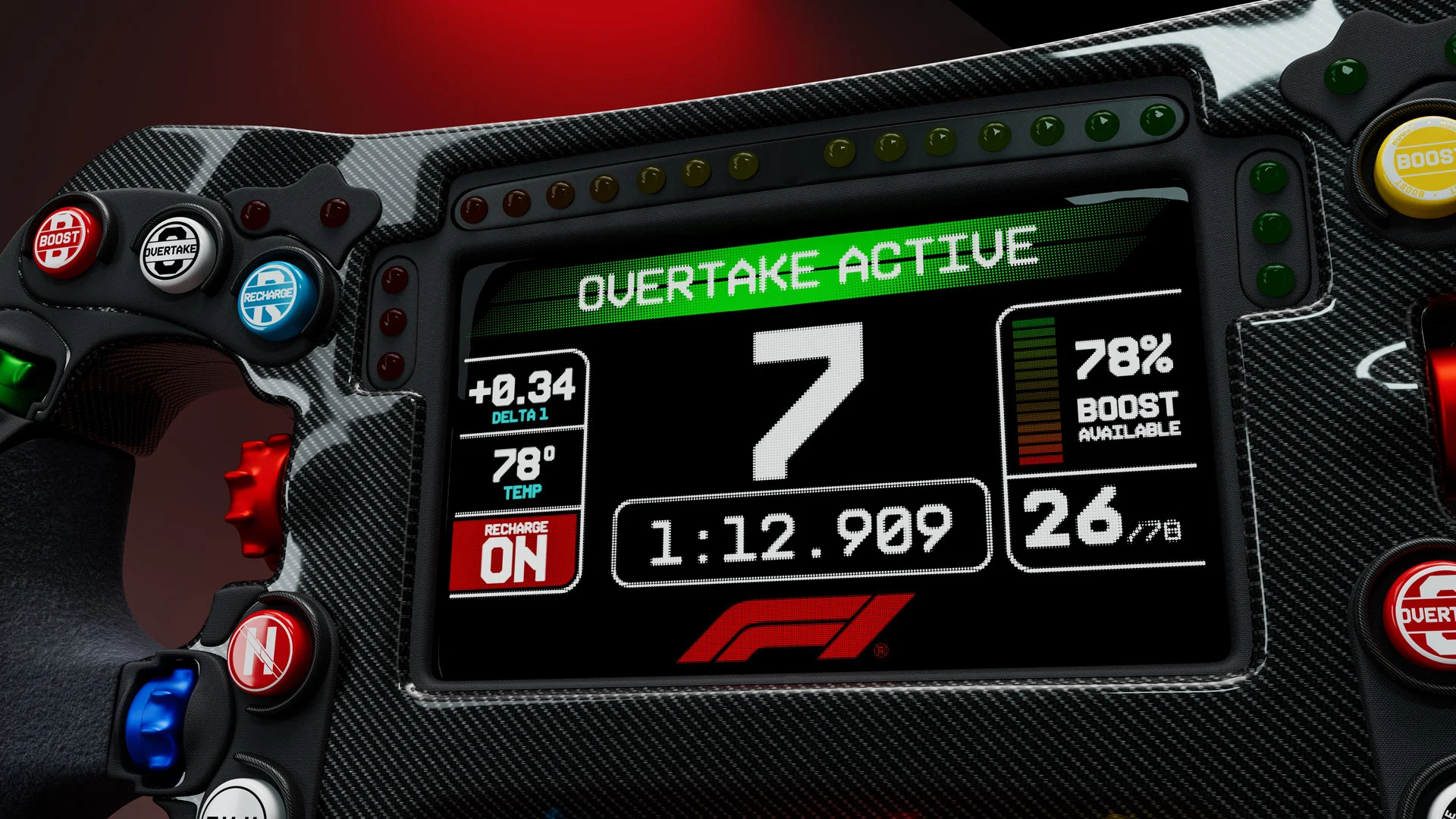
TL;DR
Formula 1 will reduce the permissible hybrid energy use per lap during qualifying sessions from 8 megajoules (MJ) to 7 MJ, effective immediately at the Miami Grand Prix. This adjustment aims to optimize car performance and reduce speed differentials on track.
F1 cars utilize advanced hybrid powertrains, designed to supplement the internal combustion engine with electric power. However, the system's battery capacity, at 4 MJ, has created strategic complexities during high-stakes qualifying laps. Drivers previously had an allowance to deploy up to 8 MJ of electric motor power per qualifying lap, effectively double the battery's raw capacity. This necessitated frequent recharging during the lap.
To recharge the battery, drivers would often engage in "super clipping." This process diverts power from the V6 engine to function as a generator, charging the electric motor's battery. While critical for energy management, super clipping reduces direct power to the rear wheels, leading to notable speed differentials—sometimes up to 70 km/h (43 mph)—between cars with full battery charge and those in a recharge phase. This dynamic compromised the pure performance aspect of a qualifying lap, where flat-out speed is paramount.
The Fédération Internationale de l'Automobile (FIA), the sport's governing body, confirmed a reduction of the qualifying hybrid energy limit to 7 MJ per lap, beginning with the Miami Grand Prix. This change represents a 12.5% decrease from the previous 8 MJ allowance. Additionally, the revised rules permit a higher rate of energy harvesting during super clipping, increasing from 250 kW to 350 kW.
The FIA projects that this revised rule set will restrict super clipping to only 2-4 seconds per lap. By reducing the overall energy demand and enhancing the efficiency of harvesting, cars will experience less need to divert engine power. This enables drivers to maintain full power to the wheels for extended periods. The objective is to ensure more consistent performance throughout a qualifying lap, directly addressing previous instances of significant speed disparities and promoting a clearer measure of outright pace.
Observers will closely monitor lap times and driver feedback at the Miami Grand Prix. The impact of this energy cap on qualifying strategies and overall performance consistency across the grid will provide key insights into the effectiveness of the regulatory adjustment.
Continue reading
More in this thread
Alysa Liu Surprises Orlando Cat Cafe Visitors Between Stars on Ice Tour Stops
Marcus Cole
Olympic Gold Medalist Alysa Liu Surprises Fans with Orlando Cat Cafe Visit During Stars on Ice Tour
Marcus Cole
Raptors' Immanuel Quickley Sidelined for Game 2 as Cleveland Leads Series 1-0
Marcus Cole
Conversation
Reader notes
Loading comments...