F1 to Raise Combustion Power by 50 kW for 2027 Season
Formula 1 will increase combustion engine output by 50 kW and cut electric power for 2027, responding to driver criticism of the current hybrid balance.
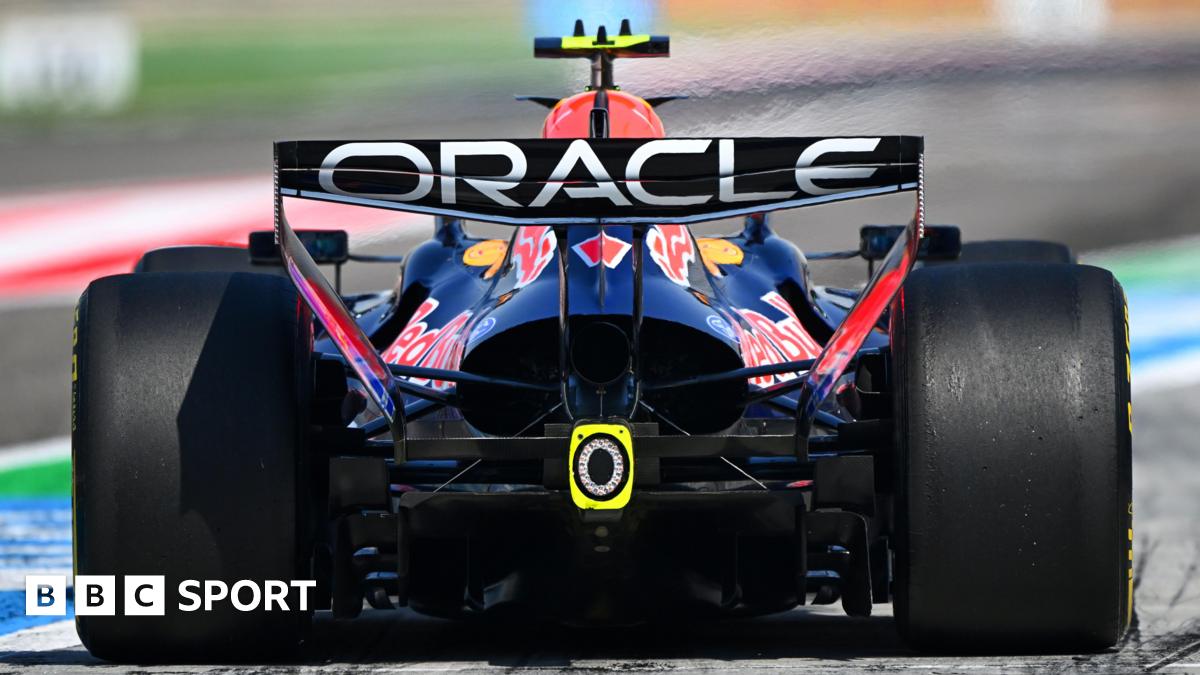
The rear of the Red Bull car, driven by Isack Hadjar
*TL;DR: 2027 Formula 1 cars will gain 50 kW (≈67 hp) from the combustion engine while losing the same amount of electric power, a change approved unanimously by the FIA.
Context The 2026 power unit introduced a near‑even split between internal‑combustion and electric output. Drivers argued that the balance forced energy‑management tactics, reducing the pure‑throttle feel in qualifying. Teams, the commercial rights holder and the sport’s governing body met to address the criticism.
Key Facts - The FIA confirmed the meeting’s unanimous approval of a 50 kW increase in combustion power and a corresponding 50 kW reduction in electric power for the 2027 season. - Lando Norris described the adjustment as “a small step in the right direction” but said it falls short of what Formula 1 should achieve. - The change aims to let drivers apply full throttle more often, especially in qualifying, by minimizing the need for energy‑recovery strategies that currently cause speed drop‑offs before corners. - Technical groups will refine the details with teams and power‑unit manufacturers before a final package is set.
What It Means Increasing combustion output by 50 kW translates to roughly 67 additional horsepower, shifting the power balance back toward traditional engine performance. Drivers should experience fewer penalties for flat‑out driving, as the reduced electric contribution lessens the reliance on energy‑harvesting systems that currently force throttle modulation. Teams will need to adapt existing engines, but the move is expected to preserve chassis continuity, helping control costs.
The adjustment will not eliminate electric assistance entirely; circuits with severe energy constraints will still require some management. However, the expected outcome is a more conventional driving experience, addressing the primary complaint that the current hybrid formula dilutes the sport’s core challenge.
Looking Ahead Watch the 2027 pre‑season testing for how teams integrate the new power balance and whether further tweaks to hybrid systems will follow.
Continue reading
More in this thread
Former Mountain West Standouts Jaden Henley and M.J. Collins Aim to Raise Draft Stock at 2026 G‑League Combine
Marcus Cole
Edwards Returns to Starting Lineup, Posts 18.5 PPG in Playoffs
Marcus Cole
Henley and Collins Aim to Boost Draft Stock at Chicago G-League Combine
Marcus Cole
Conversation
Reader notes
Loading comments...