F1 to Add 50 kW ICE Power for 2027, Cut Hybrid Output
Formula 1 will boost internal‑combustion engine output by 50 kW and cut hybrid power for 2027, aiming to restore qualifying challenge after driver criticism.
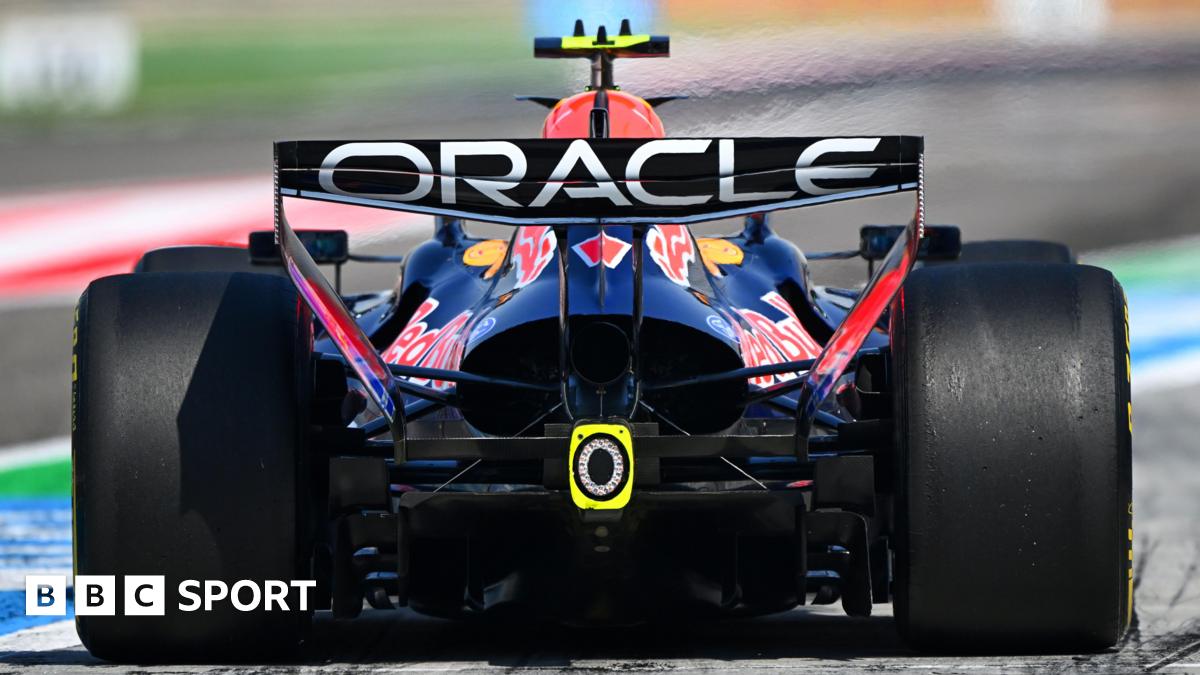
The rear of the Red Bull car, driven by Isack Hadjar
TL;DR
– From 2027 Formula 1 will raise ICE power by 50 kW (67 bhp) and reduce hybrid electric output by the same amount, a move prompted by driver criticism of the current 50‑50 power split.
Context The 2026 power‑unit formula introduced a near‑equal split between internal‑combustion engine (ICE) and electric motor output. Drivers argue that mandatory energy‑recovery tactics, such as harvesting power while on full throttle, blunt acceleration before corners and dilute the pure‑speed feel of qualifying laps.
Key Facts - A meeting of teams, the commercial rights holder and the FIA (the sport’s governing body) agreed to shift 50 kW from the electric system to the ICE for the 2027 season. The change is intended to let drivers apply throttle more conventionally during qualifying. - Lando Norris described the adjustment as “a small step in the right direction” but said it falls short of what Formula 1 should represent, noting that drivers still face penalties for running flat‑out. - The current 50‑50 power split and strict energy‑management rules have been cited by multiple drivers as reducing the strategic challenge of qualifying sessions.
What It Means Increasing ICE output by 50 kW will raise total engine power while the corresponding drop in electric assistance should simplify throttle application. Teams will need to redesign engine maps and possibly adjust cooling and fuel‑delivery systems, but the core chassis is expected to remain unchanged to control costs. The reduction in electric power will lessen the need for on‑the‑fly energy harvesting, meaning drivers can stay on full throttle longer before braking zones, especially on circuits that are not severely energy‑starved.
The FIA has said the technical details will be refined in upcoming working groups involving manufacturers and teams. While the shift promises a more traditional driving feel, it also raises questions about how quickly manufacturers can adapt existing power‑unit designs and whether the change will affect reliability or fuel consumption.
Looking ahead, monitor the technical briefings in the coming months for final specifications and watch the first 2027 qualifying sessions to see whether the power balance restores the high‑speed challenge drivers demand.
Continue reading
More in this thread
Former Mountain West Standouts Jaden Henley and M.J. Collins Aim to Raise Draft Stock at 2026 G‑League Combine
Marcus Cole
Edwards Returns to Starting Lineup, Posts 18.5 PPG in Playoffs
Marcus Cole
Henley and Collins Aim to Boost Draft Stock at Chicago G-League Combine
Marcus Cole
Conversation
Reader notes
Loading comments...