F1 to Shift 2027 Power Units to 60/40 Split, Adding 50 kW to ICE
Formula 1 will boost internal combustion power by 50 kW and cut electric output to 300 kW for 2027, moving to a 60/40 power split.
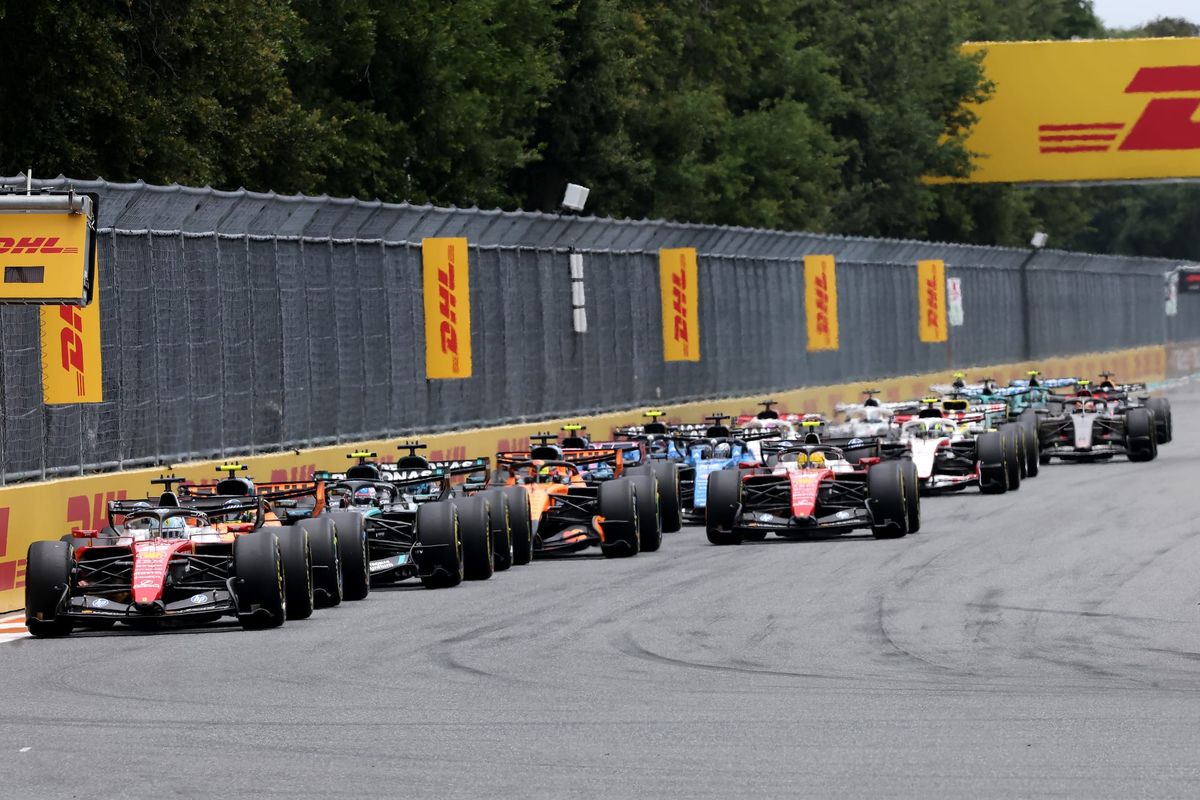
*TL;DR: 2027 Formula 1 power units will deliver roughly 60 % of power from the internal combustion engine and 40 % from electric systems, with the ICE gaining 50 kW and the electric motor dropping to 300 kW.
Context The sport’s governing body, the FIA, and team representatives have agreed in principle to overhaul the hybrid power‑unit formula for the 2027 season. The current 50/50 split—equal power from the gasoline engine and the electric motor—has been criticised for limiting on‑track performance and driver feel.
Key Facts - The new layout targets a 60/40 balance, favouring the internal combustion engine (ICE). - ICE power will rise by 50 kW, achieved by allowing a higher fuel‑flow rate. - The electric component’s maximum output will be reduced from 350 kW to 300 kW. - Teams and power‑unit manufacturers will continue detailed technical talks before the final package is locked in.
What It Means Increasing ICE output while trimming electric assistance should let cars run at higher throttle for longer stretches, reducing the “energy‑starved” phases that have plagued recent races. A larger fuel flow also implies bigger fuel tanks, prompting chassis adjustments to accommodate the extra volume.
Drivers are expected to experience a more linear power delivery, with fewer abrupt shifts between engine and motor output. Teams will need to recalibrate cooling, aerodynamics and gearbox ratios to match the new power curve.
The FIA stresses that the proposal remains subject to further refinement in technical working groups, followed by formal approval through the F1 Commission, the Power Unit Advisory Committee and the World Motor Sport Council.
Looking Ahead Watch for the detailed specifications that will emerge from the upcoming technical meetings and for how manufacturers adapt their hybrid systems to meet the 2027 targets.
Continue reading
More in this thread
Former Mountain West Standouts Jaden Henley and M.J. Collins Aim to Raise Draft Stock at 2026 G‑League Combine
Marcus Cole
Edwards Returns to Starting Lineup, Posts 18.5 PPG in Playoffs
Marcus Cole
Henley and Collins Aim to Boost Draft Stock at Chicago G-League Combine
Marcus Cole
Conversation
Reader notes
Loading comments...