EU SAF Mandates Target 0.3% Fuel Share Despite High Costs
EU sets minimum sustainable aviation fuel quotas for airlines as SAF remains just 0.3% of global jet fuel and costs 3‑5× more than kerosene.
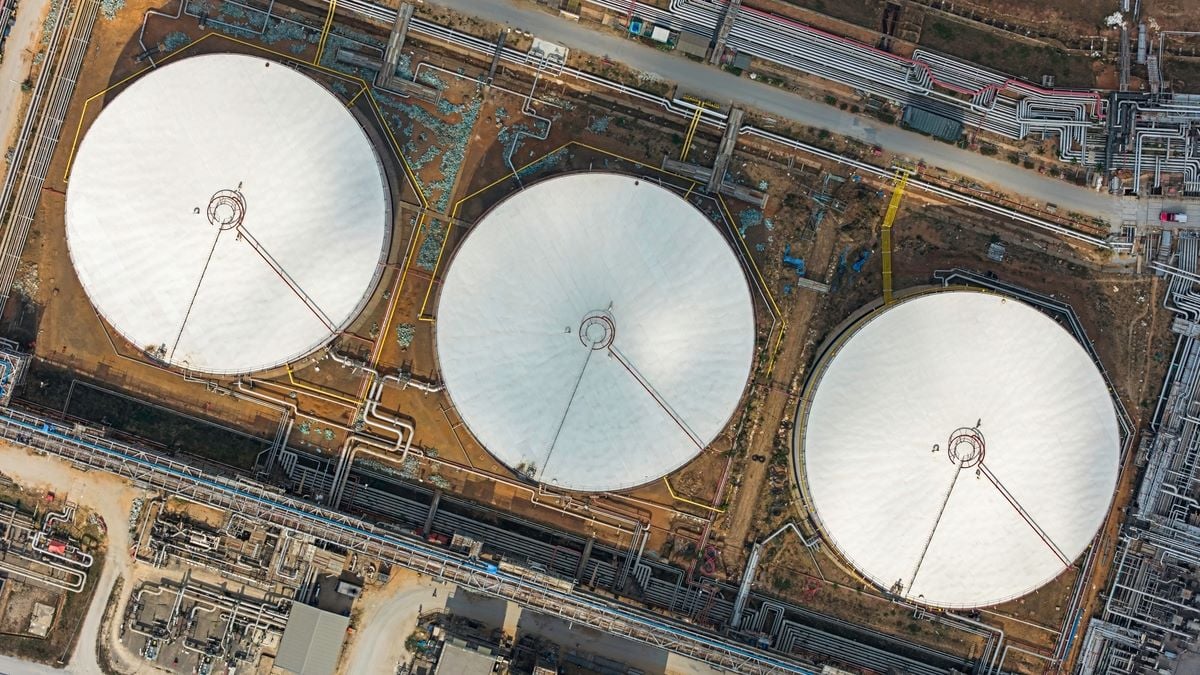
TL;DR: The EU now requires airlines to use a minimum share of sustainable aviation fuel, though SAF today supplies only 0.3% of global jet fuel and costs three to five times more than conventional kerosene. The policy aims to lift that share despite the cost gap.
Context
Aviation’s medium‑ and long‑haul flights depend on liquid fuels because batteries lack the energy density needed for large aircraft. Sustainable aviation fuel (SAF) is a synthetic jet fuel made from captured carbon dioxide and hydrogen via Fischer‑Tropsch synthesis; it is chemically identical to conventional kerosene and works in existing engines and infrastructure.
Key Facts
Sustainable aviation fuel accounts for just 0.3% of all aviation fuel used worldwide. SAF costs three to five times more than regular jet fuel. The European Union has mandated that airlines blend a minimum share of SAF into their fuel supply.
What It Means
The mandate will force airlines to purchase higher‑priced SAF, likely increasing operating expenses that may be passed to travelers through ticket fees. To meet the quota, carriers will seek long‑term supply contracts, driving investment in SAF production facilities that rely on renewable energy. Over time, expanded production could narrow the price gap, but the timeline remains uncertain.
Watch for how the EU’s upcoming review of SAF quotas in 2026 influences global fuel prices and airline compliance strategies.
Continue reading
More in this thread
Cosaic Secures $6M to Scale Yeast‑Based Emulsifier Targeting Dairy and Egg Additive Replacement
Elena Voss
Kettering Pop-Up Shop Offers Free Essentials Amid Cost-of-Living Pressures
Elena Voss
Iran War Triggers Fuel Crisis, Shuts 450 Ceramics Factories in India’s Morbi Hub
Elena Voss
Conversation
Reader notes
Loading comments...