EU Rejects UK Goods-Only Single Market, Points to £9bn SPS‑ETS Deal
EU officials dismissed the UK’s goods-only single market proposal, suggesting a customs union or EEA alignment instead. They noted a separate food‑SPS and emissions‑trading deal could boost the UK economy by £9bn annually by 2040.
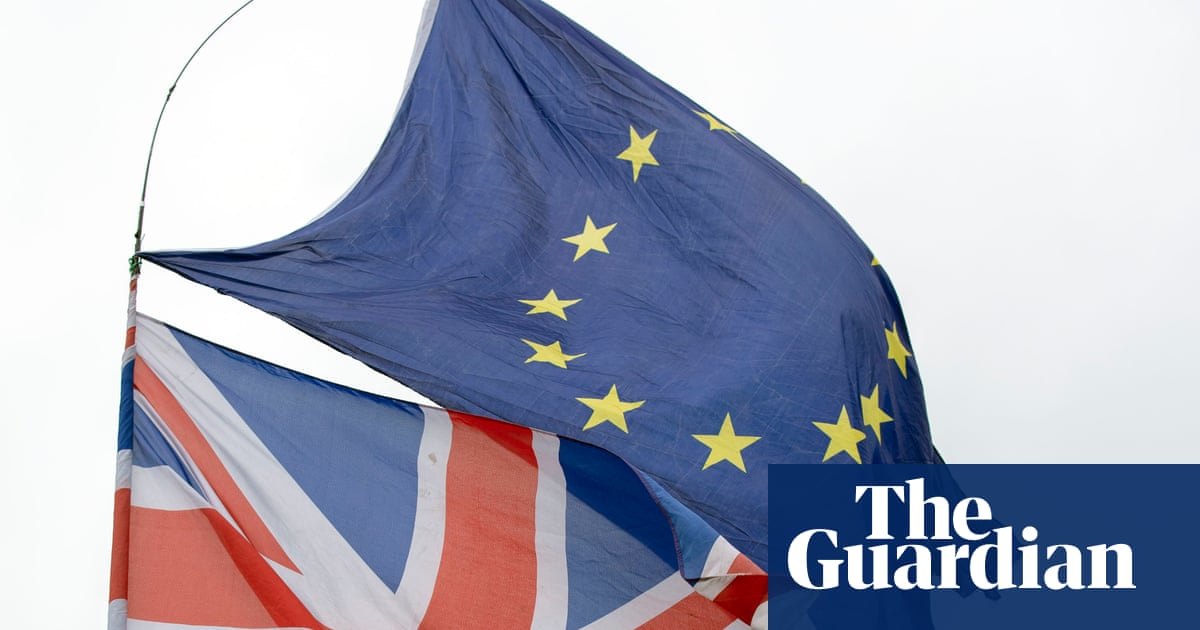
TL;DR: The EU dismissed the UK’s proposal for a goods-only single market, favoring a customs union or EEA alignment instead. Officials said a separate food‑SPS and emissions‑trading deal could add £9bn a year to the UK economy by 2040.
The UK government pitched a single market for goods as a way to reintegrate British trade with Europe without accepting free movement of people. Cabinet Office official Michael Ellam presented the idea during recent Brussels visits.
EU officials rejected the goods‑only approach, saying it would undermine the bloc’s single‑market principles and could encourage Eurosceptic movements elsewhere. They suggested a customs union or alignment through the European Economic Area (EEA), which includes free movement of people.
Labour leader Keir Starmer has ruled out rejoining the EU, the single market, or a customs union in his lifetime, and also rejects the EEA because it requires free movement. These red lines limit the UK’s options for deeper trade ties.
Despite the rejection, both sides aim to announce three deals at a forthcoming summit: a veterinary (SPS) agreement to ease food, drink and animal‑product trade; a link between the UK and EU emissions‑trading schemes (ETS); and progress on a youth mobility programme.
The UK government estimates that the SPS and ETS deals alone could boost the UK economy by £9bn each year by 2040, according to a Cabinet Office spokesperson.
EU officials say they are still willing to conclude the SPS and ETS agreements and are discussing defence‑industry cooperation, including UK participation in the EU’s €90bn loan for Ukraine.
The dismissal signals that the UK will need to pursue sector‑specific accords rather than a broad goods‑only single market if it wants to avoid Labour’s red lines. Such sector deals may provide modest economic gains without triggering internal EU debates about preferential treatment.
Analysts warn that any perceived special deal for the UK could embolden Eurosceptic candidates in other member states, potentially affecting EU budget debates and future enlargement discussions.
Looking ahead, the next UK‑EU summit, tentatively set for 13 July, will test whether the sides can finalize the SPS, ETS and youth‑mobility agreements and set a framework for deeper defence cooperation.
Continue reading
More in this thread
NYSC Advises Female Corps Members to Avoid Henna Before Biometric Registration
Nadia Okafor
FCC Asks Public If ABC's The View Should Be Counted as News
Nadia Okafor
Pakistan’s Army Chief Arrives in Tehran as US Reports Slight Progress and EU Moves to Sanction Hormuz Blockade
Nadia Okafor
Conversation
Reader notes
Loading comments...