EU Approves 90‑Billion‑Euro Loan for Ukraine While Adopting 20th Sanctions Package as Russia Calls Measures Illegitimate
The EU has approved a €90B loan for Ukraine and its 20th sanctions package on Russia. Moscow argues only UN Security Council sanctions are legitimate.
TL;DR
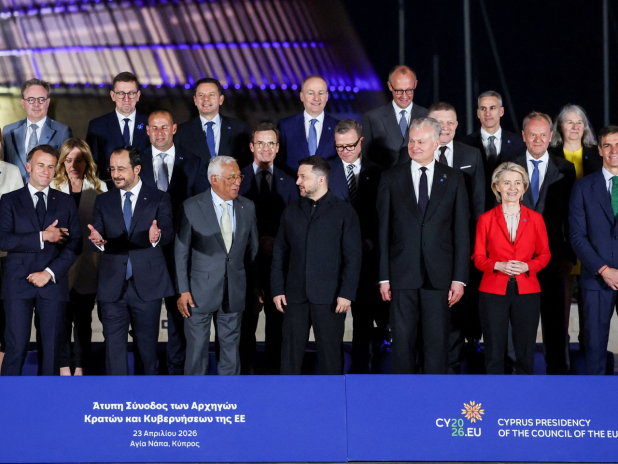
The European Union approved a 90-billion-euro loan for Ukraine and adopted its 20th sanctions package against Russia. Russia denounced these measures as illegitimate, stating only UN Security Council-approved sanctions hold legal standing.
Context The European Union continues its multi-pronged response to the ongoing conflict in Ukraine. This week saw significant financial and punitive actions aimed at supporting Kyiv while increasing pressure on Moscow. These steps underscore the bloc's commitment to its stated policy objectives.
Key Facts The EU formally approved a 90-billion-euro loan package for Ukraine. This financial aid will cover approximately two-thirds of Ukraine's projected financial needs for the 2026-2027 period. The loan disbursement includes conditions, such as adherence to rule of law principles and anti-corruption efforts.
Simultaneously, the EU adopted its 20th package of sanctions targeting Russia. This decision followed Slovakia and Hungary withdrawing their opposition, which occurred after the resumption of oil flows through the Druzhba pipeline, a key energy conduit. This package builds on previous measures aimed at restricting Russia's economic capacity.
In response, Russian diplomats at their mission to the European Union called these new measures illegitimate. They assert that only sanctions imposed by a decision of the UN Security Council are legitimate under international law. Other sanctions, they state, represent unilateral coercive measures and contradict the UN Charter.
What It Means This substantial loan aims to provide critical financial stability for Ukraine over the next two years, supporting its ongoing governmental functions and recovery efforts. The EU's continued implementation of sanctions signals its resolve to use economic pressure, despite objections from Moscow. The differing views on sanction legitimacy highlight a fundamental divergence in international legal interpretations between the EU and Russia.
Observers will track the implementation of Ukraine's loan conditions and the full economic impact of the EU's latest sanctions. The ongoing dialogue regarding the legality of unilateral sanctions also remains a key point of geopolitical contention.
Continue reading
More in this thread
DOJ Watchdog Launches Probe Into Epstein Files Release Amid Poll Showing Majority Suspect Trump Cover‑Up
Nadia Okafor
Only Four States Have VMT Mitigation Laws, But Maryland’s Refiled Bill Raises the Threshold to $100 Million
Nadia Okafor
RFK Jr.’s germ theory denial challenged and fact‑checked in Senate hearing
Nadia Okafor
Conversation
Reader notes
Loading comments...