EU adopts 20th sanctions on Russia and approves €90 billion loan for Ukraine
The EU enacted its 20th sanctions package against Russia after Slovakia and Hungary dropped opposition, and approved a €90 billion loan to cover about two‑thirds of Ukraine’s 2026‑2027 financing needs.
TL;DR
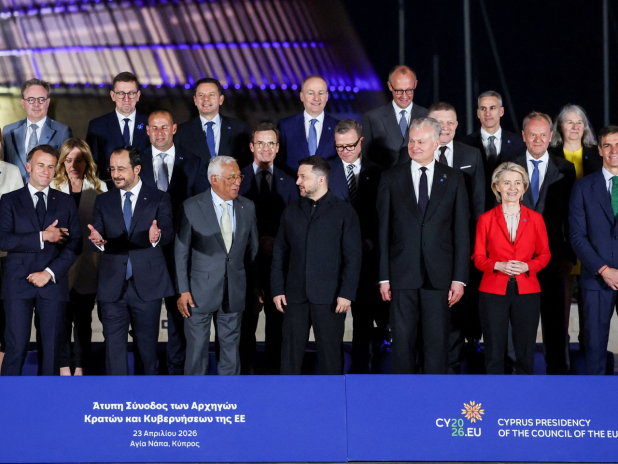
The European Union adopted its 20th sanctions package against Russia after Slovakia and Hungary lifted their objections, and simultaneously approved a €90 billion loan to Ukraine that will cover roughly two‑thirds of the country’s financing needs for 2026‑2027. Russian officials denounced the measures as illegitimate without UN Security Council backing.
Context
The EU’s latest sanctions package marks the twentieth round of restrictive measures aimed at Moscow since the start of its full‑scale invasion of Ukraine. After months of internal disagreement, Slovakia and Hungary withdrew their opposition, allowing the bloc to move forward. The decision came as the Druzhba oil pipeline resumed flows, easing concerns that the sanctions would disrupt energy supplies to Central Europe. This procedural shift cleared the way for a unanimous vote among the remaining member states.
Key Facts
Officials confirmed that the new package targets additional sectors of the Russian economy, including finance, technology and transport, while maintaining existing restrictions on energy exports. In parallel, the EU Council formally approved a €90 billion loan facility for Ukraine. The amount is designed to meet about two‑thirds of Kyiv’s projected budgetary and defence‑industrial needs for 2026 and 2027, with disbursements tied to governance reforms such as rule‑of‑law compliance and anti‑corruption measures. Russian diplomats at the EU mission responded swiftly, stating that only sanctions authorized by the UN Security Council carry legitimacy under international law. They labelled the EU actions unilateral, illegal and a form of economic blackmail that infringes on the rights of third countries.
What It Means
For Ukraine, the loan provides a substantial financial buffer that could avert the looming cash shortfall forecast for mid‑2025, allowing the government to sustain public services and defence spending without immediate drastic cuts. For the EU, the package demonstrates a capacity to overcome internal dissent and sustain pressure on Russia, though the effectiveness hinges on enforcement and the willingness of member states to comply with secondary restrictions. Moscow’s rejection underscores the continuing legal dispute over the legitimacy of extraterritorial sanctions, a debate likely to resurface in UN forums and potentially influence future diplomatic negotiations. What to watch next: the timeline for loan disbursements, any additional sanctions proposals from the EU, and how the UN Security Council responds to Russia’s calls for a formal sanctions mandate.
Continue reading
More in this thread
Only Four States Have VMT Mitigation Laws, But Maryland’s Refiled Bill Raises the Threshold to $100 Million
Nadia Okafor
RFK Jr.’s germ theory denial challenged and fact‑checked in Senate hearing
Nadia Okafor
DOJ Watchdog Launches Probe Into Epstein Files Release Amid Cover‑Up Allegations
Nadia Okafor
Conversation
Reader notes
Loading comments...