EU’s €90 billion Ukraine loan tied to Russian oil flow through Druzhba
EU's €90 billion loan to Ukraine depends on keeping Russian oil moving through the Druzhba pipeline to Hungary and Slovakia, sparking criticism.
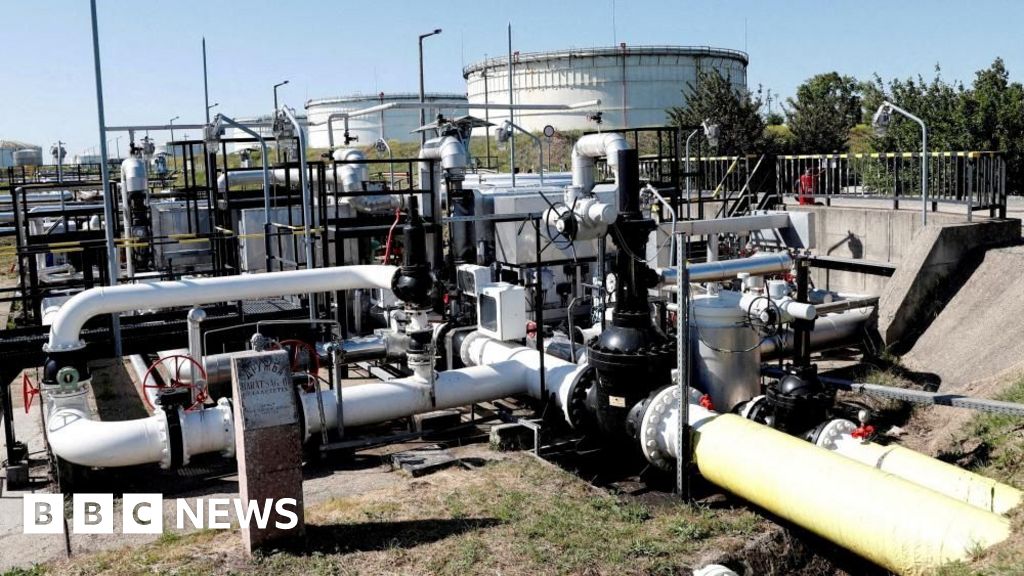
The Druzhba oil pipeline between Hungary and Russia is seen at the Hungarian MOL Group's Danube Refinery in Szazhalombatta, Hungary, May 18, 2022
TL;DR: The EU unlocked a €90 billion loan for Ukraine on the condition that Russian oil continues to flow through the Druzhba pipeline to Hungary and Slovakia, a deal critics call a win‑lose scenario.
Context On April 23 the European Union approved a €90 billion (about $105 billion) loan to help Ukraine finance its defence for the next two years. The funding arrived only after Kyiv repaired the Druzhba pipeline, the main conduit for Russian crude to Central Europe. Hungary and Slovakia, the only EU members still importing Russian oil via that line, demanded the flow remain open as a precondition for lifting their veto.
Key Facts Last year Hungary and Slovakia together received 9.25 million tonnes of Russian oil through Druzhba, worth more than $4 billion. The pipeline supplies their refineries and a range of petroleum products such as naphtha for fertiliser and asphalt. Other EU states—Austria, Czechia, Germany and Poland—have already weaned off the line, relying on alternative imports or pipelines. Ukrainian MP Inna Sovsun, a member of the energy committee, warned that the arrangement forces Ukraine to fund its own defence while allowing the aggressor to profit. She called the deal “immoral” and “a losing deal.” The EU has banned Russian seaborne crude and refined products, but kept a narrow exception for pipeline oil until the European Council decides otherwise. Hungary’s prime minister Viktor Orban and Slovakia’s Robert Fico framed the oil flow as a geopolitical bargaining chip, noting that the pipeline was halted after a Russian air strike damaged a pumping station in January.
What It Means The loan’s conditionality ties Ukraine’s survival to continued Russian revenue, complicating the EU’s sanctions strategy. Hungary and Slovakia secure cheap crude for their economies, but the arrangement undermines the broader goal of cutting Russia’s oil earnings. As the EU debates extending the pipeline exemption, the next flashpoint will be whether the Council lifts the ban on Russian pipeline oil, potentially reshaping the financial calculus for both Kyiv and Moscow.
Continue reading
More in this thread
Prosecutor Links ‘El Money’ to Coordinated Arson Targeting Starmer’s Properties
Nadia Okafor
Starmer, Khan Condemn Stabbing of Two Jews in London Amid Rising Antisemitic Incidents
Nadia Okafor
JAMB Extends Direct Entry Form Sale to May 8 and Adds Five Registration Centres
Nadia Okafor
Conversation
Reader notes
Loading comments...