E.On prepares up to £600 million bid for Ovo energy
E.On’s proposed £600 million acquisition of Ovo would create a supplier serving about 9.6 million households, with promises of no service disruption and tariff guarantees.
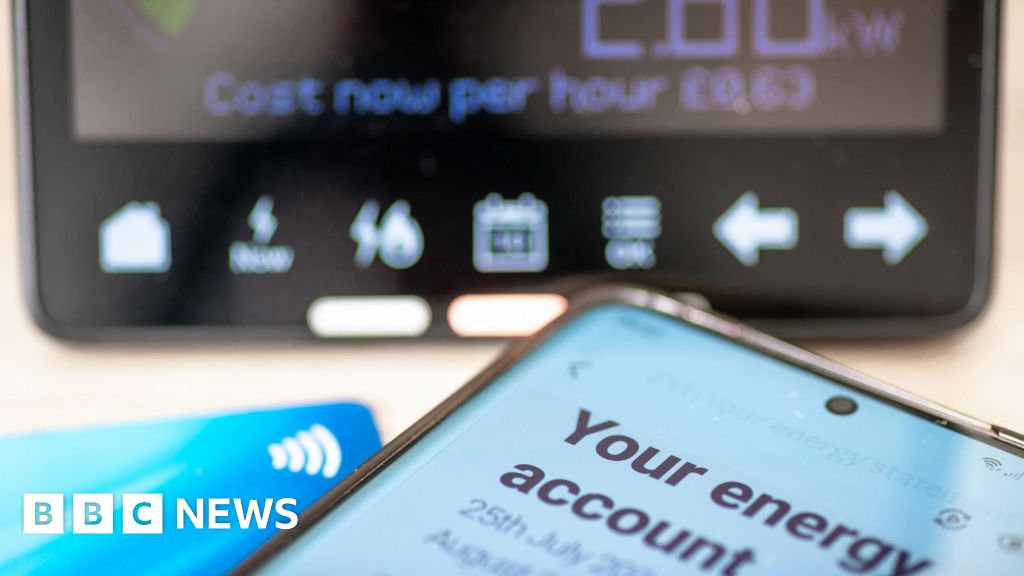
Energy account on phone next to bank card and in front of smart meter reading.
TL;DR
E.On is preparing a bid worth as much as £600 million to acquire Ovo, which would create a supplier serving about 9.6 million households.
Context E.On and Ovo are two of Britain’s larger retail energy providers. The sector has seen consolidation as firms seek scale to invest in renewables and grid flexibility. Regulators scrutinise such deals to protect competition and consumer interests. Past energy mergers have triggered reviews lasting several months before approval. The deal will also be assessed for its impact on renewable energy commitments made by both firms.
Key Facts E.On currently supplies electricity and gas to 5.6 million customers, while Ovo serves four million. If the transaction proceeds, the combined entity would reach roughly 9.6 million accounts. The offer could be valued at up to £600 million, though the final price remains subject to negotiation. Both companies have said existing tariffs will be honoured for the duration of current contracts. Emily Seymour, energy editor at consumer group Which?, told Ovo customers not to panic, saying their gas and electricity supply would continue unchanged and no action is required from them. She also noted that customers retain the right to switch supplier if they wish.
What It Means The deal would position the merged company as a direct challenger to Octopus Energy for the title of Britain’s biggest supplier, depending on how dual‑fuel accounts are counted. Both firms have pledged no service interruption during the regulatory review and promised to honour existing fixed‑rate contracts. Should the acquisition clear antitrust checks, integration of billing systems and customer service platforms would likely begin later this year. Analysts will watch the regulator’s decision timeline and any updates on workforce plans as the next steps. Market observers also note that a larger combined entity could influence pricing trends in the wholesale sector. They will also monitor any changes to customer service ratings during the transition.
Continue reading
More in this thread
Conversation
Reader notes
Loading comments...