England’s Public Toilet Supply Falls 14% in Ten Years, Leaving Over 15,000 People Per Facility
England's public toilet provision has dropped 14% since 2016, leading to 15,481 people sharing each facility. This decline impacts public health and urban environments across the country.
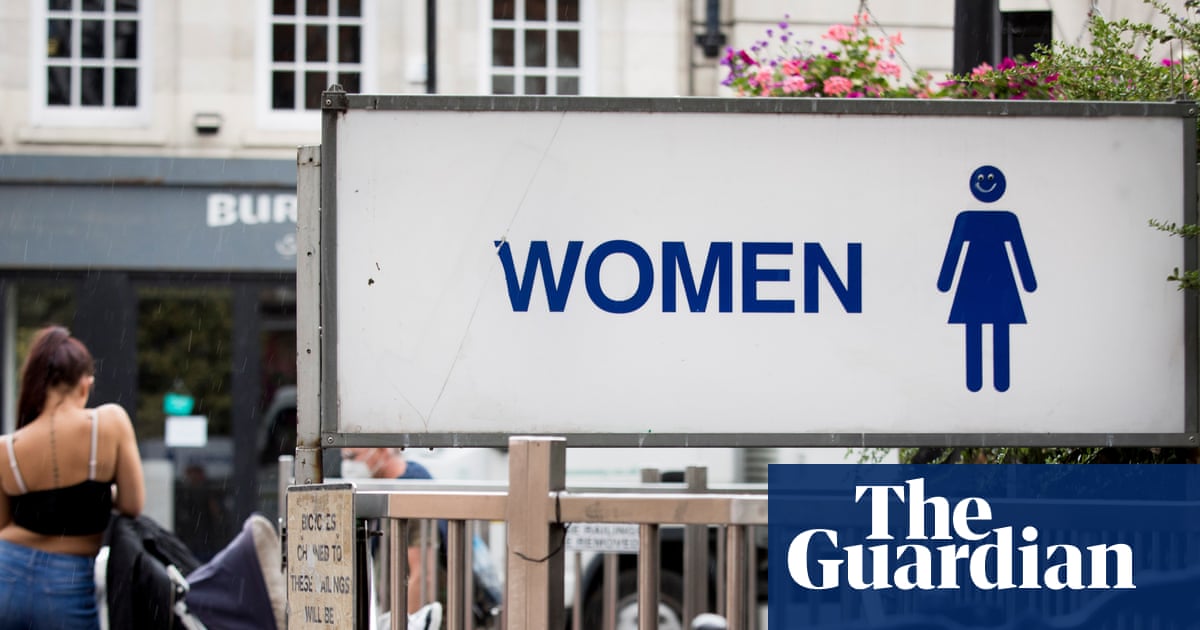
TL;DR
England's public toilet provision has decreased by 14% since 2016, resulting in approximately 15,481 people sharing each facility, a significantly higher ratio than in Scotland or Wales.
England faces a critical decline in public toilet accessibility, impacting both public health and the quality of urban environments. A recent analysis reveals a substantial shortfall in available facilities across the country, creating challenges for residents and visitors alike. This reduction in provision raises concerns about sanitation and the usability of public spaces.
Public toilet numbers in England have fallen by 14% since 2016, according to an analysis by the Royal Society for Public Health (RSPH). This assessment utilized 221 freedom of information responses gathered from 309 English councils. This decline results in an average of 15,481 people per public toilet in England. This figure stands in stark contrast to other UK nations, where Scotland reports approximately 8,500 people per facility, and Wales maintains a ratio of 6,748 people per facility. William Roberts, Chief Executive of the RSPH, has described the current provision of one public toilet per 15,000 people as inadequate, warning that this ratio will worsen without proactive measures. The correlation between fewer facilities and increased public urination creates less hygienic conditions, impacting the overall public realm. For many, the scarcity of accessible toilets can influence daily decisions, potentially leading to restricted fluid intake or avoidance of public outings altogether.
The current trajectory suggests a continued deterioration in access to this fundamental public amenity. This disparity in provision across the UK underscores the urgent need for targeted strategies within England. Practical implications for the public include potential health impacts from fluid restriction and reduced participation in community life. Without intervention, public spaces may become less inviting and less sanitary. Future developments will likely center on proposed policy changes for local authorities, potentially including duties to ensure sufficient provision and requirements for developers to incorporate public toilets into new non-residential projects. Monitoring these policy discussions and funding allocations will be crucial to understand how England plans to address this growing public health and environmental challenge.
Continue reading
More in this thread
EU and AU Deploy €100 Million to Strengthen Africa’s Disease Surveillance and Digital Health
Dr. Priya Sharma
EU and AU Launch €100 Million Health Package to Boost Africa’s Disease Surveillance and One‑Health Workforce
Dr. Priya Sharma
Tennessee Legislature Passes Bill to Limit PBM-Owned Pharmacies, Heads to Governor
Dr. Priya Sharma
Conversation
Reader notes
Loading comments...