England’s Public Toilet Supply Drops 14%, Leaving About 15,500 People Per Facility
Public toilet availability in England fell by 14% over ten years, resulting in a ratio of 15,481 residents per facility, impacting public health and urban access.
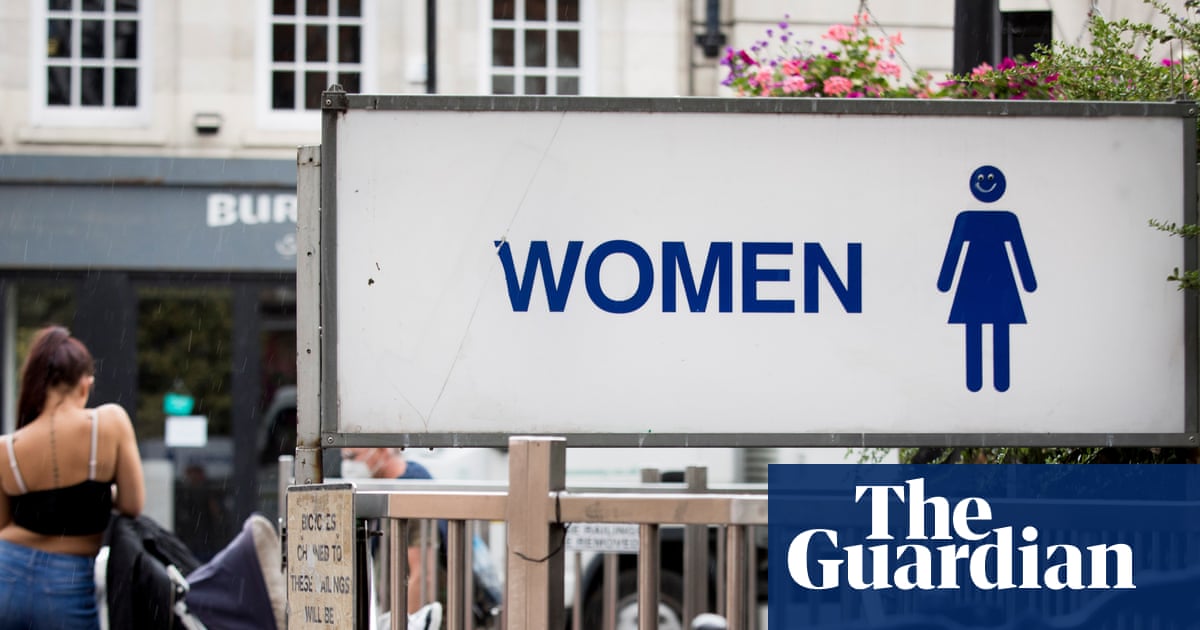
**TL;DR** England's public toilet availability decreased by 14% over a decade, resulting in approximately 15,500 residents per facility, which impacts public health and community access.
Access to public facilities impacts daily life for millions across England. Over the past decade, the nation has experienced a notable reduction in its public toilet infrastructure, altering how residents navigate public spaces.
Public toilet provision across England decreased by 14% over the last ten years. This decline leaves approximately 15,481 residents for each public toilet available. These figures stem from an analysis by the Royal Society for Public Health, which compiled 221 freedom of information requests from 309 English councils regarding local provision.
The shortfall affects public health and restricts mobility for various demographic groups. Older people, individuals with disabilities, and those with specific medical conditions face increased barriers to leaving their homes, impacting social inclusion and well-being. Reduced access to public toilets correlates with increased public urination, contributing to unsanitary urban environments.
William Roberts, CEO of the Royal Society for Public Health, highlighted the issue, stating that access to public toilets is a universal need that warrants open discussion. This situation also impacts local economies, as some individuals report avoiding high streets due to facility shortages. Local authorities face challenges, including funding pressures and high maintenance costs, which contribute to facility closures.
Policy discussions now focus on how local authorities, supported by central government, might reverse this trend and ensure adequate provision for all citizens. Observers will watch for legislative changes or funding initiatives aimed at rebuilding this essential public amenity.
Conversation
Reader notes
Loading comments...