Elon Musk Projects 10 Billion Humanoid Robots Valued at $250 Trillion by 2040
Elon Musk predicts at least 10 billion humanoid robots by 2040 worth $250 trillion, while Bill Gates calls AI the biggest technological advance of his lifetime.
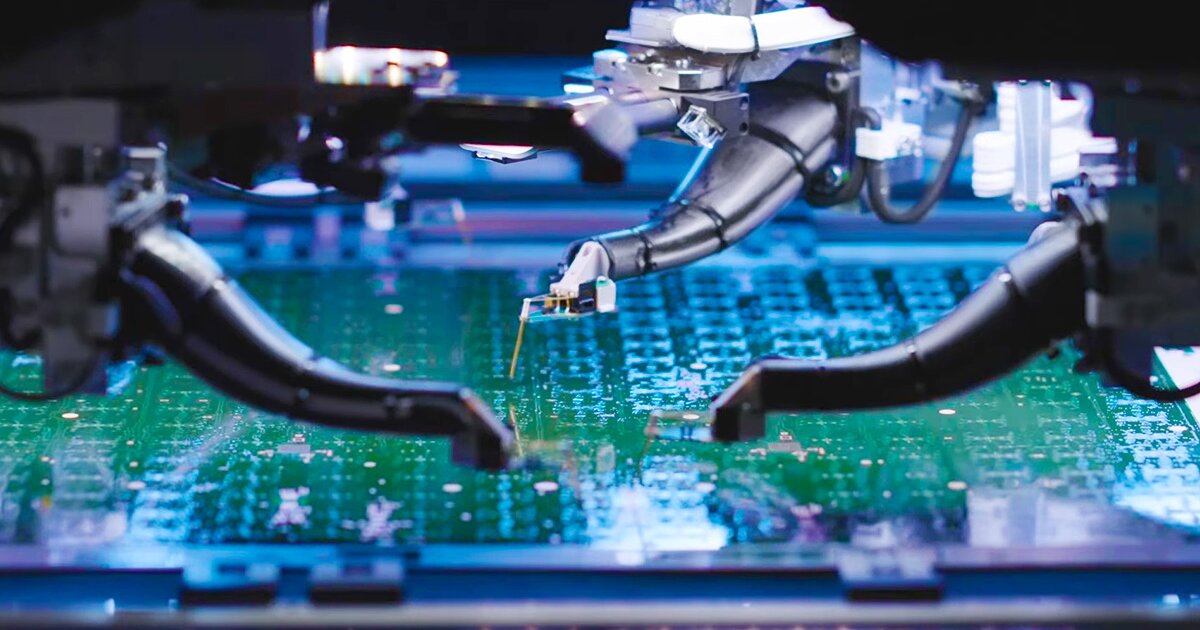
With Terafab, Musk wants to create the largest chip manufacturing facility ever
TL;DR
Elon Musk predicts at least 10 billion humanoid robots will exist by 2040, each priced between $20,000 and $25,000. He estimates the sector could be worth $250 trillion, while Bill Gates calls AI the biggest advance of his lifetime.
Context: At the 8th Future Investment Initiative conference, Musk outlined his vision for humanoid robots, saying the technology could reshape labor and manufacturing. He gave a price range for each unit and a total market value. The forecast places the robot market on par with the combined valuations of several major tech firms, illustrating the scale he anticipates. Musk’s remarks join a broader chorus of tech leaders who see artificial intelligence as a transformative force. Bill Gates, speaking separately, characterized AI as the most significant technological shift he has witnessed, noting its potential to affect health care, schooling, and climate efforts. His comment underscores the widespread belief that AI-driven systems will underpin future economic growth.
Key Facts: Musk’s projection of at least 10 billion units translates to a lower‑bound cost of $200 billion (10 billion × $20,000) and an upper‑bound of $250 billion if each robot costs $25,000. However, he argues the cumulative value of the ecosystem—including software, services, and infrastructure—could reach $250 trillion by 2040. That figure dwarfs today’s global GDP, which is roughly $105 trillion, and exceeds the combined market capitalization of companies such as Tesla, Amazon, Meta, Alphabet, Microsoft, and Nvidia. The estimate relies on assumptions about widespread adoption across industries and continuous declines in production costs.
What It Means: If the forecast materializes, humanoid robots could become a regular presence in factories, warehouses, and even homes, altering how goods are produced and services delivered. Policymakers would need to address workforce transitions, safety standards, and ethical considerations surrounding autonomous machines. Investors are already allocating capital to AI hardware, robotics startups, and related software platforms, anticipating long‑term growth. The scale Musk describes suggests that even a fraction of the predicted value could generate substantial returns for early backers. Skeptics note that achieving ten billion units requires overcoming supply chain bottlenecks, regulatory hurdles, and consumer acceptance. Nonetheless, the convergence of AI advances and falling component prices keeps the scenario within the realm of possibility for some analysts. Watch for upcoming prototype releases from robotics firms and policy discussions on AI governance over the next 12‑24 months.
Continue reading
More in this thread
ChatGPT-Assisted Defense Wins Fraud Case for German Citizen, Marking First AI-Led Legal Victory in Germany
Alex Mercer
Elon Musk's $250 Trillion Humanoid Robot Forecast Draws Wall Street Attention
Alex Mercer
Delhi Unveils Semiconductor Policy Aiming for 70‑75% Domestic Chip Self‑Sufficiency by 2029
Alex Mercer
Conversation
Reader notes
Loading comments...