Egypt Plans 2,500 MW Renewable Boost by 2026, Targets 42% Clean Power by 2030
Egypt plans to add 2,500 MW of renewable energy by 2026 and target at least 42% clean power by 2030, integrating new capacity into the unified grid to improve efficiency and ensure stable supply.
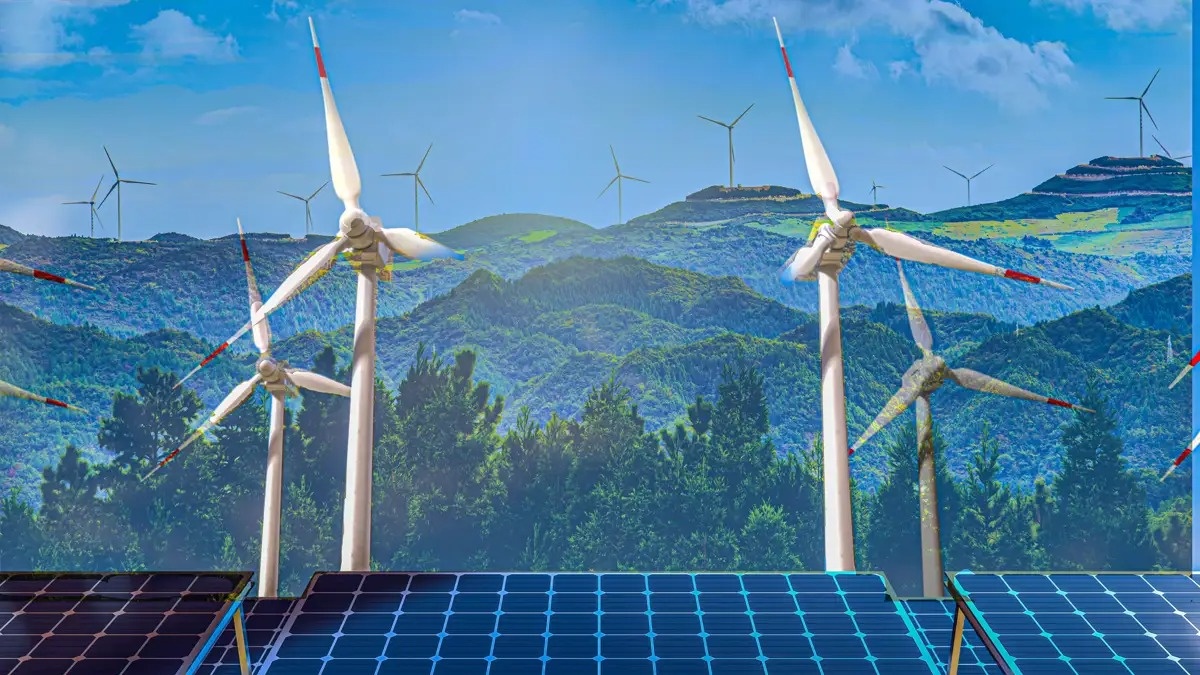
**TL;DR:** Egypt will add 2,500 megawatts of renewable energy capacity to its grid by 2026 and aims for renewables to supply at least 42% of electricity by 2030.
President Abdel Fattah El‑Sisi led a high‑level meeting that included Prime Minister Mostafa Madbouly and senior ministers to review the state of wind, solar and energy‑storage projects. The gathering was part of a broader push to align government agencies behind a unified clean‑energy agenda.
Officials noted that expanding renewable generation is essential to meet rising electricity demand, especially during peak periods, while reducing dependence on imported fossil fuels. The discussion also highlighted the role of energy‑storage systems in smoothing output from intermittent sources.
The government also pointed to recent financing agreements with multilateral development banks and private investors that earmark funds for renewable construction and grid upgrades. These partnerships are expected to accelerate project timelines and lower borrowing costs.
The government announced plans to integrate 2,500 MW of new renewable capacity into the unified grid within the current year. Minister of Electricity and Renewable Energy Mahmoud Esmat said this integration will improve grid efficiency and guarantee a stable electricity supply.
Egypt’s long‑term energy strategy sets a target for renewables to account for no less than 42% of total generation by 2030. This goal builds on existing wind and solar farms that already contribute a growing share of the national mix.
The renewable push is being coordinated with activities in the petroleum sector, including new exploration bids and infrastructure upgrades, to ensure that fossil‑fuel and clean‑energy developments complement rather than compete with each other.
Adding 2,500 MW will diversify Egypt’s generation portfolio, lowering the carbon intensity of its power supply and helping the country meet international climate commitments.
A more resilient grid, bolstered by storage and diversified generation, reduces the risk of blackouts during high‑demand periods, which is critical for industrial users and urban consumers.
Analysts suggest that successful implementation could attract foreign direct investment in renewable projects and position Egypt as a regional exporter of green electricity via interconnections with neighboring countries.
Stakeholders will monitor the timing of specific wind and solar tenders, the rollout of battery storage facilities, and any adjustments to incentive mechanisms that could affect the 2026 and 2030 milestones.
Conversation
Reader notes
Loading comments...