Ebola Outbreak Outpaces Response as Death Toll Rises and Hospital Attacked in DRC
WHO warns Ebola cases are outpacing response with 220 suspected deaths; a DRC hospital treating patients was stormed by angry youths.
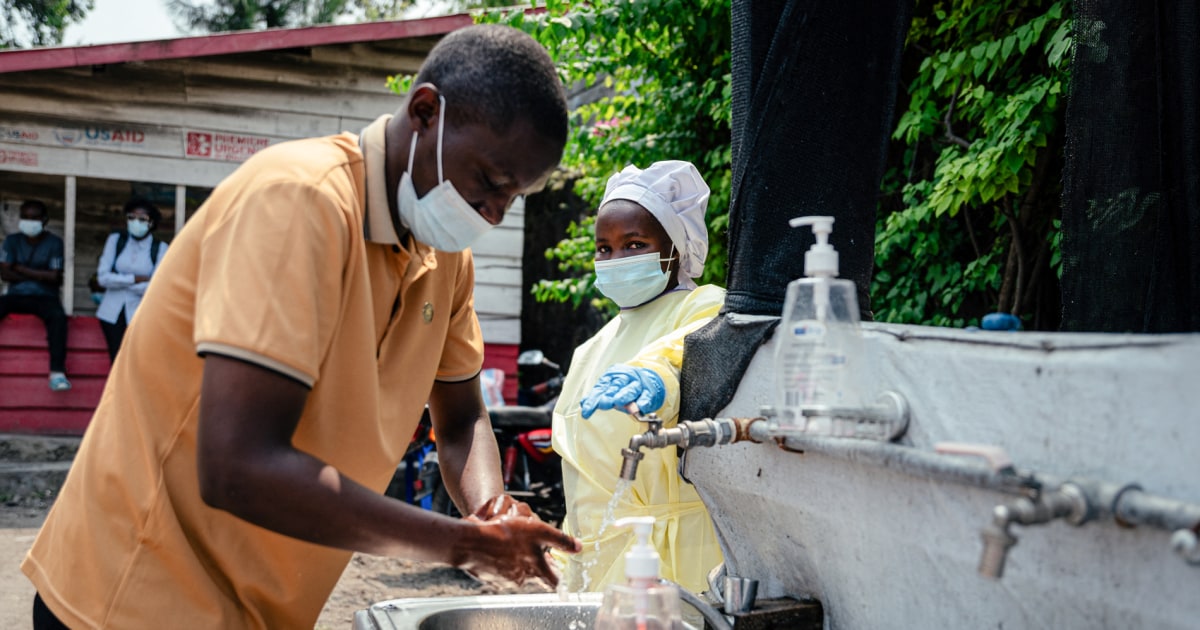
*TL;DR WHO chief says Ebola cases are outpacing response, with 220 suspected deaths and a violent attack on a DRC treatment hospital.
Context The Bundibugyo strain of Ebola, declared a public health emergency of international concern, has spread from the Ituri province of the Democratic Republic of the Congo (DRC) into neighboring Uganda. The virus spreads through direct contact with infected bodily fluids and can cause severe bleeding and organ failure.
Key Facts - WHO Director‑General Tedros Adhanom Ghebreyesus told the UN that responders are “playing catch‑up” after a delay in detecting cases. He warned that the epidemic is currently outpacing the scaled‑up response and urged bordering nations to act immediately. - Surveillance in the DRC has identified more than 900 suspected cases and 220 suspected deaths. Confirmed cases in Uganda rose to seven after two health workers in Kampala tested positive on Monday. - On Sunday, angry youths stormed Mongbwalu General Hospital in eastern DRC, forcing staff to evacuate Ebola patients amid gunfire. The attackers demanded the bodies of two relatives. No injuries were confirmed, but the incident underscores the security challenges facing treatment centers. - Earlier attacks in the region included the burning of a Médecins Sans Frontières (Doctors Without Borders) tent and the destruction of a treatment centre in Rwampara, leaving dozens of suspected patients unaccounted for. - Congolese authorities have banned funeral gatherings of more than 50 people and mandated that burials be handled by official teams, a measure that has sparked protests from families.
What It Means The surge in suspected deaths signals that case detection is lagging behind transmission, reducing the window for effective isolation and contact tracing. Violence against treatment facilities hampers patient care, drives patients underground, and threatens the safety of health workers. Without an approved vaccine or specific therapy for the Bundibugyo strain, containment relies on rapid identification, safe burial practices, and community cooperation.
Practical Takeaways - Residents in at‑risk areas should avoid contact with bodily fluids and report any suspected illness to health authorities immediately. - Families should cooperate with official burial teams to prevent unsafe handling of bodies, which can fuel further spread. - International donors and NGOs must prioritize security for treatment sites and support rapid response teams.
What to Watch Next Monitor WHO updates on case numbers and any deployment of experimental vaccines, as well as security developments around treatment centers in the DRC.
Continue reading
More in this thread
WHO Says Ebola Outbreak Outpaces Response, Deaths Reach 220, Hospital Stormed
Dr. Priya Sharma
FRSC Deploys 950 Officers and 70‑tonne Tow Truck for Eid‑el‑Kabir Traffic Safety in Kwara
Dr. Priya Sharma
Bridge Center for Hope Marks 2021 Launch and Announces May 29 Mental Health Resource Fair
Dr. Priya Sharma
Conversation
Reader notes
Loading comments...