Duffy Declines Bailout, Secures Private Fare Caps for Spirit Passengers
Transportation Secretary Sean Duffy refuses a $2.5 billion bailout for low‑cost airlines and arranges private fare caps for Spirit passengers.
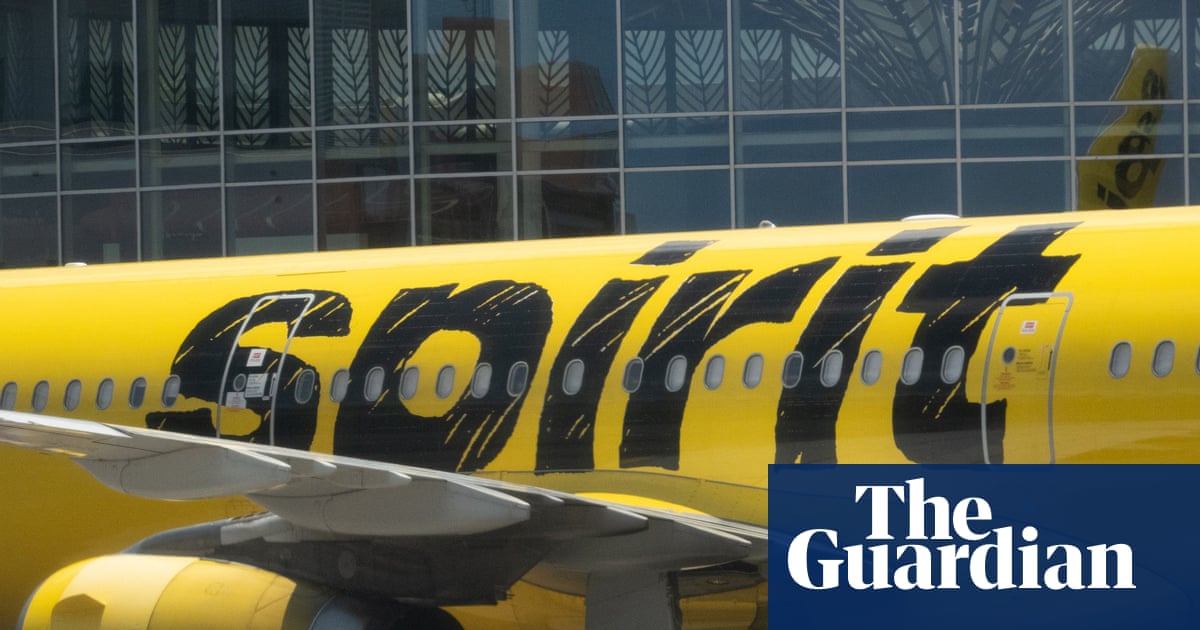
*TL;DR: Secretary of Transportation Sean Duffy says the federal government will not bail out low‑cost airlines and instead relies on private carriers to cap fares for displaced Spirit passengers.
Context The collapse of Spirit Airlines left thousands of travelers without flights and a workforce of roughly 17,000 unemployed. The airline announced an immediate wind‑down after failing to secure rescue financing, prompting the Trump administration to explore a $500 million loan that never materialized. In the wake of the shutdown, the Department of Transportation moved to mitigate passenger disruption without direct federal funding.
Key Facts - United, Delta, JetBlue and Southwest have agreed to limit ticket prices for Spirit customers who must rebook, provided they show a Spirit confirmation number and proof of payment. - Frontier will cut base fares by 50 % for affected travelers, while American and Delta will offer reduced fares on high‑volume Spirit routes. Allegiant will freeze fares on overlapping routes. - The department will extend travel‑pass benefits and spare seats to stranded Spirit pilots, flight attendants and other staff, and major carriers will create dedicated websites for preferential employment interviews. - Secretary Duffy stated that low‑cost airlines collectively seeking $2.5 billion in aid do not require a bailout, emphasizing that private‑market financing is preferable.
What It Means By leveraging existing carriers, the government avoids a direct cash outlay while still providing affordable rebooking options. The private fare caps create a de‑facto safety net for Spirit passengers, potentially preserving demand on routes that might otherwise see a sharp decline. Airlines that honor the caps could capture market share from the defunct carrier, reshaping the ultra‑low‑cost segment.
The decision also signals a broader policy stance: the Treasury will act as a lender of last resort only if private financing proves unavailable. As the airline industry adjusts, watch for how quickly carriers fill the capacity gap and whether fare‑cap agreements hold under market pressure.
Continue reading
More in this thread
Conversation
Reader notes
Loading comments...