DRC Ebola Outbreak Claims 80 Lives, Bundibugyo Strain Lacks Vaccine
Ebola's Bundibugyo strain has killed 80 in the DRC, with up to 50% fatality and no vaccine. Learn the latest facts and response measures.
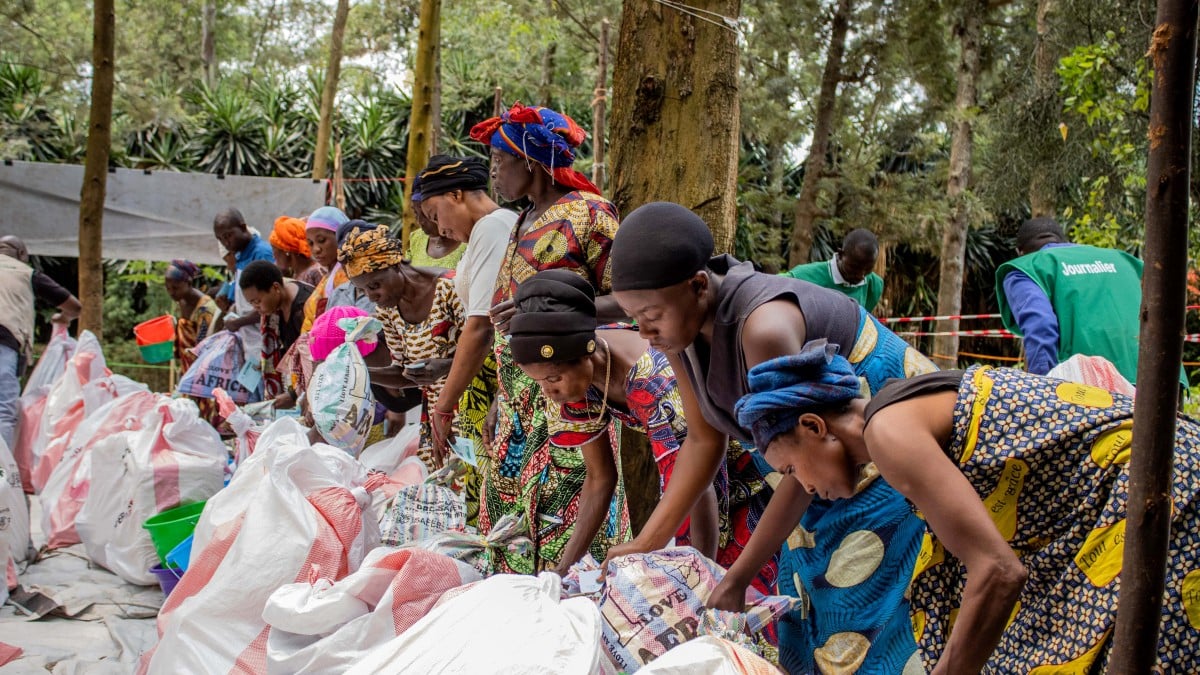
Participants in the SAFER programme collect household and hygiene kits from Concern at the Kirotshe distribution site. Photo: Concern Worldwide
TL;DR
The Bundibugyo Ebola strain has killed at least 80 people in the Democratic Republic of the Congo; it carries a lethality rate of up to 50% and has no vaccine or specific therapy.
Context The outbreak was confirmed in Ituri province on 24 April when a nurse presented Ebola‑like symptoms. Within weeks, three health zones—Bunia, Rwampara and Mongwalu—reported cases, and a death was recorded in neighboring Uganda. The Africa CDC warns that dense towns and frequent cross‑border travel could accelerate spread.
Key Facts - Death toll: 80 confirmed fatalities, up from 65 a day earlier. - Cases: Nearly 250 suspected infections across eastern DRC. - Strain: Bundibugyo, identified in 2006, has no licensed vaccine and no specific antiviral treatment. - Lethality: Health Minister Samuel‑Roger Kamba states the strain’s case‑fatality rate can reach 50%. - Laboratory confirmation: Eight of 13 tested blood samples were positive for Bundibugyo; five were inconclusive due to insufficient material. - Response: Doctors Without Borders and the International Federation of Red Cross and Red Crescent Societies are conducting screening, contact tracing, and community engagement.
What It Means The absence of a vaccine means prevention relies entirely on rapid identification, isolation, and safe burial practices. A 50% fatality rate indicates that half of confirmed cases could die without supportive care, underscoring the urgency of medical resources. The high population density and porous borders raise the risk of regional spread, a pattern observed in previous Ebola events where cross‑border movement facilitated transmission.
Practical takeaways for residents and travelers: 1. Seek immediate medical attention if fever, vomiting, or bleeding occurs after contact with sick individuals. 2. Follow local guidance on movement restrictions and avoid non‑essential travel to affected zones. 3. Support community health workers by reporting symptoms and cooperating with contact‑tracing teams.
Looking Ahead Watch for updates on vaccine trials targeting non‑Zaire Ebola strains and for any changes in cross‑border health protocols as the outbreak evolves.
Continue reading
More in this thread
CMS Halts New Medicare Home‑Health and Hospice Enrollment, Defers $1.3B to California
Dr. Priya Sharma
Uncommon Ebola Strain Fuels DRC Outbreak, Ranks Among Top Ten Historically
Dr. Priya Sharma
20-Year-Old Woman Hospitalized After Attack by 53-Year-Old in Mental Health Crisis on San Antonio’s Southwest Side
Dr. Priya Sharma
Conversation
Reader notes
Loading comments...