Documentary Fuels Push for Scottish‑Style Right to Roam in England
A new film spotlights growing demand for Scottish‑style public access as only 8% of English land is legally reachable.
TL;DR
A documentary titled *Our Land* highlights rising calls for a Scottish‑style right to roam in England, where legal public access covers just 8% of the countryside.
Context England’s countryside remains largely off‑limits to the public; activist Guy Shrubsole estimates that 92% of the land lacks a legal right to roam. The issue resurfaced after a High Court decision allowed landowners to evict campers from a 1,600‑hectare (4,000‑acre) Dartmoor estate, a ruling later reversed by the Supreme Court. The legal battle sparked nationwide protests and renewed interest in broader access rights.
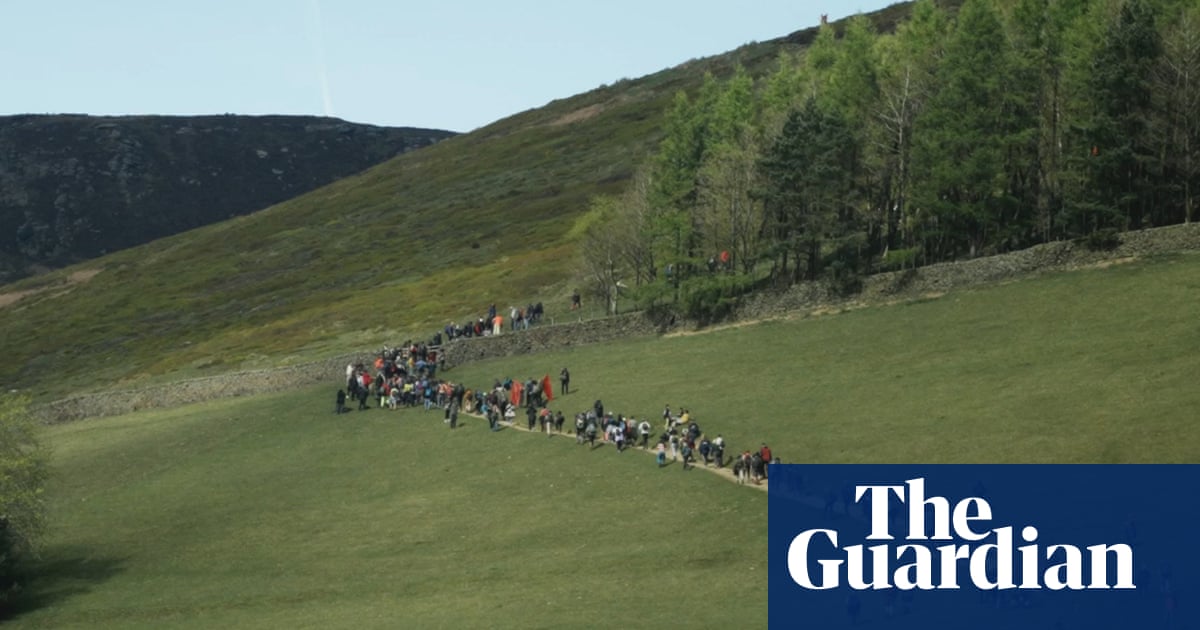
Key Facts - The 2003 Land Reform Act in Scotland grants responsible access for walking, cycling and camping across most land and inland water. Similar freedoms exist in Sweden and Norway under the “Allemansrätten” principle. - England’s current framework, the Countryside and Rights of Way Act 2000, protects access to a fraction of upland areas, leaving the majority under private control. - *Our Land*, directed by Orban Wallace, follows campaigners staging small‑scale mass trespasses on private estates and interviews landowners from Devon to Scotland. Participants range from right‑to‑roam advocates like Nick Hayes, author of *The Book of Trespass*, to landowners such as Scottish peer John Grant, who stresses responsible use, and Devon estate owner Francis Fulford, who insists access should be limited to paying visitors. - Farmers and some landowners warn that uninformed visitors can damage gates, disturb livestock and harm crops, arguing that education is essential before wider access is granted. - Government officials acknowledge a “great national pride” in the countryside but stop short of endorsing a Scottish‑style law, citing England’s denser population and different land‑ownership patterns.
What It Means The documentary amplifies a movement that began five years ago, borrowing tactics from the 1932 Kinder Scout mass trespass that helped shape modern access rights. If public pressure leads to legislation similar to Scotland’s, millions of acres of forests, meadows, rivers and wetlands could become legally open to walkers, cyclists and campers. Such a shift would require robust stewardship education and likely new funding mechanisms to address landowner concerns.
Looking Ahead Watch for parliamentary debates on extending access rights and any pilot schemes that test responsible roaming on private land.
Continue reading
More in this thread
Hungary Finalizes Cabinet as Election Results Take Effect and Parachutist Leaps from Skyscraper
Nadia Okafor
Starmer Signals Ban on 'Globalise the Intifada' Chant Amid UK Security Alert Rise
Nadia Okafor
Connecticut Legislature Passes Comprehensive AI Bill With Strong Bipartisan Support, Awaiting Governor's Signature
Nadia Okafor
Conversation
Reader notes
Loading comments...