Developed Nations Push ‘Hybrid’ Pathogen‑Sharing Plan as Developing Countries Demand Mandatory Benefit‑Sharing
Developed nations propose a hybrid model for pathogen sharing, while developing countries demand mandatory benefit-sharing for medical tools during health emergencies.
TL;DR
Developed nations have introduced a "hybrid" proposal for sharing pathogen data and benefits, offering both mandatory and voluntary measures. Developing countries, however, advocate for mandatory sharing of essential medical tools during public health emergencies.
International negotiations continue on equitable access to critical medical resources during global health crises. A new "hybrid" proposal has emerged from developed countries, seeking to resolve disagreements over how nations share information about dangerous pathogens and the benefits derived from it. This discussion centers on the Pathogen Access and Benefit-Sharing (PABS) system, an annex to the recently adopted Pandemic Agreement. The PABS system aims to ensure all countries can access countermeasures, such as vaccines, therapeutics, and diagnostics (VTDs), during a public health emergency of international concern (PHEIC).
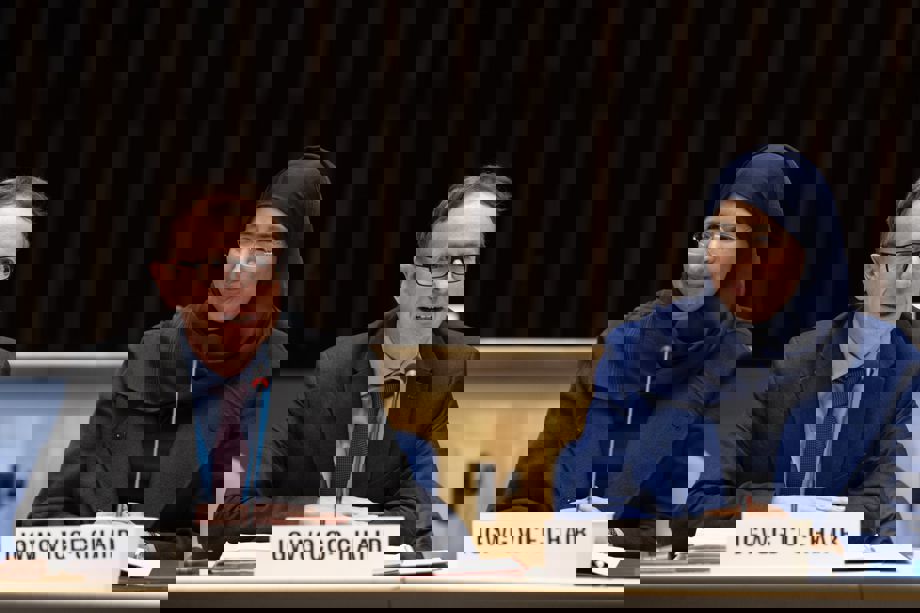
After two prior meetings where rumors circulated, a developed-country negotiator formally presented this hybrid plan to developing countries. This proposal combines elements of mandatory and voluntary participation for sharing pathogen data and resulting benefits. For instance, some biological material would fall under specific terms within the PABS system, while other material would have no such conditions.
However, this approach faces opposition. Malaysia’s Minister Counsellor for Health, Nurhafiza Hamza, stated that developing nations seek mandatory benefit-sharing from manufacturers during health emergencies. She emphasized the importance of guaranteed sharing of VTDs rather than optional arrangements. Pakistan’s First Secretary, Adeel Mumtaz Khokhar, characterized the hybrid proposal as largely maintaining the existing status quo, allowing parties to share as they choose.
Despite this specific sticking point, significant progress has occurred. Brazil’s Counsellor Jean Karydakis reported that roughly 90% of the broader Pandemic Agreement text has already been agreed upon and adopted. The PABS system, however, remains a key unresolved element, impacting the global framework for future pandemic responses.
The divergence between mandatory and voluntary sharing models has direct implications for global health equity. Developing countries, recalling issues like the hoarding of scarce vaccines during COVID-19, aim to prevent a repeat of unequal access to life-saving tools. Their demand for mandatory benefit-sharing seeks to establish firm obligations for manufacturers and nations during crises. The hybrid proposal, while offering some structure, raises concerns among developing countries that it may not fundamentally alter existing disparities. Future negotiations will determine if a consensus can bridge these differing approaches to ensure a more equitable global response to emerging health threats.
Continue reading
More in this thread
Welsh Health Spotlight: Melanoma Risks, Brain Sag Symptoms, and SMA Diagnosis Gaps
Dr. Priya Sharma
Heroic rescues and a poison plot dominate Welsh news: baby saved from fire, teen steers car after mum faints, man admits lethal chemical attacks
Dr. Priya Sharma
BU Psychiatrist Mathilde Ross Challenges Youth Mental Health Doom Narratives
Dr. Priya Sharma
Conversation
Reader notes
Loading comments...