Delta CEO Rejects 'Artificial Intelligence' Label, Calls It 'Augmented Intelligence' to Ease Worker Fears
Delta CEO Ed Bastian renames 'artificial intelligence' to 'augmented intelligence' to calm employee fears. The airline plans to enhance, not replace, its workforce.
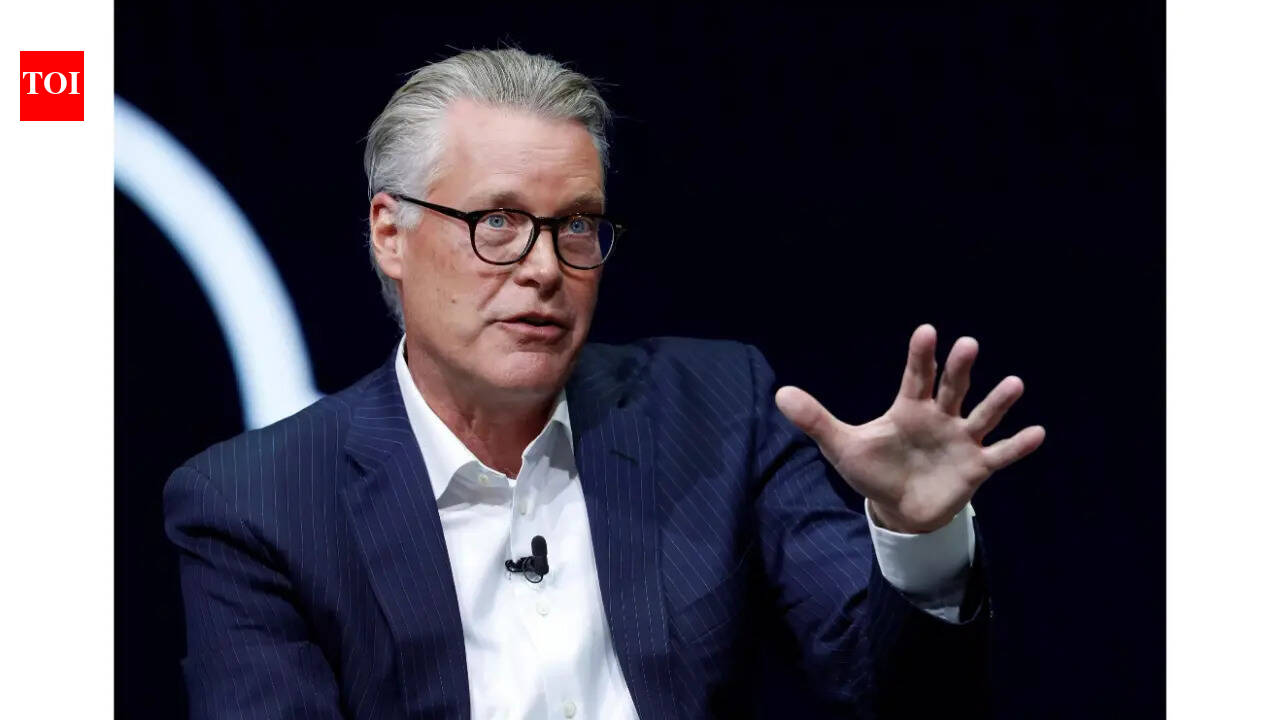
Delta Air Lines CEO Ed Bastian advocates for renaming "artificial intelligence" to "augmented intelligence," aiming to alleviate employee concerns about job security. This move reflects a strategic focus on integrating technology as a tool to enhance human capability, not replace it within the workforce.
Delta Air Lines CEO Ed Bastian stated that labeling advanced technology "artificial intelligence" is a mistake, directly contributing to employee fears regarding job displacement. "You want to scare people? Tell them that artificial intelligence is coming for you," Bastian noted, explaining his view that the term itself suggests replacement. He prefers "augmented intelligence," positioning these technologies as tools designed to support and enhance human work, not to supplant it. This rephrasing aims to foster acceptance and collaboration between employees and new digital tools.
Bastian emphasized that Delta plans no headcount reductions due to technological adoption. Instead, the airline will redeploy employees whose tasks become automated into new customer-facing roles, maintaining a human-centric service model. This approach aligns with Delta's significant investment in its workforce, evidenced by the $1.3 billion distributed to frontline staff this year through its profit-sharing program. The airline intends for technology to enable employees to perform their jobs better, enhancing rather than replacing their efforts across operations.
The CEO also highlighted broader industry pressures impacting operational costs. Fuel prices recently doubled within a single month, for instance, significantly challenging airline economics. Geopolitical uncertainties further complicate the landscape, with global conflicts and trade issues affecting demand and operational stability. Bastian stated that carriers will need to reorganize to survive amidst these pressures, stressing the importance of financial stability.
Delta's preference for "augmented intelligence" signals a deliberate strategy to manage technological integration with a focus on employee retention and morale. The airline aims to build a "fortress balance sheet" to prepare for future disruptions, ensuring stability in a volatile market. While automation may shift job responsibilities, the human element remains central, especially in customer service and critical operational roles like piloting aircraft. Bastian affirmed that passengers will not see pilots replaced by AI. The aviation sector will likely observe if this redefinition of AI gains traction among other carriers facing similar workforce anxieties and evolving technological landscapes. Companies across industries grapple with communicating the role of technology; Delta's move offers one model for addressing worker apprehension.
Continue reading
More in this thread
Conversation
Reader notes
Loading comments...