DeepMind Opens Union Talks Amid Lawsuit and Gaza Combat AI Claims
DeepMind begins union talks with UK staff, faces lawsuit from Palestinian‑heritage researcher, and Israeli officials cite its cloud in Gaza combat.
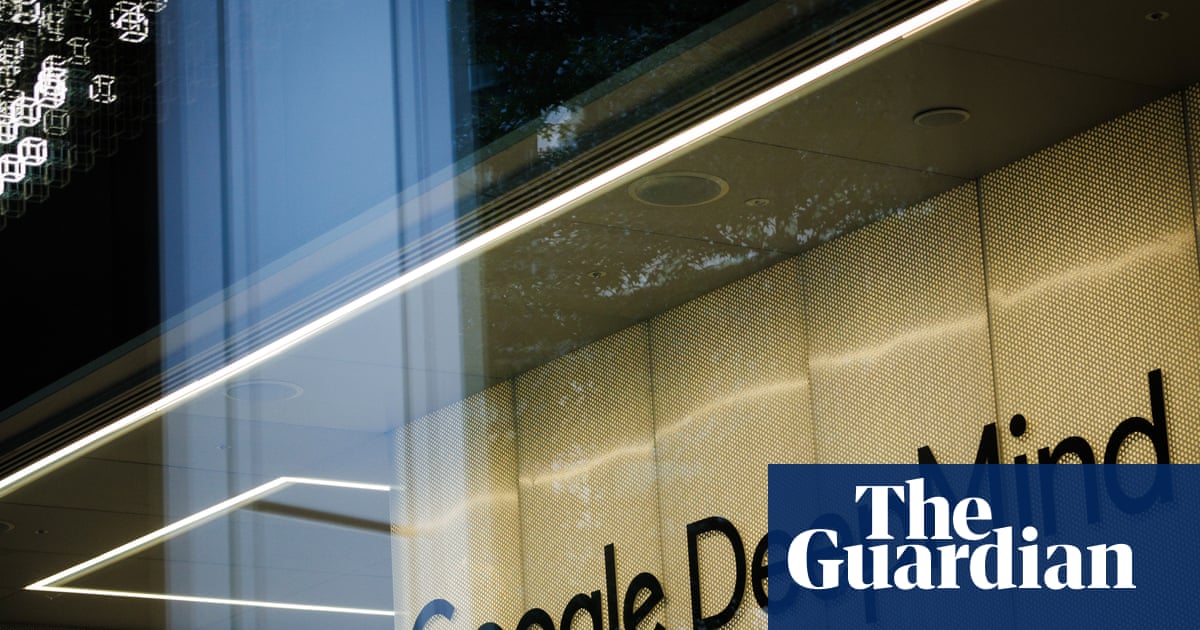
DeepMind has entered formal union talks with UK workers while facing a lawsuit from a Palestinian‑heritage researcher over alleged retaliation for protesting its AI work for Israel, and Israeli officials credit its cloud services for combat impact in Gaza.
The union drive started after hundreds of DeepMind employees in London voted to seek representation by the Communications Workers Union and Unite. Management declined voluntary recognition but agreed to meet via the Advisory, Conciliation and Arbitration Service, a step that could lead to a formal ballot in a few months. Staff have raised concerns about the company’s AI being used by US and Israeli defence and intelligence agencies, especially after DeepMind dropped a 2025 pledge not to allow its technology in harmful weapons or surveillance that violates international norms.
A Palestinian‑heritage researcher at DeepMind has filed a claim against Google, saying he was wrongfully dismissed after protesting the firm’s AI contracts with the Israeli government. Google disputes the allegations and says his departure followed standard procedures. The researcher is a member of the United Tech and Allied Workers’ Union, a branch of the CWU.
Israeli officials have stated that Google’s cloud computing enabled “phenomenal things [to] happen in combat” during the Gaza conflict, highlighting the role of the tech giant’s infrastructure in military operations.
These developments show growing tension between DeepMind’s workforce, its commercial contracts, and ethical concerns over AI use in warfare. The outcome of the union ballot could set a precedent for tech sector organising in the UK, while the lawsuit may influence how companies handle employee dissent over government contracts. Observers will watch whether DeepMind revises its policies on military work or faces further legal challenges.
What to watch next: the scheduled Acas talks, the progress of the researcher’s lawsuit, and any shifts in DeepMind’s public stance on AI applications in defence and surveillance.
Continue reading
More in this thread
Conversation
Reader notes
Loading comments...