Decade‑Long Trial Finds Common Meniscus Surgery Harms Knee Health
A randomized trial shows partial meniscectomy worsens knee function and accelerates osteoarthritis, prompting calls to limit the procedure.
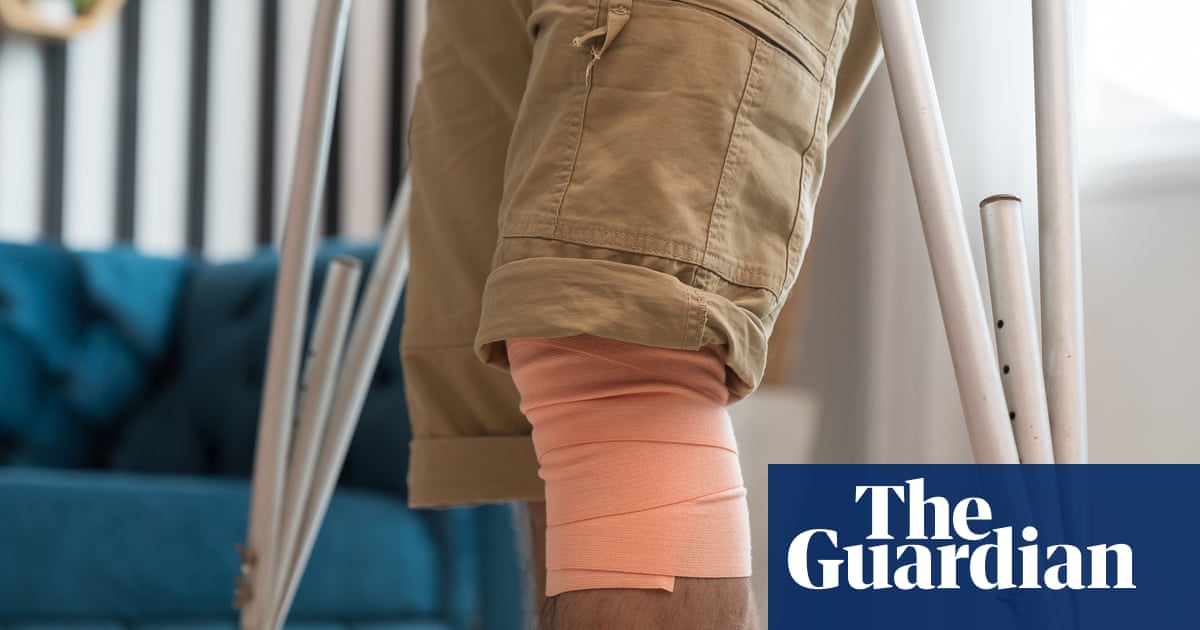
TL;DR
A ten‑year randomized trial found that partial meniscus removal leads to poorer knee function, faster osteoarthritis progression, and more repeat surgeries, sparking calls to halt the practice.
Context Partial meniscectomy – trimming frayed cartilage in the knee – has been one of the most frequent orthopaedic operations in the UK and elsewhere. The meniscus cushions the thigh bone (femur) and shin bone (tibia). MRI scans often reveal tears in asymptomatic people, yet surgeons have traditionally removed the damaged tissue to relieve pain and restore motion.
Key Facts The Finnish study enrolled 146 adults aged 35‑65 from five hospitals and randomly assigned them to either true meniscus surgery or a sham procedure that involved skin incisions but no tissue removal. After a decade of follow‑up, the surgery group scored lower on validated knee‑function tests, showed greater radiographic signs of osteoarthritis, and faced a higher rate of subsequent knee operations. The design – a randomized controlled trial – isolates the effect of the surgery from placebo and natural disease progression, establishing a causal link rather than a mere correlation.
Lead researcher Prof Teppo Järvinen described the outcome as a “medical reversal,” meaning a widely used therapy proved ineffective or harmful when rigorously tested. He noted that the procedure’s prevalence has already fallen from roughly 75 % of eligible patients to about 25 % following emerging evidence. British knee surgeon Mark Bowditch echoed the shift, citing updated guidelines that now recommend a six‑month watchful waiting period with physiotherapy before considering surgery.
What It Means For patients with meniscal tears, the findings suggest that immediate surgery may do more harm than good. Non‑operative management—rest, targeted physiotherapy, and activity modification—should be the first line of treatment, especially when pain is mild and there is no mechanical catching sensation. Those who experience a clear “locking” or catching in the joint may still benefit from surgery, but clinicians must weigh the modest chance of relief against the documented long‑term risks.
Healthcare providers and guideline committees are likely to tighten recommendations, potentially restricting reimbursement for routine meniscectomy. Patients should discuss the evidence with their surgeons and consider conservative options before consenting to an operation.
What to watch next Watch for updates from national orthopaedic societies as they revise protocols and for longer‑term data on alternative, non‑surgical interventions for meniscus tears.
Continue reading
More in this thread
Santa Clara County’s TRUST Program Faces Funding Cuts Despite 90% Stabilization Rate
Dr. Priya Sharma
HHS Scales Back AI Translation Safeguards as California Moves to Ban Unreviewed AI in Care
Dr. Priya Sharma
HHS eases AI translation oversight as California bill seeks to ban unreviewed AI in healthcare
Dr. Priya Sharma
Conversation
Reader notes
Loading comments...