Cuba’s Nightlife Falters as U.S. Oil Embargo Strangles Fuel and Tourism
Havana's once vibrant nightlife has gone quiet due to U.S. oil sanctions and severe fuel shortages. Tourism has plummeted, impacting daily life and the Cuban economy.
**TL;DR** Havana's once vibrant nightlife has fallen silent, directly impacted by U.S. economic sanctions and a severe fuel shortage. Tourism numbers have significantly dropped, leading to widespread economic hardship and a changed daily reality for Cubans.
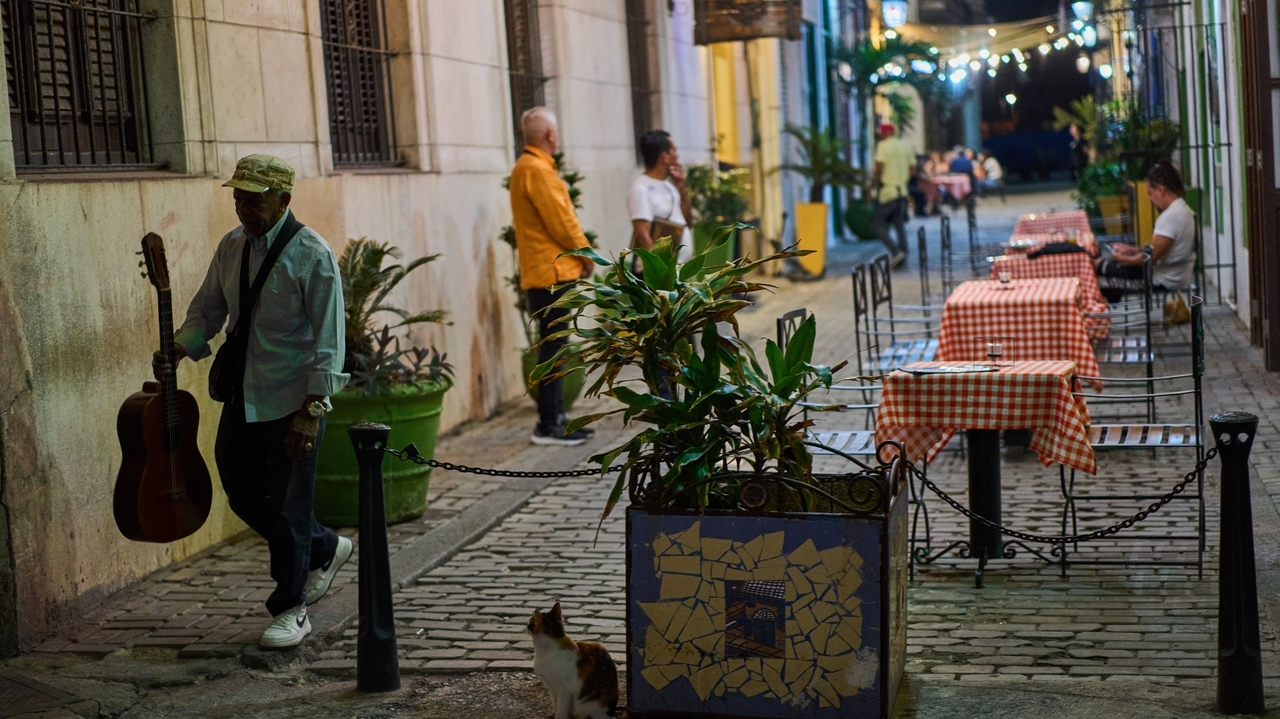
Havana's broad avenues now lie empty at night, a stark contrast to their once bustling past. This quiet descent follows an energy blockade, primarily an oil embargo imposed by the U.S. President Donald Trump administration, which has exacerbated Cuba's most severe economic crisis in decades. The measures have pulled the plug on the city's legendary nightlife, silencing theaters and emptying bars.
This current downturn reverses a period of growth observed after a 2016 agreement between then-Presidents Barack Obama and Raúl Castro eased U.S. travel restrictions. That accord led to a surge in tourism, with 4.7 million arrivals recorded in 2018, injecting money and vitality into the island's economy.
Today, the island faces critical shortages. Cuba recorded 77,600 tourist arrivals in February, a significant drop from 178,000 during the same month the previous year. This decline directly impacts businesses reliant on visitors.
Fuel scarcity further strangles daily life and commerce. Gasoline sales are capped at 20 liters per vehicle, forcing drivers to wait months for access to fuel. The lack of available jet fuel has also led international airlines, including Air France, Air Canada, and Iberia, to discontinue flights to Havana. Yusleydi Blanco, an accountant, expresses a widespread sentiment, stating she feels "empty inside when I see my streets empty" and cannot be happy "when my country is sad."
The severe fuel crisis and dwindling tourism have crippled local businesses and altered the rhythm of Cuban life. Public transportation, like bus services, now ceases operations at 6 p.m., further limiting mobility. The economic strain extends beyond nightlife, contributing to blackouts, cuts to state-run food rations, and shortages of water and medicine across the island.
Between 2021 and 2024, approximately 1.4 million Cubans, including many young professionals and entertainers who once animated Havana, left the island. This period of hardship has drawn comparisons to the "Special Period" of economic devastation following the Soviet Union's collapse in the 1990s.
The sustained U.S. sanctions, targeting Cuba's oil supply—including its primary source from Venezuela—continue to test the island's economic resilience. Future developments hinge on shifts in U.S. policy, the reliability of alternative oil supplies, and Cuba's ability to adapt its economy amidst these ongoing pressures.
Conversation
Reader notes
Loading comments...