Crisis Intervention Training Targets Mental Health Calls and Aims to Cut Use of Force in Jackson County
Jackson County's Crisis Intervention Training equips first responders to manage mental health calls, aiming to reduce force and incarceration rates.
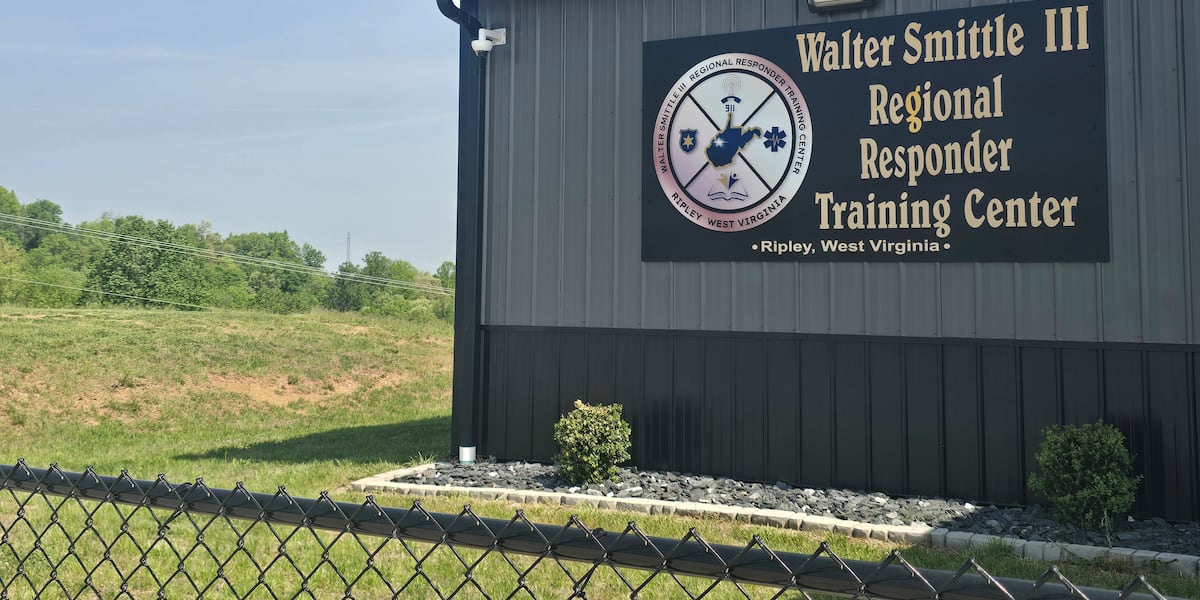
Jackson County expands Crisis Intervention Training (CIT) for first responders, aiming to improve responses to mental health emergencies and reduce instances of force. This 40-hour program focuses on de-escalation and inter-agency collaboration.
About 20% of all national dispatch calls involve a mental health crisis. To address this, first responders in Jackson County are undergoing specialized Crisis Intervention Training. This 40-hour course equips officers with de-escalation techniques and enhances their understanding of mental health and substance use disorders.
The program also prioritizes officer wellness. A core component involves building stronger relationships among law enforcement, behavioral health providers, and other professionals who frequently respond to the same incidents. This collaborative approach aims to streamline emergency responses and improve outcomes for individuals in crisis.
A primary benefit of this training is the improved coordination among various professionals. First responders, behavioral health providers, and peers in long-term recovery connect directly through the program. This network fosters a clearer understanding of each sector's roles and available services within the community.
Evidence suggests this training is associated with significant operational changes. Organizers report observed reductions in rates of use of force incidents and lower incarceration rates. These outcomes indicate a shift towards more therapeutic interventions during crisis situations.
This initiative provides practical tools for handling complex mental health calls. Responders learn to slow down, listen, and recognize underlying behavioral health issues, rather than immediately asserting control. This shift in approach aims to de-escalate situations effectively and ensure safer interactions for all involved.
For communities, the training translates into more individuals receiving appropriate care. The goal is to route those in crisis towards treatment and support services, rather than into the correctional system. Jackson County's continued focus on these partnerships could further improve crisis response systems.
Monitoring the long-term impact on community safety metrics and resource allocation will be crucial for evaluating the program's ongoing effectiveness.
Continue reading
More in this thread
FDA Grants Fast-Track Vouchers for Psychedelic Drugs as Trump Pushes Ibogaine Approval
Dr. Priya Sharma
Nigerian Resident Doctors Suspend Strike Over Allowance Agreements
Dr. Priya Sharma
Minnesota Senate Passes 21‑Plus Age Limit for Kratom, Sends Bill to Governor
Dr. Priya Sharma
Conversation
Reader notes
Loading comments...